
Brett Kavanaugh: Surprising Insights into a Supreme Court Justice
Discover lesser-known aspects of Brett Kavanaugh's life, from his athletic pursuits and family dedication to judicial milestones and early career highlights.
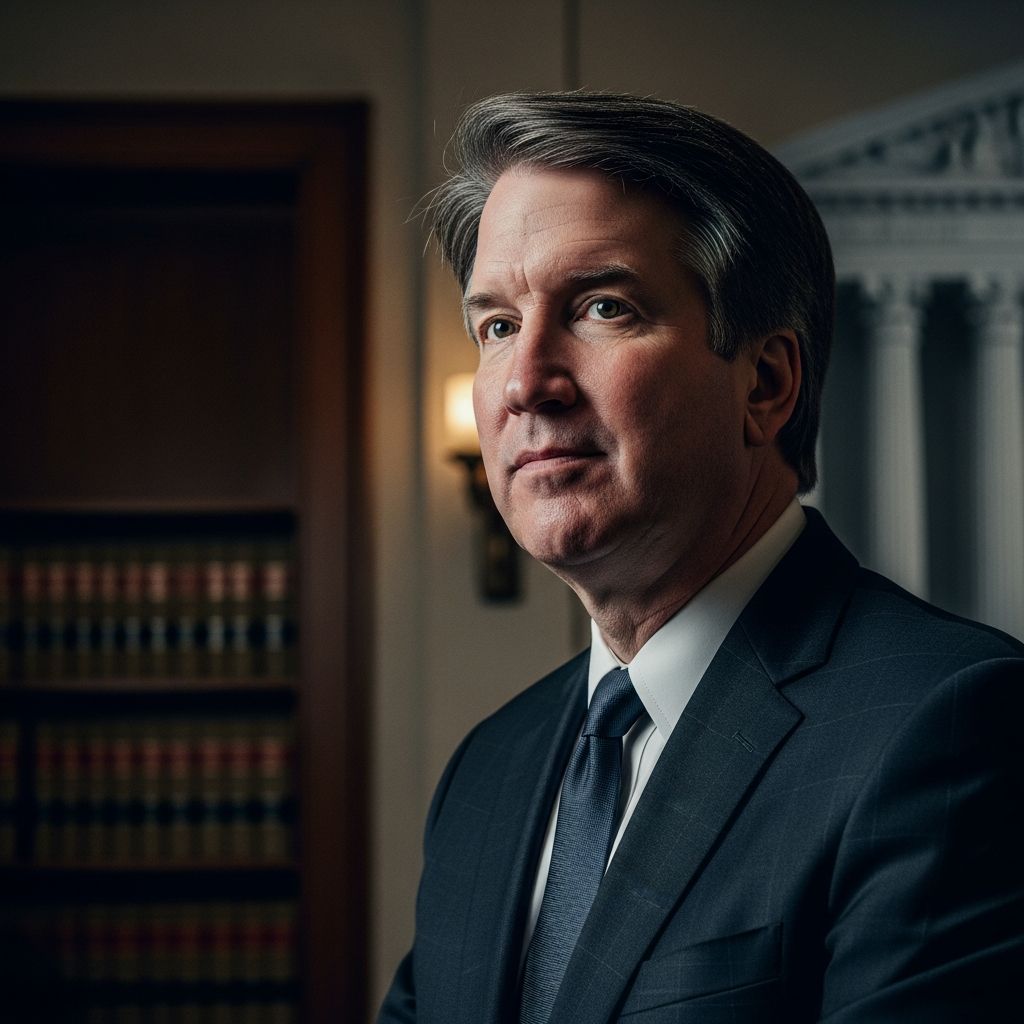
Brett Michael Kavanaugh, born on February 12, 1965, has been an Associate Justice of the U.S. Supreme Court since October 6, 2018, following his nomination by President Donald Trump on July 9, 2018. Before ascending to the nation’s highest court, he served as a judge on the U.S. Court of Appeals for the District of Columbia Circuit from 2006 to 2018. His career trajectory reflects a blend of legal scholarship, public service, and personal commitments that shaped one of the most scrutinized judicial appointments in modern history.
Elite Education and Early Foundations
Kavanaugh’s academic journey began at prestigious institutions, setting the stage for his distinguished legal career. He attended Georgetown Preparatory School, a renowned Jesuit college preparatory school in Bethesda, Maryland, where he developed a strong foundation in academics and athletics, particularly basketball. This private Catholic education emphasized discipline, ethics, and intellectual rigor, values that would later define his judicial philosophy.
From there, Kavanaugh advanced to Yale University, earning both his bachelor’s degree in 1987 and his Juris Doctor in 1990. At Yale, he excelled in his studies while continuing to engage in sports, playing basketball and fostering connections that would prove influential. Notably, he overlapped with future Justice Neil Gorsuch during clerkships at the Supreme Court, though in different chambers—Kavanaugh with Justice Anthony Kennedy and Gorsuch splitting time between Justices Byron White and Kennedy. Both alumni of Georgetown Prep, their paths crossed in ways that highlighted the interconnected world of elite legal circles.
These formative years at top-tier schools not only honed his analytical skills but also immersed him in environments that prized public service and conservative principles, influencing his later roles in high-profile legal battles.
Path Through High-Profile Legal Roles
Kavanaugh’s early professional life thrust him into the heart of Washington’s most contentious legal and political arenas. After law school, he clerked for Justice Anthony M. Kennedy on the Supreme Court during the 1993-1994 term, gaining invaluable insights into constitutional interpretation and judicial decision-making. This experience positioned him uniquely when President George W. Bush nominated him for higher roles.
One of his most notable early assignments was as a principal author of the Starr Report, the independent counsel Kenneth Starr’s investigation into President Bill Clinton’s conduct. Released in 1998, the report detailed allegations leading to Clinton’s impeachment proceedings, marking Kavanaugh as a key player in a defining political scandal. Critics later pointed to this as evidence of partisan involvement, yet supporters viewed it as diligent enforcement of the rule of law.
Following this, Kavanaugh served as a senior aide in the George W. Bush White House, contributing to policy on national security, including post-9/11 issues like the Victims Compensation Fund and executive privilege claims. His involvement in the Florida recount during the 2000 election further underscored his role in pivotal moments. In 2003, Bush nominated him to the D.C. Circuit—a court often called the second most important in the nation—but confirmation stalled for three years amid partisan battles, finally succeeding in 2006 after intense Senate scrutiny.
Athletic Pursuits and Physical Discipline
Beyond the courtroom, Kavanaugh maintains a rigorous commitment to physical fitness, exemplified by his participation in the demanding Boston Marathon. An avid runner, he completed the iconic 26.2-mile race twice in the last decade of his pre-Supreme Court life, notably finishing in under four hours in 2010. This achievement highlights not only endurance but also a disciplined lifestyle that balances intense professional demands with personal health goals.
His athletic background extends to basketball, where he played during high school and college. Today, he coaches his daughter’s Catholic Youth Organization (CYO) basketball team, instilling teamwork and perseverance in young players. These pursuits reveal a judge who values holistic well-being, often rising early for runs before long judicial days—a habit that underscores his stamina for the rigors of appellate judging.
Commitment to Family and Community Service
Family forms the cornerstone of Kavanaugh’s personal life. Married to Ashley Estes Kavanaugh since 2004, they have two daughters, Liza and Margaret. Ashley, a former White House aide, shares a partnership rooted in public service. Kavanaugh’s mother, Martha Kavanaugh, a former Maryland state court judge, inspired his judicial aspirations, embedding law in the family legacy—his father, Edward, was a lawyer.
- Volunteering Efforts: Regularly serves meals to the homeless, demonstrating compassion for vulnerable populations.
- Educational Outreach: Tutors elementary school students, contributing to youth development outside his professional duties.
- Coaching Role: Leads his daughter’s basketball team, prioritizing family involvement in community sports.
These activities paint a picture of a devoted family man and civic participant, countering narratives focused solely on his legal controversies.
Judicial Record and Supreme Court Influence
On the D.C. Circuit, Kavanaugh authored over 300 opinions, earning acclaim for clarity and thoroughness. Remarkably, the Supreme Court adopted his positions in at least 13 cases, including nine dissents—a testament to his foresight on issues like the Appointments Clause and separation of powers.
| Key Judicial Theme | Examples of Influence | Supreme Court Alignment |
|---|---|---|
| Separation of Powers | D.C. Circuit dissents on executive authority | Adopted in 9 cases |
| Appointments Clause | Challenges to agency structures | Multiple affirmations |
| National Security | Post-9/11 litigation | Key precedents upheld |
His nomination to replace retiring Justice Kennedy in 2018 capped a career of consistent conservative jurisprudence, though it sparked debates over his views on presidential immunity, healthcare, and net neutrality.
Navigating Confirmation Challenges
Kavanaugh’s Supreme Court confirmation was among the most contentious, lasting from July to October 2018. It faced opposition over his Bush-era roles, perceived partisanship, and allegations of misconduct, which he vehemently denied. Despite filibuster threats and extended hearings, he was confirmed 50-48, reflecting deep national divisions.
Groups like the Heritage Foundation endorsed him, aligning with goals on education and healthcare, while critics highlighted risks to Affordable Care Act protections based on prior dissents.
Life on the Supreme Court
Since joining the Court, Kavanaugh has participated in landmark decisions, maintaining a workload averaging 80-100 opinions annually in his circuit days. His approach emphasizes textualism and originalism, influencing cases on administrative law and individual rights.
Personally, he continues coaching, running, and volunteering, adapting to the Court’s demands while preserving family traditions like Sunday basketball games.
Frequently Asked Questions (FAQs)
What schools did Brett Kavanaugh attend?
He graduated from Georgetown Preparatory School and Yale University, earning both undergraduate and law degrees there.
Has Kavanaugh run marathons?
Yes, he completed the Boston Marathon twice, including a sub-four-hour finish in 2010.
What was Kavanaugh’s role in the Starr investigation?
He was a principal author of the Starr Report on President Clinton’s impeachment proceedings.
How long did his D.C. Circuit nomination take?
Nominated in 2003, he was confirmed in 2006 after a three-year delay.
Does Kavanaugh volunteer in his community?
Yes, he serves meals to the homeless, tutors children, and coaches youth basketball.
Legacy and Ongoing Impact
Kavanaugh’s tenure continues to shape American jurisprudence, with his background offering a lens into the personal dimensions of judicial service. From elite schooling to marathon finishes, his story blends rigor, resilience, and relatability. As debates over his rulings persist, these insights humanize a pivotal figure on the Supreme Court, reminding us of the diverse paths to judicial greatness.
(Word count: 1678)
References
- Brett Kavanaugh – Wikipedia — Wikipedia. 2023-10-01. https://en.wikipedia.org/wiki/Brett_Kavanaugh
- 8 Things You Didn’t Know About Brett Kavanaugh — Judicial Network. 2018-07-10. https://judicialnetwork.com/uncategorized/8-things-you-didnt-know-about-brett-kavanaugh/
- 6 Degrees of Brett Kavanaugh: Fast Facts About the Newest SCOTUS Nominee — Ogletree Deakins. 2018-07-10. https://ogletree.com/insights-resources/blog-posts/6-degrees-of-brett-kavanaugh-fast-facts-about-the-newest-scotus-nominee/
- Five Facts You Need to Know About Supreme Court Nominee Brett Kavanaugh — National Education Association. 2018-07-11. https://www.nea.org/nea-today/all-news-articles/five-facts-you-need-know-about-supreme-court-nominee-brett-kavanaugh
- Facts – Brett Kavanaugh — Confirm Kavanaugh. 2018-09-01. https://confirmkavanaugh.com/facts/
- 4 things to know about Brett Kavanaugh, Trump’s Supreme Court nominee — The U.S. Constitution. 2018-07-10. https://www.theusconstitution.org/news/4-things-to-know-about-brett-kavanaugh-trumps-supreme-court-nominee/
Similar Articles








Read full bio of medha deb




