
Asylum Policies and the Threat to Maternal Health
How restrictive border policies and immigration deterrence tactics endanger the lives of pregnant asylum seekers.
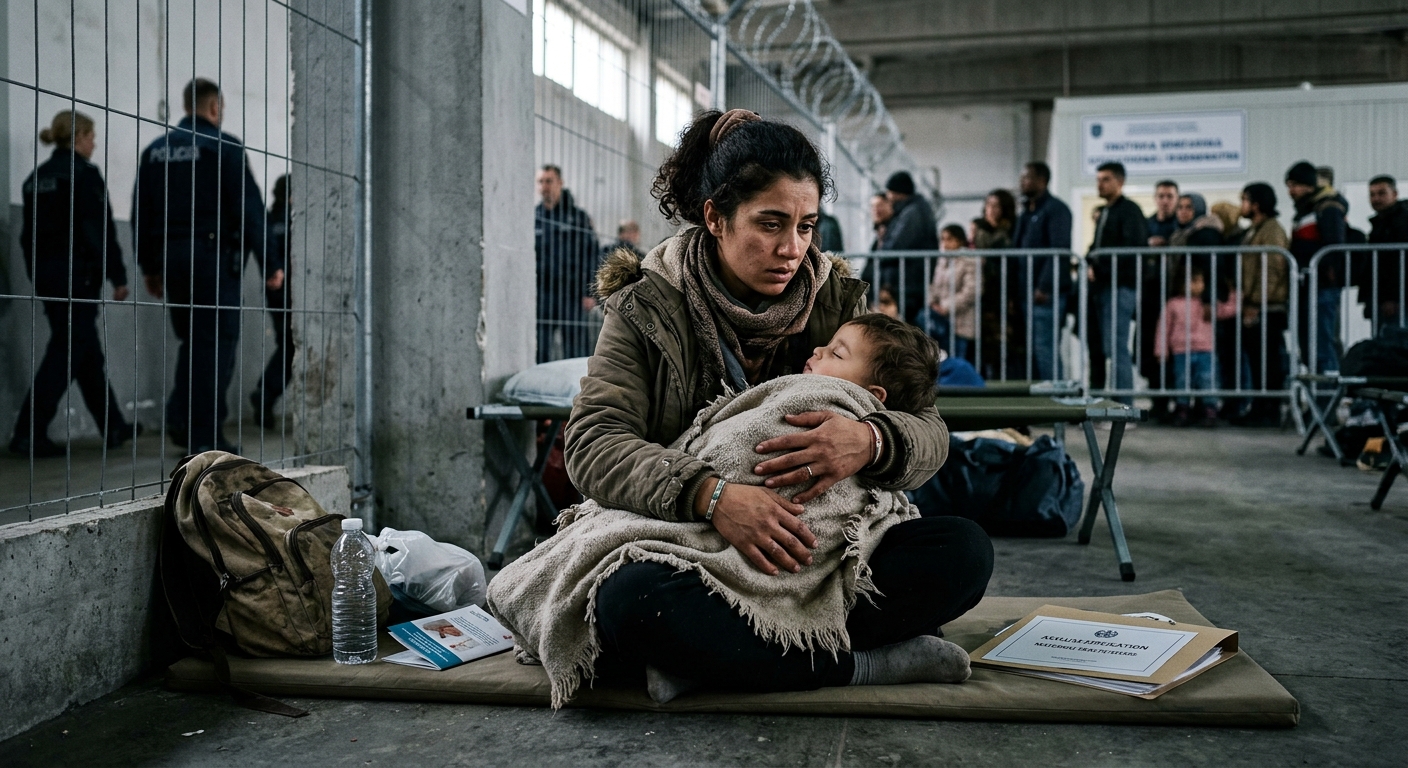
The intersection of immigration enforcement and public health has long been a focal point of intense global scrutiny. However, amidst the sprawling discourse on border security and national sovereignty, a profound humanitarian crisis often remains obscured: the severe endangerment of pregnant asylum seekers. Over recent years, stringent immigration frameworks designed to deter unlawful entry have fundamentally altered the asylum-seeking process, transforming it into a gauntlet of physiological and psychological hazards. At the heart of this issue are policies that mandate migrants to wait outside a destination country’s borders while their legal claims are adjudicated. By effectively stranding highly vulnerable individuals in resource-deprived environments, these legislative mechanisms have catalyzed a cascade of maternal health emergencies.
Understanding the gravity of this situation requires a deep dive into the structural nature of these border policies, the alarming gap between official guidelines and actual field enforcement, and the devastating biological toll exacted upon expectant mothers navigating the modern asylum system. As global displacement reaches record highs due to political instability and systemic violence, the demographic of those arriving at borders has shifted significantly to include highly vulnerable family units, necessitating an urgent reevaluation of how medical fragility is handled at international ports of entry.
The Architecture of Border Deterrence
To comprehend the peril faced by pregnant migrants, one must first examine the architecture of contemporary border deterrence strategies. Policies such as the Migrant Protection Protocols (MPP)—colloquially referred to as the “Remain in Mexico” program—represent a paradigm shift in immigration enforcement. Historically, individuals seeking asylum at the United States border who passed an initial credible fear screening were often paroled into the country to await their immigration court hearings. This allowed them critical access to domestic support networks, charitable organizations, and emergency medical care.
The introduction of strict extraterritorial wait policies dismantled this precedent by requiring tens of thousands of asylum seekers to wait in border cities of neighboring countries for the duration of their immigration proceedings. While the stated objective of such programs was to alleviate overcrowding in domestic detention facilities and deter undocumented migration, the practical execution of the policy outsourced a massive humanitarian burden to municipalities that were entirely ill-equipped to handle vast influxes of displaced persons. For a healthy adult, this policy introduces significant hardship. For a pregnant asylum seeker, it transforms an already arduous legal process into a potentially fatal ordeal, immediately cutting off critical access to prenatal care and exposing them to the extreme volatility of border encampments.
The Disconnect Between Directives and Ground Realities
A critical failure of restrictive border policies lies in the stark disconnect between official government directives and their practical application by field enforcement agents. On paper, immigration authorities often embed humanitarian exemptions within their policy frameworks to prevent catastrophic outcomes. For instance, the guiding principles of extraterritorial wait programs explicitly stated that vulnerable populations should be exempt from being returned across the border. This exemption categorically included individuals with known physical or mental health issues. By any standard medical definition, a pregnant woman—especially one navigating the physical stress of forced migration—qualifies as a vulnerable individual requiring specialized, continuous care.
Despite these clear written exemptions, widespread systemic failures have been meticulously documented. Human rights observers, medical professionals, and legal advocates have consistently reported instances where visibly pregnant women, including those well into their third trimester, were subjected to these harsh deterrence protocols and returned to dangerous border towns. This enforcement gap is often attributed to the high-pressure environment of border processing facilities, a severe lack of comprehensive medical training among border enforcement agents, and a prevailing institutional culture of deterrence that systematically deprioritizes individual medical vulnerability. The grim consequence is that the very safeguards designed to protect maternal health are routinely bypassed, leaving expectant mothers entirely unprotected by the institutional rules written to save them.
Environmental and Clinical Perils in Border Encampments
When pregnant asylum seekers are expelled to wait in border cities, they are typically forced into makeshift encampments, overcrowded municipal shelters, or abandoned structures. These precarious environments present a multitude of environmental and clinical perils that directly threaten both maternal and fetal survival on a daily basis.
Firstly, the lack of basic sanitation and clean running water in these encampments is a dire medical hazard. Pregnant individuals require substantially increased hydration and are highly susceptible to urinary tract infections (UTIs) and bacterial vaginosis. In a clean, stable environment with medical access, these are easily treatable conditions. However, in border camps lacking proper sanitation, untreated UTIs frequently escalate into severe kidney infections, which are a leading cause of premature labor, neonatal mortality, and maternal sepsis.
Secondly, the nutritional deficits prevalent in these environments are profound. Proper fetal development relies heavily on a consistent intake of essential macronutrients and micronutrients, such as folic acid, iron, and calcium. The erratic and often inadequate food supplies in refugee encampments inevitably lead to severe maternal anemia, drastically increasing the risk of postpartum hemorrhage—one of the leading causes of maternal death globally.
Furthermore, the geographic locations of these encampments are heavily localized in regions plagued by organized crime and cartel violence. Migrants are actively targeted for extortion, kidnapping, and human trafficking. For pregnant women, the physical inability to run, hide, or defend themselves makes them exceptionally prime targets for violent exploitation. The chronic fear of assault, combined with the lack of secure shelter, creates a perpetual state of hypervigilance that carries severe biological consequences.
The Physiological and Psychological Toll
The human body is an incredibly resilient biological system, but it is fundamentally not designed to sustain the profound demands of pregnancy under conditions of relentless trauma, extreme weather exposure, and systemic deprivation. The physiological and psychological toll on pregnant asylum seekers trapped in border limbo is comprehensive and heavily documented by public health researchers. The specific medical risks include:
- Allostatic Overload: Chronic exposure to extreme environmental and emotional stress causes the prolonged release of cortisol and adrenaline. High maternal cortisol levels can readily cross the placental barrier, leading to altered fetal brain development, restricted fetal growth, and an increased likelihood of long-term neurodevelopmental disorders in the child.
- High Rates of Miscarriage: The brutal combination of physical exhaustion from the migration journey, sustained malnutrition, and acute psychological trauma creates a hostile physiological environment that drastically elevates the rate of spontaneous abortions among asylum-seeking populations.
- Pre-eclampsia and Hypertension: The chronic anxiety and dietary instability common in border camps significantly increase the risk of pregnancy-induced hypertension and pre-eclampsia. Without routine blood pressure monitoring and urinalysis—which are cornerstones of standard prenatal care—these conditions can rapidly progress to eclampsia, seizures, and maternal death.
- Psychological Trauma: Many pregnant migrants are fleeing systemic violence or severe domestic abuse in their home countries. Being subjected to further violence and deep insecurity at the border compounds this trauma, leading to astronomical rates of post-traumatic stress disorder (PTSD), severe prenatal anxiety, and debilitating postpartum depression.
Conflicts with International Health and Human Rights Standards
The routine endangerment of pregnant asylum seekers through restrictive border policies sits in direct opposition to long-established international human rights and global health standards. The United Nations and the World Health Organization (WHO) have long established that pregnant refugees constitute a highly vulnerable group requiring prioritized medical protection and immediate access to comprehensive maternal healthcare services.
Under international human rights frameworks, sovereign states have a fundamental, non-negotiable obligation to protect the right to life and the right to health. By implementing policies that deliberately push pregnant women into conditions where they are systematically denied basic medical care and exposed to targeted violence, enforcing nations run perilously close to violating the principle of non-refoulement. This is the foundational practice of not forcing refugees or asylum seekers to return to a country or territory where they are liable to be subjected to persecution or severe danger. While modern border policies technically return migrants to transit countries rather than their origin countries, the functional lack of physical safety and medical infrastructure in these transit zones effectively achieves the exact same life-threatening outcome, breaching the core spirit of international humanitarian law.
Strategic Pathways Forward: Reforming Border Health Practices
Addressing this humanitarian crisis requires a fundamental realignment of border enforcement policies with evidence-based public health protocols. Legislative and administrative reforms must inherently prioritize human dignity and maternal safety over blanket deterrence strategies. Ensuring that no life is lost to administrative bureaucracy is paramount.
| Current Restrictive Practices | Proposed Humanitarian Reforms |
|---|---|
| Pregnant individuals are routinely subjected to extraterritorial wait policies and returned to transit borders. | Categorical, unchallengeable exemptions for all pregnant asylum seekers from any deterrence wait policies. |
| Medical screening is often conducted rapidly by non-medical law enforcement personnel. | Mandatory, independent medical evaluations by licensed healthcare professionals immediately upon apprehension. |
| Limited or no access to continuous prenatal care while waiting in transit countries. | Immediate humanitarian parole into the destination country to connect expectant mothers with public health clinics. |
| Reliance on temporary border encampments lacking basic sanitation, nutrition, and security. | Partnerships with domestic NGOs and community-based organizations to provide safe, stable housing during the asylum process. |
Transitioning from an enforcement-first model to a trauma-informed, health-centric model is not merely a matter of legal compliance; it is a fundamental moral imperative. A just society must ensure that the desperate pursuit of asylum does not cost a mother her life or the life of her unborn child.
Frequently Asked Questions (FAQ)
What are the Migrant Protection Protocols (MPP)?
The Migrant Protection Protocols, commonly known in policy circles as the “Remain in Mexico” policy, was a significant government initiative that required certain asylum seekers arriving at the southern border to wait in Mexico for the duration of their immigration court proceedings, rather than being paroled to wait safely inside the destination country.
Are pregnant women legally supposed to be exempt from restrictive border policies?
Yes, officially. The guiding documents for deterrence programs explicitly state that individuals with known physical or mental health issues, which medically includes pregnant women, should be exempt and allowed to wait in a safe environment. However, widespread human rights investigations have repeatedly shown that these critical exemptions are frequently ignored or misapplied by field agents.
Why are border encampments particularly dangerous for maternal health?
Border encampments often lack basic survival infrastructure, meaning there is no clean running water, proper sanitation, or reliable food sources. This exposes pregnant individuals to severe risks like profound malnutrition, dehydration, and potentially fatal infections. Furthermore, these camps are often located in geographic areas with high crime rates, making migrants incredibly vulnerable to kidnapping and physical assault.
How does the stress of seeking asylum affect fetal development?
Extreme and prolonged stress leads to a physiological condition known as allostatic overload, where the body constantly produces high levels of cortisol. When sustained over weeks or months, this stress hormone crosses the placenta and can result in restricted fetal growth, premature birth, and long-term neurodevelopmental issues for the child.
References
- “We Can’t Help You Here”: US Returns of Asylum Seekers to Mexico — Human Rights Watch. 2019-07-02. https://www.hrw.org/report/2019/07/02/we-cant-help-you-here/us-returns-asylum-seekers-mexico
- Reproductive Injustice at the US Border — National Institutes of Health (PMC). 2021-02-18. https://www.ncbi.nlm.nih.gov/pmc/articles/PMC8018311/
- Explanation of the Decision to Terminate the Migrant Protection Protocols — Department of Homeland Security. 2021-10-29. https://www.dhs.gov/sites/default/files/2022-01/21_1029_mpp-termination-justification-memo-508.pdf
- Improving the health care of pregnant refugee and migrant women and newborn children — World Health Organization (WHO). 2018-01-01. https://iris.who.int/handle/10665/342273
Similar Articles








Read full bio of Sneha Tete


