
Birth Injury Malpractice: What To Do And How To Prove It
Understand birth injury malpractice: negligence in childbirth, proving claims, common errors, and compensation options for affected families.
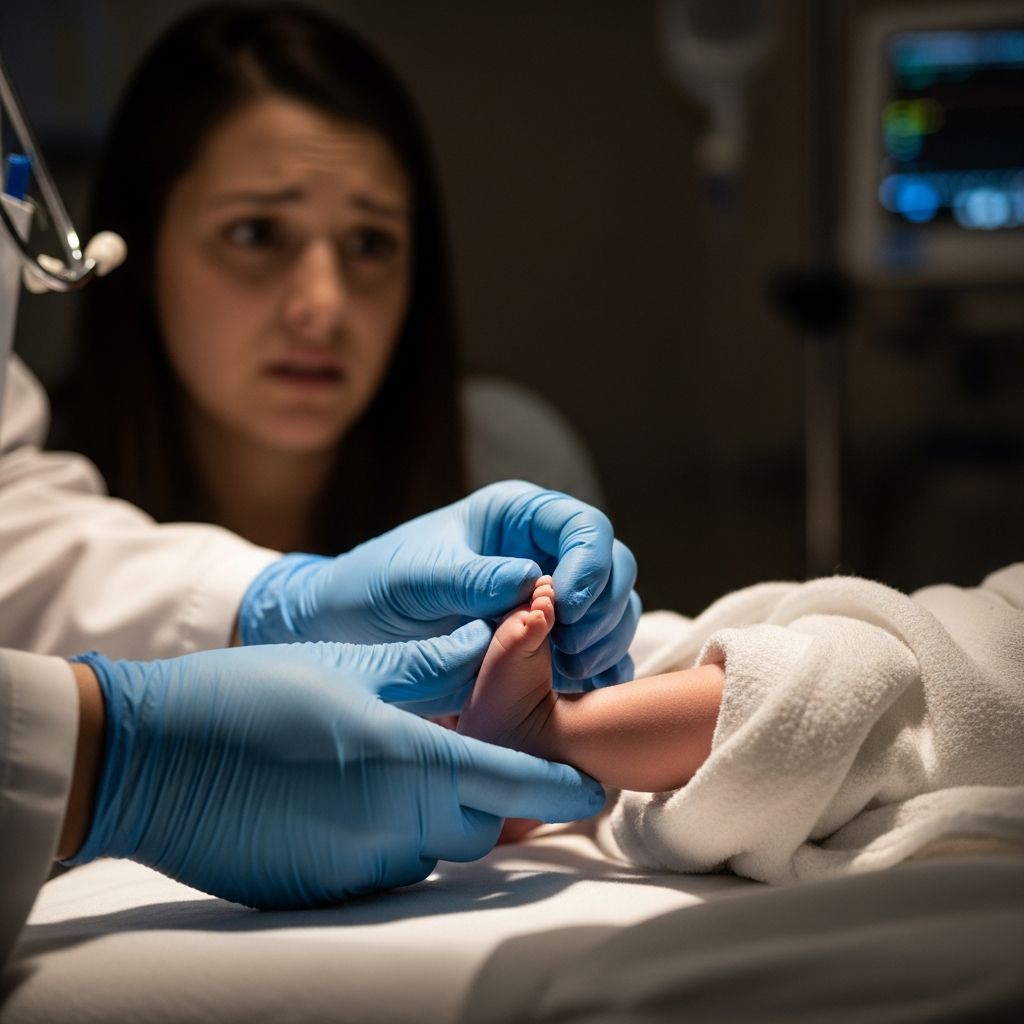
Birth injury malpractice arises when healthcare professionals deviate from standard care during pregnancy, labor, delivery, or postpartum, causing harm to the newborn or mother. These cases demand proving negligence led directly to preventable damage, distinguishing them from natural birth risks.
Defining Negligence in Childbirth
Negligence in childbirth occurs when providers fail to meet accepted medical standards, resulting in avoidable injuries. This includes lapses in monitoring, improper interventions, or delayed responses to distress signals. Unlike unavoidable complications, malpractice requires evidence of substandard actions or omissions.
Healthcare teams owe a duty of care to patients, encompassing prenatal visits, labor oversight, and immediate postnatal assessments. Breaching this duty—through oversight or error—can trigger lifelong consequences for infants, such as neurological impairments or physical disabilities.
Core Elements of a Malpractice Claim
To succeed in a birth injury lawsuit, plaintiffs must establish four key elements:
- Duty of Care: Providers must deliver competent care to mother and child throughout perinatal stages.
- Breach of Duty: Actions or inactions fall below what a reasonable professional would do.
- Causation: The breach directly causes the injury, not unrelated factors.
- Damages: Verifiable harm, including medical costs, lost wages, and pain.
These criteria form the foundation, requiring medical records, witness accounts, and expert analysis to substantiate.
Common Errors During Prenatal Care
Prenatal negligence often stems from missed diagnoses or inadequate management of maternal health issues. Providers must screen for conditions like gestational diabetes or hypertension, which can escalate during delivery.
- Failure to identify infections or placental problems.
- Inadequate ultrasound monitoring for growth restrictions.
- Overlooking genetic risks or Rh incompatibilities.
Such oversights can lead to preterm labor or oxygen deprivation, heightening injury risks.
Critical Mistakes in Labor and Delivery
Labor demands vigilant monitoring of fetal heart rates and maternal vitals. Deviations here frequently underpin malpractice claims.
| Error Type | Description | Potential Impact |
|---|---|---|
| Delayed C-Section | Ignoring signs of fetal distress prolongs oxygen deprivation. | Brain damage, cerebral palsy. |
| Forceps/Vacuum Misuse | Excessive force on head or neck during extraction. | Skull fractures, brachial plexus injuries. |
| Pitocin Overdose | Hyperstimulation of contractions without monitoring. | Uterine rupture, fetal hypoxia. |
| Failure to Monitor | Ignored heart rate decelerations or meconium passage. | Hypoxic-ischemic encephalopathy (HIE). |
These interventions, when mishandled, transform routine deliveries into traumatic events.
Frequently Overlooked Postnatal Negligence
After birth, vigilance prevents secondary injuries. Delays in treating jaundice (leading to kernicterus) or respiratory distress can cause permanent harm. Medication errors in the nursery, like incorrect antibiotics, compound risks.
Neonatal intensive care units (NICUs) see claims from staffing shortages or protocol violations, emphasizing the continuum of care post-delivery.
Prevalent Injuries Linked to Malpractice
Injuries vary in severity but share origins in oxygen loss, trauma, or infection:
- Cerebral Palsy: Motor disorders from brain damage due to prolonged distress.
- Erb’s Palsy: Nerve damage in shoulders from pulling during delivery.
- HIE: Oxygen-starved brain tissue causing developmental delays.
- Skull Fractures/Brachial Plexus Tears: From instrument trauma.
- Kernicterus: Bilirubin buildup untreated, leading to hearing loss and movement issues.
Not all instances prove malpractice; expert review differentiates negligence from inevitability.
Proving Your Case: Evidence and Experts
Building a claim starts with securing comprehensive medical records, including fetal monitoring strips and delivery notes. Expert witnesses—typically obstetricians or neonatologists—testify on standard deviations.
Independent investigations reconstruct timelines, isolating negligence amid complex births. Causation challenges persist, as multiple factors may contribute, necessitating precise linkage.
Compensation: What Families Can Recover
Successful claims address extensive needs:
- Lifetime medical and therapy expenses.
- Adaptive equipment and home modifications.
- Lost earning capacity for the child.
- Parental emotional distress and lost wages.
Awards vary by jurisdiction and injury gravity, often reaching millions for severe cases. Structured settlements ensure long-term funding.
Navigating Statutes of Limitations
Time bars claims strictly; most states impose 1-3 years from discovery, with child extensions to age 18 or beyond. Prompt consultation preserves options, as evidence degrades.
Who Bears Liability?
Responsibility spans doctors, nurses, hospitals, and anesthesiologists. Hospitals face vicarious liability for staff errors or systemic failures like understaffing. Multiple defendants complicate but strengthen cases.
Frequently Asked Questions
Is every birth complication malpractice?
No. Many arise naturally; malpractice requires provable negligence deviating from standards.
How soon should I contact a lawyer after a birth injury?
Immediately. Statutes limit time, and early evidence collection boosts success.
Can hospitals be sued directly?
Yes, for policies enabling negligence or employee actions under respondeat superior.
What role do fetal monitors play in claims?
Strips showing ignored distress prove breach and causation.
Are settlements common in these cases?
Yes, most resolve pre-trial to avoid uncertainties, with experts guiding values.
Steps to Take After Suspecting Malpractice
1. Document all medical interactions and symptoms.
2. Seek second opinions from specialists.
3. Retain records without alterations.
4. Consult birth injury attorneys experienced in perinatology.
5. Prepare for thorough investigations.
These actions empower families, transforming grief into accountability.
References
- What Constitutes a Birth Injury Caused by Medical Malpractice? — Riscassi & Davis. 2025-02. https://www.riscassi-davis.com/blog/2025/february/what-constitutes-a-birth-injury-caused-by-medica/
- Liability and Birth Injuries — Haliczer Pettis & Schwamm, P.A. N/D. https://www.hpslegal.com/fort-lauderdale-medical-malpractice/fort-lauderdale-birth-injuries/liability-and-birth-injuries/
- What Counts as Birth Injury Malpractice? Protecting Your Newborn’s … — Brown Barron. 2025-02. https://www.brownbarron.com/blog/2025/february/what-counts-as-birth-injury-malpractice-protecti/
- Birth Injury Medical Malpractice — Birth Injury Center. N/D. https://birthinjurycenter.org/legal-aid/medical-malpractice/
- What constitutes medical negligence during childbirth? — Stalwart Law. N/D. https://stalwartlaw.com/what-constitutes-medical-negligence-during-childbirth/
- How Do I Know Medical Malpractice Caused My Child’s Birth Injury? — RFTM Law. 2024-06. https://www.rftmlaw.com/blog/2024/june/how-do-i-know-medical-malpractice-caused-my-chil/
Similar Articles








Read full bio of medha deb


