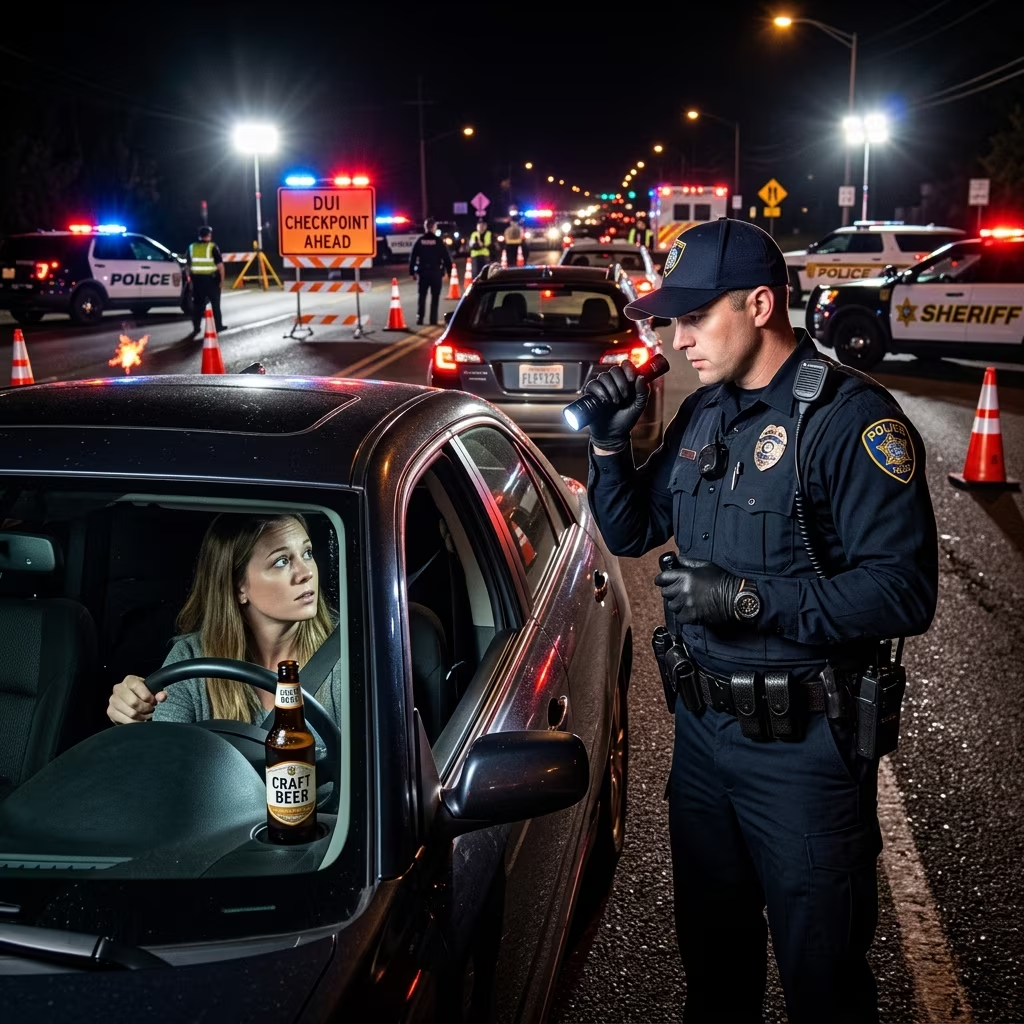
Stories about drivers casually sipping beer as they roll through a DUI checkpoint sound outrageous, but they help illuminate how impaired driving laws and police procedures work in real life. This article uses that kind of scenario as a springboard to explain what checkpoints are, why they exist, and what can happen if you mix alcohol, vehicles, and law enforcement.
Rather than retelling a specific incident, this guide focuses on the broader legal and safety issues: how checkpoints operate, what officers look for, the consequences of driving after drinking, and why trying to “prove” you can handle your liquor is both dangerous and legally costly.
Understanding DUI Checkpoints
DUI checkpoints—also called sobriety checkpoints—are temporary roadblocks where police stop vehicles to screen drivers for signs of impairment. In many U.S. states, these checkpoints are legally authorized to deter drunk and drug-impaired driving and to remove unsafe drivers from the road.
Why Police Use Checkpoints
Impaired driving remains a significant threat to public safety. National data from highway safety agencies show that alcohol-impaired drivers are involved in thousands of fatal crashes each year, making drunk driving a leading cause of traffic deaths.
Checkpoints serve several purposes:
- Deterrence: Publicizing checkpoints can discourage people from driving after drinking.
- Detection: Officers can identify impaired drivers who might otherwise go unnoticed.
- Enforcement: Police can arrest drivers who are over the legal limit or visibly unsafe behind the wheel.
- Education: Checkpoints often promote sober driving campaigns and connect people with resources for safer choices.
Basic Legal Framework
In the United States, the legality of sobriety checkpoints depends on state law and constitutional interpretation. Some states allow them, while others prohibit them under state constitutions. Where they are allowed, checkpoints typically must follow rules such as:
- Using a neutral pattern for stopping cars (for example, every vehicle or every third vehicle).
- Minimizing delays for drivers who are quickly cleared.
- Providing visible warning signs and marked police presence.
- Maintaining written procedures to prevent arbitrary stops.
These safeguards are designed to balance public safety with drivers’ constitutional rights.
Drinking While Driving: More Than Just DUI
Many people think the only issue is whether they are “over the limit,” but the law often cares about more than just blood alcohol concentration (BAC). Drinking from a beer can while driving through a checkpoint can raise multiple legal problems, even if the driver insists they are not drunk.
DUI vs. Open Container Laws
| Issue | What It Typically Means | Potential Consequences |
|---|---|---|
| DUI / DWI | Driving while impaired by alcohol or drugs, often measured by BAC at or above a legal threshold (commonly 0.08% for adults). | Criminal charges, fines, license suspension, possible jail, mandatory education or treatment. |
| Open container | Having an open alcoholic beverage in the passenger area of a vehicle, even if the driver claims not to be impaired. | Separate citations, fines, and in some jurisdictions evidence supporting a DUI investigation. |
| Reckless / unsafe driving | Driving in a way that shows disregard for safety, such as weaving, speeding, or erratic lane changes. | Tickets or charges independent of alcohol, points on the license, higher insurance costs. |
A driver actively drinking while approaching officers sends a strong signal that they may be impaired or at least exercising poor judgment, which can justify closer scrutiny.
Tolerance and Misjudging Impairment
Some drivers insist that they “feel fine” after several beers and that they can handle alcohol better than others. Research on alcohol tolerance shows that regular drinkers may not display the obvious signs of intoxication—such as slurred speech or stumbling—even when their ability to drive safely is significantly impaired.
Tolerance reduces visible symptoms, but it does not restore reaction time, judgment, or decision-making. In fact, this false sense of confidence can encourage risky behavior, like drinking in the driver’s seat or trying to show off at a checkpoint.
What Officers Look For at Checkpoints
At a DUI checkpoint, officers usually begin with a brief interaction, looking for clues that suggest impairment or other violations. They do not rely solely on breath tests; they often start with observation and conversation.
Common Signs of Impairment
Police are trained to monitor several indicators during the initial contact:
- Physical signs: Odor of alcohol, bloodshot or watery eyes, slurred speech, difficulty following simple instructions.
- Behavioral signs: Fumbling for a license, confusion about basic questions, delayed reactions, or unusual nervousness.
- Driving behavior: Drifting across lanes, failing to maintain speed, or abrupt braking before the checkpoint.
- Visible evidence: Open cans or bottles, coolers within reach, or other obvious signs of ongoing drinking.
If these signs are present, an officer may direct the driver to a separate screening area for further investigation, such as field sobriety tests or a preliminary breath test.
Cooperation and Communication
Officers typically ask for basic documents and may pose simple questions. How a driver responds can influence the course of the interaction:
- Producing license and registration promptly shows preparedness and reduces suspicion.
- Remaining calm and civil can help keep the stop brief and uneventful.
- Openly drinking or arguing about the right to do so is likely to invite more scrutiny and potential enforcement action.
The checkpoint process is designed to be quick for unimpaired drivers, but it becomes more thorough when there are reasons to suspect alcohol or drug use.
Legal Consequences of Drinking Through a Checkpoint
Driving while actively drinking, especially at a checkpoint, significantly increases the risk of legal trouble. Even drivers below the legal BAC limit may face penalties if their conduct violates other traffic or alcohol laws.
Possible Charges and Penalties
Depending on the jurisdiction and circumstances, a driver in this situation could face:
- DUI / DWI charges if testing shows a prohibited BAC or if the officer can demonstrate impairment.
- Open container violations for having or consuming alcohol in the driver’s area of the vehicle.
- License-related offenses such as driving with a suspended license or without proper registration and insurance.
- Additional traffic infractions if the driver was speeding, weaving, or breaking other road rules.
Penalties for impaired driving can include fines, mandatory education programs, ignition interlock requirements, license suspension, and in serious or repeated cases, jail time. These consequences are designed both to punish and to prevent future incidents.
Administrative vs. Criminal Consequences
Many drivers are surprised to learn that there can be separate administrative and criminal processes after a DUI arrest. For example:
- Administrative actions by licensing authorities may suspend driving privileges based on test results or refusals.
- Criminal cases in court determine guilt or innocence under DUI laws and can impose fines, probation, or incarceration.
Refusing certain tests can lead to automatic license consequences, even before a criminal case is resolved, because driver licensing systems often presume that refusal indicates impaired driving.
Risk Perception: “I’m Fine to Drive” vs. Reality
Many impaired driving cases begin with a simple misjudgment: the belief that one is still capable of safe driving after drinking. This misperception is reinforced by tolerance, social norms, and overconfidence.
The Psychology of Overconfidence
Drivers who drink frequently may develop routines that normalize risky behavior—having “just a few” beers before driving or keeping an open drink in the car. Over time, they may stop viewing these choices as dangerous. Yet research shows that even moderate alcohol consumption can slow reaction times and reduce the ability to process complex traffic situations.
The combination of reduced self-awareness and familiarity with drinking can produce scenarios where drivers genuinely believe they are safe, even while exhibiting clear signs of impairment.
Hidden Impairment
Because tolerance reduces visible symptoms, some drivers can appear outwardly composed while still being unsafe behind the wheel. This makes external controls—such as checkpoints and enforcement—especially important, because relying on self-judgment alone can lead to tragic outcomes.
Practical Guidance for Encountering a DUI Checkpoint
Regardless of whether a person has been drinking, there are straightforward ways to navigate a checkpoint safely and lawfully.
Safe and Sensible Behavior
- Do not drink while driving: Avoid open containers and active drinking in the vehicle, even if you believe you are under the limit.
- Approach calmly: Slow down, follow directions, and avoid sudden maneuvers that may draw attention.
- Have documents ready: Keep your license, registration, and proof of insurance accessible so you can present them quickly if asked.
- Be respectful: Polite communication helps keep the interaction brief and reduces the likelihood of misunderstandings.
- Plan ahead: If you expect to drink, arrange a designated driver, taxi, ride-share, or public transport so you never reach a checkpoint behind the wheel while impaired.
If You Have Been Drinking
Legal advice can vary between jurisdictions, but common themes include:
- Recognize that driving after drinking is a risk to yourself and others, not just a legal technicality.
- Consider staying put, calling for a ride, or waiting until you are unquestionably sober before driving.
- If already on the road and you encounter a checkpoint, understand that obvious signs of drinking—like an open beer in your hand—will likely lead to deeper scrutiny.
Most importantly, avoiding impaired driving altogether is the only reliable way to stay safe and out of trouble.
Frequently Asked Questions
Can I legally have an open beer in my car if I’m under the DUI limit?
In many jurisdictions, open container laws prohibit open alcoholic beverages in the passenger area of a vehicle, regardless of the driver’s BAC. Violating these laws can result in separate fines and citations, and may also prompt officers to investigate potential impairment.
What happens if I try to avoid a DUI checkpoint?
Legal drivers are generally allowed to take a lawful alternate route before reaching a checkpoint, but abrupt or suspicious maneuvers, such as sudden U-turns or driving over curbs, can attract police attention and lead to a separate traffic stop.
Do I have to answer questions about whether I’ve been drinking?
Drivers retain certain rights, including the right not to incriminate themselves. However, refusing to cooperate or appearing evasive may encourage officers to look more closely at possible impairment. Legal advice on what to say can vary by jurisdiction, so consulting a qualified attorney is wise for specific guidance.
Are all DUI checkpoints legal?
Not all states permit sobriety checkpoints, and those that do typically impose strict rules to ensure they are conducted fairly. Courts may review whether a particular checkpoint followed required procedures. Drivers concerned about legality should seek advice from a lawyer familiar with local law.
Why do some people seem sober even after several drinks?
Alcohol tolerance can make frequent drinkers look less obviously intoxicated—they may speak clearly and walk steadily—but research shows that their driving performance is still impaired. This hidden impairment is one reason why relying on feeling “okay” is not a safe measure of fitness to drive.
Key Takeaways
- Drinking while driving, especially at a DUI checkpoint, exposes you to serious legal and safety risks beyond simple BAC limits.
- Sobriety checkpoints exist to deter and detect impaired driving, and they follow procedures intended to balance enforcement with individual rights.
- Tolerance can hide outward signs of intoxication, but it does not restore safe driving abilities.
- Open container laws, reckless driving rules, and license requirements can all come into play when alcohol and vehicles mix.
- The safest—and simplest—approach is to avoid driving after drinking altogether and to treat checkpoints as reminders to prioritize safety over convenience.
References
- DUI Checkpoints: How to Behave in These Situations — Beer Connoisseur / Attorneys & Law Blog. 2025-01-01. https://beerconnoisseur.com/articles/dui-checkpoints-how-to-behave-in-these-situations/
- What to do during a DUI checkpoint? — Avvo Legal Answers. 2016-03-01. https://www.avvo.com/legal-answers/what-to-do-during-a-dui-checkpoint–1396910.html
- Traffic Tuesdays EP 15 – It Didn’t Drink Itself — Fort Lauderdale Police Department (Facebook). 2017-05-09. https://www.facebook.com/ftlauderdalepd/posts/1283608527128841/
- The Limits of Tolerance: Convicted Alcohol-Impaired Drivers and Alcohol Tolerance — C. Jones et al., Journal of Safety Research (via PubMed Central). 2010-08-01. https://pmc.ncbi.nlm.nih.gov/articles/PMC2912088/
- As the World Cup is Heating Up, Please Celebrate Responsibly — Irvine Police Department (Facebook video). 2018-06-25. https://www.facebook.com/IrvinePD/videos/1798572161128465/