
Bar Liability for Overserving Alcohol Explained
Discover when bars and bartenders face legal responsibility for serving too much alcohol, protecting public safety nationwide.
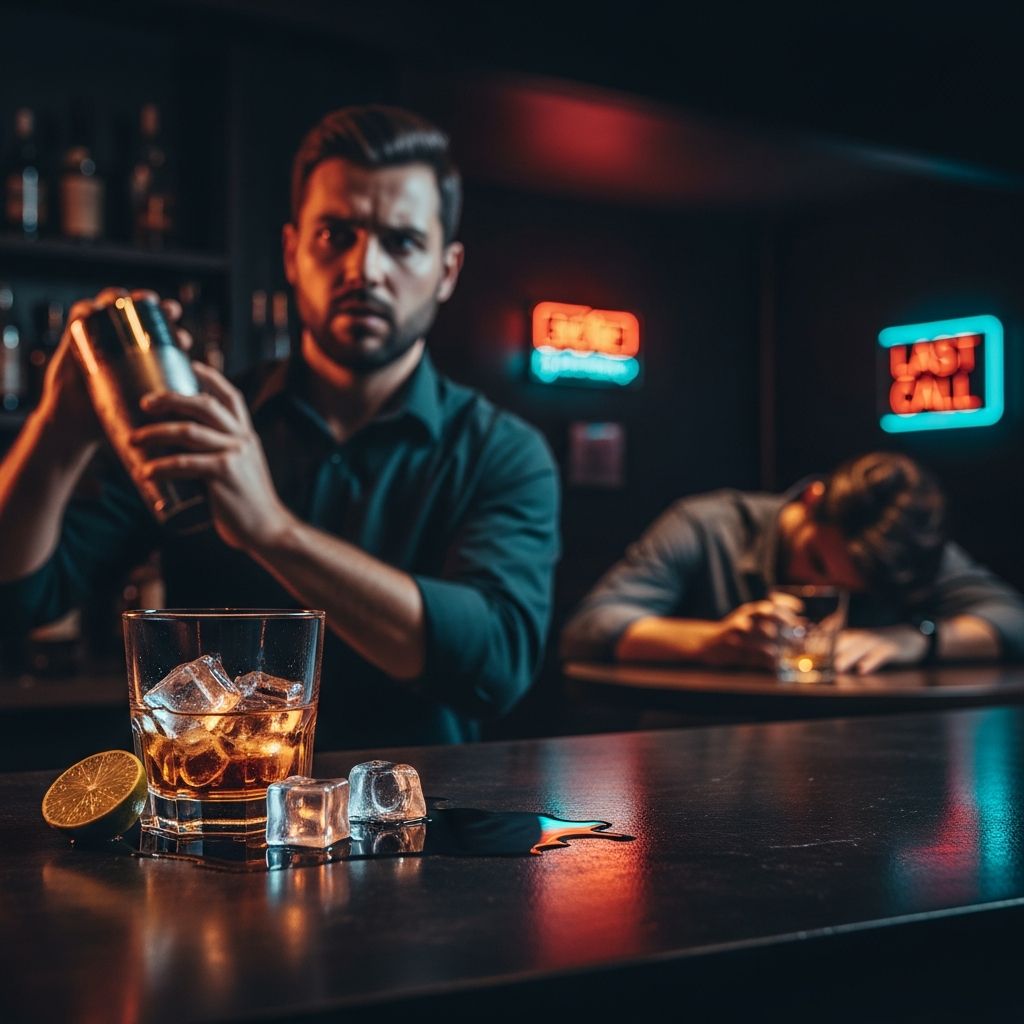
Alcohol service establishments like bars and restaurants carry significant responsibilities to prevent harm from excessive drinking. When staff continue serving patrons who show clear signs of intoxication, they may trigger legal accountability under specialized statutes known as dram shop laws. These regulations aim to deter reckless service practices and compensate victims of alcohol-related incidents.
Understanding Dram Shop Liability Principles
Dram shop laws impose civil responsibility on alcohol providers for damages caused by patrons they overserve. Named after historical shops selling alcohol by the “dram,” these statutes exist in 43 states plus Washington, D.C., though specifics vary widely. The core idea is that businesses profiting from alcohol sales must monitor consumption to avoid endangering patrons or the public.
Establishments owe a duty of care to refrain from serving individuals who are visibly impaired. Breach occurs when servers ignore obvious intoxication cues, such as slurred speech or unsteady gait. If this negligence proximately causes injury—like a drunk-driving crash—the bar becomes jointly liable alongside the intoxicated individual.
Key Elements Required to Prove Bar Responsibility
Successfully holding a bar accountable demands demonstrating four essential components in court:
- Duty of Care:** Liquor licensees must not serve alcohol to those already intoxicated, per state criminal codes often repurposed in civil suits.
- Breach:** Continued service despite visible impairment, evidenced by witness accounts or video.
- Causation:** Direct link between overservice and harm, such as elevated blood alcohol levels post-incident.
- Damages:** Quantifiable losses including medical bills, lost wages, and pain from accidents.
Plaintiffs must gather robust proof, as courts scrutinize whether staff “knew or should have known” of the patron’s state.
Defining Overserving: Signs Bartenders Must Recognize
Overserving happens when servers provide alcohol to patrons exhibiting unmistakable intoxication. Common indicators include:
- Slurred or incoherent speech
- Difficulty balancing or walking straight
- Confusion, disorientation, or aggressive behavior
- Bloodshot eyes, flushed face, or vomiting
- Inability to perform simple tasks like paying accurately
Trained bartenders, often certified via programs like TIPS, learn to spot these red flags and cut off service. Ignoring them elevates accident risks, especially if the patron drives away.
| Intoxication Sign | Why It’s a Cut-Off Trigger | Legal Implication |
|---|---|---|
| Slurred speech | Indicates impaired brain function | Breach of duty if service continues |
| Unsteady gait | Signals motor control loss | Foreseeable drunk driving risk |
| Aggression | Heightens fight or flight dangers | Liability for assaults |
Scenarios Triggering Establishment Accountability
Bars face liability in specific high-risk situations:
Serving Visibly Drunk Adults
If a bartender pours rounds to someone stumbling or mumbling, and that person later causes a crash, the bar may pay for victim injuries. South Carolina statutes, for instance, prohibit service to known intoxicants, supporting dram shop claims.
Alcohol to Underage Drinkers
Nearly all states hold bars responsible for failing to check IDs, making them liable for minors’ impaired actions. This strict liability often bypasses proving visible intoxication.
Post-Warning Negligence
Staff ignoring fellow patrons’ alerts about a drunk individual strengthens negligence arguments.
In DUI accidents, overserved drivers’ bars share fault if state law permits, shifting some burden from the at-fault motorist.
State-by-State Variations in Dram Shop Protections
Not every jurisdiction equally punishes overservers. Social host liability for private parties is rarer, focusing claims on commercial spots.
- Strict Liability States: Like Connecticut, liability attaches for serving minors regardless of intoxication proof.
- Negligence-Based: Most require showing reckless disregard, as in 42 states targeting bartender actions.
- No Dram Shop Laws: Utah and a few others limit third-party suits against servers.
Victims must consult local counsel, as caps on damages or immunity clauses (e.g., for family members) apply in places like Texas.
Gathering Evidence to Build a Strong Case
Time-sensitive preservation is critical post-incident:
- Surveillance footage from the bar showing service patterns
- Witness testimonies from staff or patrons
- Receipts indicating excessive drink purchases
- BAC tests, police reports, and sobriety videos from crashes
- Expert reconstructions linking consumption to impairment
Attorneys subpoena records promptly, as deletions occur. Dashcam or bystander videos bolster causation.
Potential Consequences for Overserving Businesses
Bars risk multifaceted penalties:
- Civil Damages: Covering medical costs, property loss, and wrongful death payouts
- Licensing Actions: Suspensions or revocations by liquor boards
- Criminal Charges: Fines up to thousands, misdemeanor or felony counts like manslaughter
- Employee Fallout: Personal liability, job loss for bartenders
Insurance often covers claims, but repeated violations hike premiums or void policies.
Steps for Victims Seeking Redress
- Seek Medical Attention: Document all injuries immediately.
- Report to Police: Ensure DUI charges and bar citations.
- Contact an Attorney: Specialized personal injury lawyers evaluate viability.
- File Within Limits: Statutes of limitations (1-3 years typically) apply strictly.
- Negotiate or Litigate: Many settle pre-trial; trials expose bar negligence publicly.
Frequently Asked Questions About Bar Overserving Liability
Can I sue a bar if an overserved patron hits my car?
Yes, if your state has dram shop laws and you prove overservice contributed to the driver’s impairment.
What if the bar claims the patron seemed fine?
Visible signs or expert testimony can rebut this; “should have known” standard applies.
Do social hosts face the same liability?
Rarely; dram shop targets commercial sellers primarily.
How much can I recover from a bar?
Varies by damages proven and state caps; includes economic and non-economic losses.
Is bartender training a defense?
It helps prevent claims but doesn’t shield if breach occurs.
References
- Can Bars Be Held Liable for Overserving an Intoxicated Person? — Greenville Legal. 2023. https://greenvillelegal.com/can-bars-be-held-liable-for-overserving/
- Can Bars Be Sued for Overserving Alcohol? — TIPS Certification (gettips.com). 2024. https://www.gettips.com/blog/can-bars-be-sued-for-overserving-alcohol
- When is a Bar Liable for Over Serving? — Sumner Law Group, LLC. 2023. https://www.sumnerlawgroup.com/blog/when-is-a-bar-liable-for-over-serving/
- Can a Bar Be Sued for Overserving Someone that Caused an Accident? — Morris Bart, LLC. 2024. https://www.morrisbart.com/faqs/can-bar-be-sued-overserving-someone-caused-an-accident/
- Can You Sue a Bar for Overserving? Understanding Dram Shop Laws in Connecticut — Brandon J. Broderick. 2024. https://www.brandonjbroderick.com/connecticut/can-you-sue-bar-overserving-understanding-dram-shop-laws-connecticut
- Legal Risks Bartenders Face for Over Serving Alcohol — Alcohol.org. 2023. https://alcohol.org/laws/over-serving/
- Are Bars Liable for Drunk Drivers? What You Should Know — Smith Law Center. 2024. https://www.smithlawcenter.com/blog/are-bars-liable-for-drunk-drivers
Similar Articles








Read full bio of medha deb




