
Bankruptcy And Your Home: Practical Guide To Keeping Your House
Understand how Chapter 7 and Chapter 13 bankruptcies affect your mortgage, home equity, and chances of keeping your house.
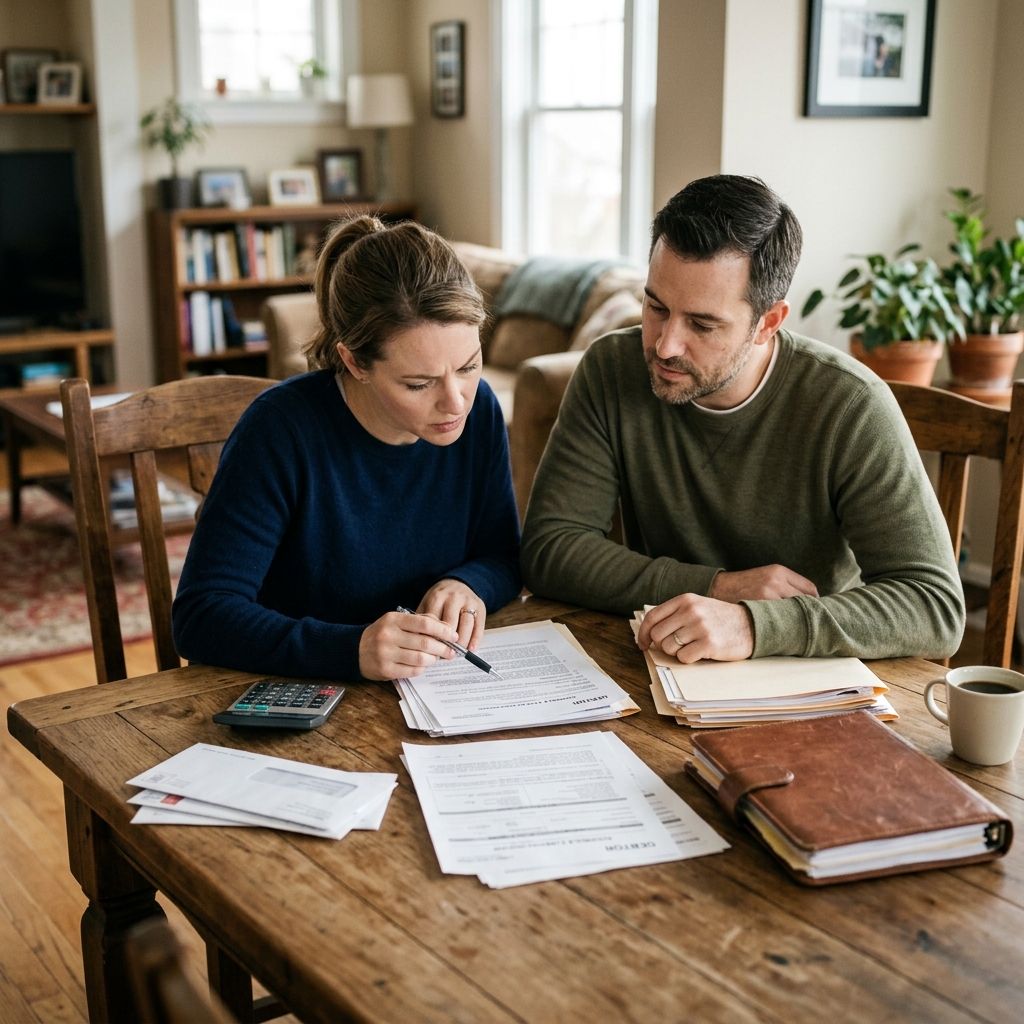
Filing for bankruptcy does not automatically mean you will lose your home. Whether you can keep your house depends on factors like your home equity, the type of bankruptcy you file, your state’s exemption laws, and whether you can continue making mortgage payments. This guide explains how those pieces fit together and what homeowners can realistically expect.
Core Idea: Bankruptcy Changes Debts, Not Ownership Overnight
Bankruptcy is designed to give you a fresh financial start, not to punish homeowners who are trying to regain control of their finances. In most cases, the goal of the law is to allow you to keep essential property, including a reasonable amount of equity in your primary residence. That protection is implemented through exemption laws and specific rules in Chapter 7 and Chapter 13 cases.
- Ownership: Your name usually stays on the deed unless the home is sold during the bankruptcy process.
- Mortgage: The lender’s lien on the property survives in both Chapter 7 and Chapter 13, even if personal liability for the debt is wiped out.
- Foreclosure: Bankruptcy can pause foreclosure temporarily and, in some cases, provide a path to catch up on missed payments.
Understanding how these elements interact is crucial to knowing whether bankruptcy will help you save your home or whether other options are better.
Key Factors That Determine If You Can Keep Your House
Every homeowner considering bankruptcy should focus on four main variables that drive the outcome:
- Home equity: The difference between your home’s market value and what you owe on mortgages and liens.
- Exemption limits: How much equity your state or federal law allows you to protect as a homestead.
- Current vs. behind on payments: Whether you are up to date on your mortgage or in arrears.
- Ability to pay going forward: Your realistic capacity to make ongoing mortgage payments and, in Chapter 13, plan payments.
When these factors are favorable, bankruptcy can be a powerful tool to preserve your home. When they are not, the process may instead provide a structured way to surrender the home and move on with fewer debts.
Understanding Homestead Exemptions And Protected Equity
A central concept in bankruptcy is the homestead exemption, which shields some or all of the equity in your primary residence from creditors. If your equity is within the exemption amount available in your jurisdiction, the bankruptcy trustee typically cannot sell your home to pay unsecured debts.
Homestead rules vary widely by state:
- Some states protect a relatively modest amount of equity in a residence.
- Others allow very large or even unlimited homestead protection, provided certain residency conditions are met.
- In addition to state law, federal bankruptcy law provides a separate homestead exemption option in some cases.
| Jurisdiction / Rule Type | Primary Residence Protection | Key Implication For Bankruptcy |
|---|---|---|
| Maryland statutory exemptions | Protects a specified dollar amount of equity in owner-occupied real estate, with the option to stack another general exemption up to a combined ceiling. | If your equity falls under the combined limit, the trustee generally cannot sell the home in Chapter 7. |
| States with large homestead caps | Some states protect very high or unlimited equity in a primary residence, subject to residency requirements. | Even substantial equity may be fully exempt, making home loss in bankruptcy less likely. |
| Federal exemption (where applicable) | Federal law offers a homestead exemption with a standardized ceiling. | Debtors may choose between state and federal exemptions in some jurisdictions, depending on which is more favorable. |
Because exemption amounts and eligibility rules are technical and state-specific, consulting an experienced bankruptcy attorney is critical before filing.
Chapter 7 Bankruptcy: Liquidation And Home Risk
Chapter 7 bankruptcy is often called a liquidation chapter. Non-exempt assets can be sold by a court-appointed trustee to pay creditors. Whether your house is at risk depends largely on your equity and the applicable homestead exemption.
When You Can Usually Keep Your Home In Chapter 7
- Your home equity does not exceed the exemption limit available to you.
- You are current on mortgage payments at the time of filing and remain current afterward.
- Your budget realistically supports continued payments once other unsecured debts are discharged.
In that scenario, the trustee generally has no economic reason to sell the property, and you can continue living in your home as long as you honor your mortgage obligations.
When Your House May Be Sold In Chapter 7
- Your equity significantly exceeds the available homestead exemption.
- You are far behind on mortgage payments and cannot realistically catch up.
- The value of the non-exempt equity is substantial enough that selling the home would materially benefit creditors.
In that case, the trustee might sell the house, pay off the mortgage, give you the exempt portion of the equity in cash, and distribute the remaining proceeds to creditors. This can be financially disruptive, but it sometimes results in a lump sum that helps the debtor relocate or reset housing costs.
What Happens To The Mortgage In Chapter 7
Even when Chapter 7 wipes out your personal liability for the mortgage note, the lender’s lien on the property remains. The bank still has the right to foreclose if you stop paying. Many homeowners:
- Continue making voluntary payments to stay in the property.
- Discuss reaffirmation agreements with counsel, which formally keep the personal obligation in place.
- Use the debt discharge to free up income for housing costs.
The key takeaway is that Chapter 7 does not erase the collateral relationship between your home and the mortgage.
Chapter 13 Bankruptcy: Repayment And Home Preservation
Chapter 13 bankruptcy is a court-supervised repayment plan that typically lasts three to five years. For many homeowners with steady income, this chapter offers more flexible tools for saving a home, especially when mortgage payments are behind.
Why Chapter 13 Can Be More Home-Friendly
- Automatic stay: Filing triggers a stay that temporarily halts foreclosure and collection efforts.
- Catching up arrears: Past-due mortgage amounts can be repaid over the life of the Chapter 13 plan instead of immediately.
- Non-exempt equity: If you have equity beyond exemption limits, you may still keep the home by paying creditors at least the value of that non-exempt equity through the plan.
Court approval hinges on whether your proposed plan is financially feasible and complies with statutory requirements.
Conditions For Keeping Your House In Chapter 13
Home retention usually depends on:
- Documented income sufficient to cover ongoing mortgage payments and plan payments.
- Realistic budget showing you can cure arrears within the plan term.
- Compliance with homestead and other exemption rules regarding non-exempt equity.
If those conditions are satisfied, Chapter 13 can give you breathing room and a structured framework to keep your house while reorganizing other debt.
When Bankruptcy Will Not Save Your Home
Despite the protections available, bankruptcy is not a cure-all. Some situations lead to home loss even when a case is filed:
- Unaffordable mortgage: If your income cannot support current payments, bankruptcy cannot force a lender to reduce principal or interest on a standard home loan.
- Extreme arrears: If the missed payment total is too large to repay within a reasonable plan, keeping the home may be impractical.
- Very high non-exempt equity: In Chapter 7, a trustee may sell such a property; in Chapter 13, you may face plan payments that exceed your capacity.
In those instances, the benefit of bankruptcy may be the opportunity to surrender the home in an orderly manner while discharging other debts and planning for more sustainable housing.
Strategic Steps Before You Decide To File
Because the outcome depends on precise financial details and legal rules, thoughtful preparation is essential. Consider these practical steps:
- Assess your home’s value: Use recent sales, appraisals, or professional opinions to estimate fair market value.
- Calculate your equity: Subtract all mortgage balances and liens from the value.
- Review your state’s exemption laws: Identify homestead limits and other exemptions that might apply to your property.
- Build a realistic post-bankruptcy budget: Include housing, utilities, taxes, insurance, and other essentials.
- Consult a qualified bankruptcy attorney: Discuss Chapter 7 vs. Chapter 13, likely treatment of your home, and timing.
Taking these steps can clarify whether bankruptcy is likely to protect your house or whether alternate solutions (modification, sale, or refinance) should be explored first.
Frequently Asked Questions About Bankruptcy And Your Home
Can I file for bankruptcy if I own a home?
Yes. Owning a home does not prevent you from filing bankruptcy. The main question is how the home will be treated in the case, which depends on your chapter choice, equity, and payment status.
Does everyone lose their house in Chapter 7?
No. Many Chapter 7 filers keep their homes because their equity is fully exempt and they can stay current on the mortgage. The trustee focuses on non-exempt value; if there is none, sale is unlikely.
Is Chapter 13 always better for homeowners?
Not always. Chapter 13 tends to be more helpful if you are behind on payments or have non-exempt equity you can afford to pay through a plan. For homeowners with little equity and no arrears, Chapter 7 may be simpler.
Will bankruptcy stop foreclosure permanently?
Bankruptcy usually triggers an automatic stay that pauses foreclosure, but it is temporary. To prevent foreclosure long-term, you must either cure arrears (often via Chapter 13) or otherwise reach an agreement with the lender.
What happens to property taxes and insurance?
Bankruptcy does not relieve the ongoing responsibility to pay property taxes and maintain insurance. Failure to pay them can still result in tax liens or lender action, even if other debts are discharged.
Should I move out before filing bankruptcy?
Not necessarily. Whether you stay or leave depends on your plan for the property. Staying may be appropriate if you expect to keep the home, while moving out may make sense if you intend to surrender it and reduce expenses.
Balancing Emotional And Financial Considerations
For many people, a home is more than an asset; it is stability, family, and identity. Bankruptcy decisions should account for both emotional and financial realities. Some homeowners are willing to make substantial sacrifices to keep a beloved property, while others discover that downsizing or relocating better serves their long-term goals.
A thoughtful approach often includes:
- Listing your non-negotiable needs (location, size, proximity to work or school).
- Comparing the cost of keeping your current home with feasible alternatives.
- Considering how housing decisions fit into a broader financial recovery plan.
Bankruptcy can be one tool in that plan, but it should be used with clear eyes about both the risks and opportunities it presents for homeownership.
References
- Can I File for Bankruptcy If I Own a Home? — Nolo. 2023-08-01. https://www.nolo.com/legal-encyclopedia/can-i-file-for-bankruptcy-if-i-own-a-home.html
- Property You Can Keep After Declaring Bankruptcy — People’s Law Library of Maryland. 2022-06-15. https://www.peoples-law.org/property-you-can-keep-after-declaring-bankruptcy
- If I File Bankruptcy, Will I Lose My House? — Frankfort Law Group. 2024-04-10. https://frankfortlawgroup.com/if-i-file-bankruptcy-will-i-lose-my-house/
- Bankruptcy and Homeownership: Strategies to Save Your Home — Blue Bee Bankruptcy Law. 2024-01-20. https://bluebeebankruptcy.com/blog/bankruptcy-saving-your-home/
- Bankruptcy When You Own a Home in New York — O’Bryan & Associates. 2023-11-02. https://oalaw.com/blog/bankruptcy/bankruptcy-when-you-own-a-home-in-new-york/
Similar Articles








Read full bio of Sneha Tete




