
Background Checks Under Fire: 2026 Compliance Risks
Navigating the rising legal challenges for background screening firms amid state bans, FCRA scrutiny, and fair chance reforms in 2026.
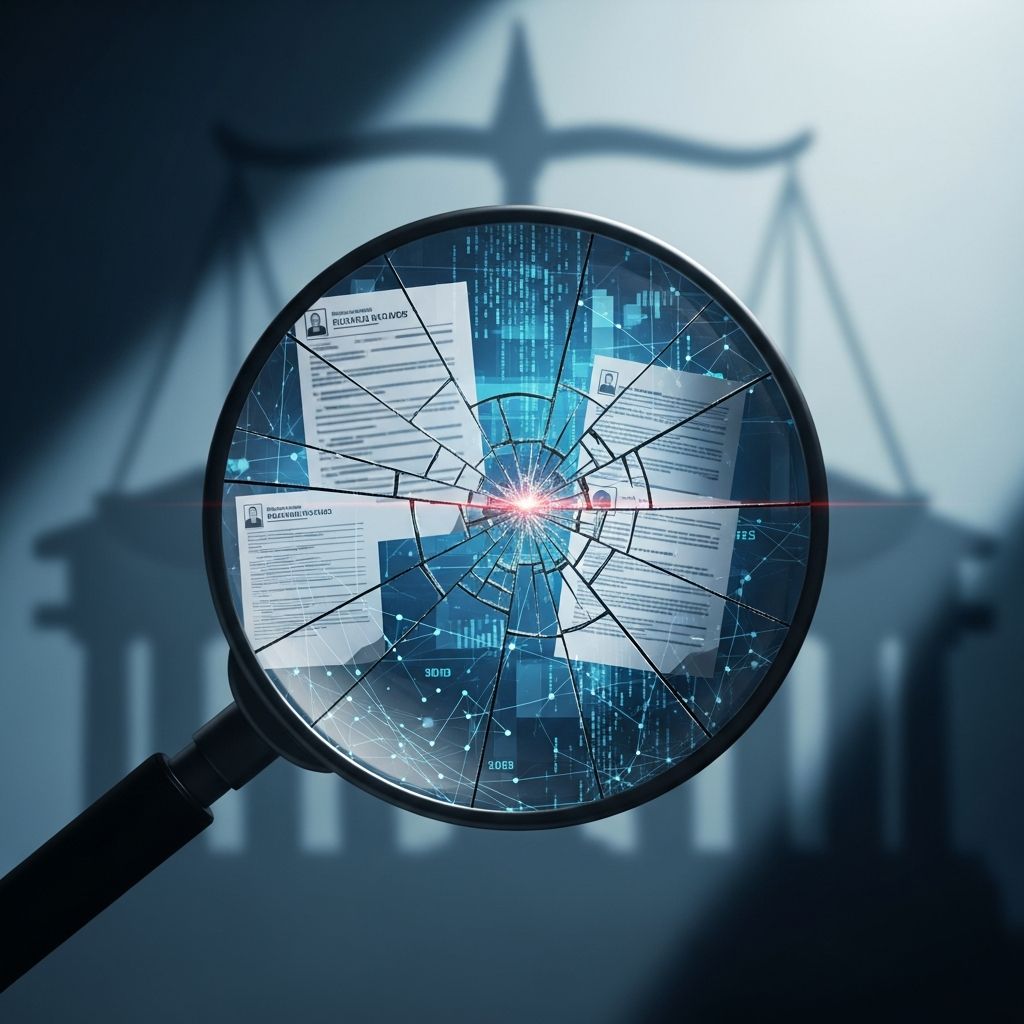
Background screening companies are encountering unprecedented legal scrutiny as states introduce stricter fair hiring laws and federal regulators tighten oversight on consumer reporting practices. These developments compel consumer reporting agencies (CRAs) to refine operations or risk costly litigation.
Evolving State Regulations Reshaping Screening Practices
State legislatures are aggressively expanding protections for applicants with criminal records, limiting when and how employers can access such information. Virginia’s Clean Slate law, effective July 1, 2026, automatically seals many convictions, rendering them invisible in standard checks for employers with 15 or more employees. This shift means CRAs must update databases to exclude sealed records, or face inaccuracies claims under federal law.
Washington State’s amended Fair Chance Act, phasing in from July 1, 2026, for larger employers, prohibits criminal history inquiries before conditional offers and bans adverse actions based on arrests or juvenile records. Violations carry penalties up to $1,500 per incident, escalating for repeats, pressuring CRAs to advise clients on timing and documentation.
Other states like Pennsylvania have shortened sealing periods for misdemeanors to seven years and certain felonies after 10 years without reoffense, reducing reportable data availability. Employers must now conduct individualized assessments for any convictions considered, providing applicants time to submit mitigating evidence.
Federal FCRA: The Unchanging Foundation Amid State Flux
Despite state innovations, the Fair Credit Reporting Act (FCRA) remains the bedrock of background screening compliance. It mandates clear disclosures, written consent, and a two-step adverse action process before denying employment based on reports. Recent clarifications from the FTC and CFPB emphasize that digital disclosures must be standalone, conspicuous, and free of extraneous text to be valid.
CRAs must investigate disputes promptly and correct errors, with non-compliance inviting class actions. Even as states add layers, FCRA supersedes; vendors ignoring it while adapting to local rules expose themselves and clients to liability.
| FCRA Requirement | Key Details | 2026 Updates |
|---|---|---|
| Disclosure | Clear, standalone notice | Strict digital standards for clarity |
| Authorization | Written consent pre-screening | No bundling with other forms |
| Adverse Action | Pre- and final notices | Unchanged; mandatory waiting periods |
| Disputes | Prompt reinvestigation | Enhanced consumer rights emphasis |
Ban-the-Box and Fair Chance Mandates Proliferate
Over 30 states and 150 municipalities enforce ban-the-box rules, delaying criminal history questions until after initial screening. Colorado’s Chance to Compete Act, now covering all employer sizes, bars such inquiries on applications and in ads. Federal Fair Chance Act mirrors this for government contractors, exempting only security-sensitive roles.
- Prohibits pre-offer criminal inquiries, except where mandated by law.
- Bans discouraging language in job postings for those with records.
- Requires business justification for post-offer disqualifications.
Illinois’ 2015 law limits checks until after interviews, with penalties for early inquiries. CRAs must tailor reports to comply, often segmenting data by jurisdiction.
Clean Slate Initiatives Limit Record Access
Automatic record sealing is accelerating. Virginia’s 2026 rollout hides eligible convictions from checks, demanding CRAs filter outputs dynamically. Pennsylvania’s expansions mean more records vanish post-waiting periods, complicating comprehensive screening.
Employers in affected areas must purge old data and update privacy notices for screening info sharing. Non-compliance risks FCRA violations if inaccurate or outdated sealed records appear.
Marijuana and Drug Testing Exceptions Emerge
New ordinances protect off-duty cannabis use. Certain cities exempt non-safety roles from failing positive tests post-offer. Exceptions apply to law enforcement, childcare, and CDL positions, but CRAs reporting drug screens must note these nuances to avoid misuse claims.
Proposed CFPB Rules Target Data Brokers
A December 2024 CFPB proposal expands FCRA to data brokers, imposing accuracy and purpose limits on aggregated info sales. If finalized, screening firms could face new registration and disclosure burdens, heightening operational risks.
Liability Traps for Screening Providers
CRAs aren’t immune; applicants sue them directly for FCRA breaches like missing notices or inaccurate reports. State laws amplify this—Washington’s penalties target employers but indirectly burden vendors via indemnification clauses.
Multi-state employers need compliance matrices blending FCRA with local rules. Vendors offering jurisdiction-specific guidance reduce shared risk.
Best Practices for Employers and CRAs in 2026
- Audit forms: Ensure disclosures are FCRA-compliant and state-ready.
- Train HR: On timing, assessments, and applicant response protocols.
- Partner wisely: Select CRAs with multi-state expertise and audit trails.
- Document everything: Justify decisions with business necessity.
- Monitor updates: Track bills via official state sites.
Regular policy reviews prevent fines and suits. Tools like automated compliance checkers help scale for national hiring.
Frequently Asked Questions
What is Virginia’s Clean Slate law?
Effective July 1, 2026, it seals many convictions automatically, excluding them from background checks for larger employers.
How does Washington’s Fair Chance Act change hiring?
Criminal inquiries only post-conditional offer; no adverse actions on arrests; penalties up to $1,500.
Can electronic FCRA disclosures be used?
Yes, if clear, standalone, and accessible per FTC/CFPB standards.
What are ban-the-box exceptions?
Typically for security, law enforcement, or legally required checks.
Do state laws override FCRA?
No, they supplement; full FCRA compliance is always required.
Strategic Outlook for Screening Industry
By 2026, CRAs investing in AI-driven compliance tools and legal partnerships will thrive. Those lagging risk obsolescence as fair chance norms solidify. Employers prioritizing equity alongside safety build resilient workforces.
Proactive adaptation—mapping jurisdictions, enhancing accuracy, and fostering transparency—shields against the litigation wave. As laws evolve, collaboration between employers and vendors ensures ethical, legal hiring.
References
- 2026 Background Screening Compliance Updates — One Source Screening. 2025-10-28. https://onesourcescreening.com/blog/2025/10/28/2026-background-screening-compliance-updates/
- New Background Check Laws Employers Need to Know [2026] — iProspectCheck. 2026 (accessed). https://iprospectcheck.com/new-background-check-laws/
- FCRA Compliance in 2026: What’s Changed and What Hasn’t — Private Eyes Background Checks. 2026 (accessed). https://www.privateeyesbackgroundchecks.com/fcra-compliance-in-2026-whats-changed-and-what-hasnt/
- Review Your Background Screening Policy for 2026 — Cisive Blog. 2026 (accessed). https://blog.cisive.com/background-screening-in-2026-policy-updates
- New Illinois Law Limits An Employer’s Ability to Conduct Criminal Background Checks — Hinshaw & Culbertson LLP. 2014-07-19 (authoritative on state precedent). https://www.hinshawlaw.com/en/insights/insights-for-employers-alert/new-illinois-law-limits-an-employers-ability-to-conduct-criminal-background-checks-of-job-applicants
Similar Articles








Read full bio of medha deb




