Your wedding day should be memorable for the right reasons: heartfelt vows, joyful celebrations, and meaningful moments with the people you love. Yet many couples encounter preventable problems such as bad weather, vendor mishaps, late arrivals, or legal oversights that add unnecessary stress to an already emotional day. The good news is that most of these issues can be anticipated and significantly reduced with thoughtful planning, strong contracts, and clear communication.
This guide explains how to minimize common wedding day problems, with a focus on legal protections, contingency planning, and practical logistics so you can focus on enjoying your celebration.
Understanding the Biggest Wedding Day Risks
While every wedding is unique, certain categories of problems show up repeatedly in couples’ stories and planning guides.
- Weather disruptions for outdoor ceremonies or receptions.
- Vendor issues like no-shows, late arrivals, miscommunication, or unexpected changes.
- Scheduling and timing problems when the day lacks a clear timeline or buffer periods.
- Wedding party or guest delays, including missing participants at key moments.
- Legal and administrative oversights such as missing licenses, unclear contracts, or inadequate permits.
- Family tensions and interpersonal conflicts that surface under the pressure of the day.
Approaching your wedding as both a celebration and a coordinated event helps you identify risks early and build protections into your plans and agreements.
Weather-Proofing Your Wedding Plans
Outdoor weddings are vulnerable to rain, wind, extreme heat, cold, or unexpected storms. Even indoor events can be impacted by travel delays or power interruptions. You cannot control the forecast, but you can control how prepared you are.
Design a Clear Backup Plan
When you book your venue, ask detailed questions about their contingency options and make sure backup arrangements are written into your contract.
- Confirm whether there is indoor space or covered shelter (tents, halls, pavilions).
- Specify who is responsible for setup and transition if the event must move indoors.
- Include timeframes for making a weather decision (for example, by the morning of the event).
- Address any cost differences between outdoor and indoor setups in your contract.
Venue rental agreements should clearly outline what happens if bad weather forces a change, including any alternative spaces, capacity limits, and additional fees.
Communicate Weather Plans to Guests
Guests handle changes better when they understand the plan in advance.
- Mention the possibility of an indoor or covered backup on the invitation or wedding website.
- Share parking instructions and access points for both the primary and backup locations.
- Encourage guests to dress appropriately if your event is outdoors in a season with variable conditions.
Weather Preparedness Table
| Weather Risk | Preventive Step | Contract or Logistics Tip |
|---|---|---|
| Rain | Reserve tents or indoor backup space in advance. | Include tent rental and setup details in venue contract with timing and costs. |
| Extreme heat | Provide shade, fans, and water for guests. | Confirm electrical capacity and equipment responsibilities with venue and vendors. |
| Cold or wind | Offer wraps, heaters, and wind-resistant decor. | Address heater rentals, safety guidelines, and placement rules in agreements. |
Using Contracts to Manage Vendors and Planners
Vendors and planners are vital to your wedding’s success, but misunderstandings or last-minute changes can cause serious stress. Written contracts are the most effective way to prevent problems and clarify expectations.
Why Vendor Contracts Matter
Comprehensive contracts with venues, caterers, photographers, planners, and other vendors should specify services, timelines, payments, and contingency rules.
- Scope of services: Describe exactly what is included (hours of coverage, menu items, staffing levels, setup and teardown responsibilities).
- Budget and payment schedule: Include deposits, due dates, and acceptable payment methods.
- Change and cancellation policies: Clarify deadlines for changes, fees for late modifications, and what happens if either party cancels.
- Communication expectations: Set standards for response times and contact methods so vendors remain reachable.
According to legal planning guides, contracts help couples reduce disputes and protect finances in case vendors fail to perform or unforeseen events occur.
Working with a Wedding Planner
A wedding planner or day-of coordinator can significantly reduce stress by handling logistics, vendor communication, and last-minute issues.
- Use a written wedding planner agreement covering their responsibilities, budget authority, and communication protocol.
- Specify whether the planner can meet vendors on your behalf and approve changes.
- Confirm that your planner uses written contracts with vendors and that you can review them.
Clear agreements mean your planner can act decisively during the event without exceeding the limits you are comfortable with.
Managing Late Changes and No-Shows
Last-minute changes to menus, arrival times, or services can be expensive and disruptive. To discourage this, contracts can include specific penalties and procedures.
- Set a cutoff date after which changes incur additional fees or may not be accepted.
- Include financial penalties for unapproved changes or failure to provide contracted services.
- Require vendors to provide backup plans (for example, substitute staff) in case of illness or emergencies.
Legal guides recommend reading every contract carefully and asking questions or seeking legal advice if you do not understand a clause.
Legal and Administrative Preparation Before the Wedding
Beyond event logistics, marriage itself has legal requirements and consequences. Addressing these early prevents last-minute crises and long-term confusion.
Marriage Licenses and Local Requirements
Most jurisdictions require couples to obtain a marriage license before the ceremony; requirements differ by location.
- Check local rules for waiting periods, expiration dates, and identification requirements.
- Apply well before the wedding, typically at a county clerk or registrar’s office, and bring necessary documents.
- Confirm who will file the license after the ceremony (officiant, couple, or another designated person).
Failing to obtain or file a marriage license correctly may mean your marriage is not legally recognized until the issue is corrected.
Prenuptial Agreements and Legal Planning
Some couples choose to sign prenuptial agreements to clarify financial rights and responsibilities before marriage. These arrangements should be completed well in advance of the wedding.
- Start discussions early to avoid time pressure and allow independent legal review.
- Ensure the agreement is voluntary, with full financial disclosure, and complies with local law.
Family law resources emphasize that prenuptial agreements are more likely to be upheld when both parties have time and access to legal advice.
Permits and Public-Space Restrictions
Weddings in public parks, historic sites, or city streets may require permits for gatherings, amplified sound, or temporary structures.
- Ask your venue and local authorities what permits are required and how far in advance you must apply.
- Confirm any capacity limits, noise restrictions, and curfews.
- Include permit responsibilities and fees in your venue contract or planner agreement.
Scheduling, Timelines, and Keeping the Day on Track
Even with strong contracts and legal preparation, a poorly structured schedule can cause cascading delays. A clear, realistic timeline is one of the easiest ways to keep your day running smoothly.
Build a Detailed Wedding Day Timeline
Couples who create and share a thorough schedule are less likely to experience timing problems or missed moments.
- Map out the entire day from hair and makeup to the last dance.
- Include specific arrival and setup times for each vendor.
- Build in buffer periods before major events (ceremony, dinner, speeches) to absorb minor delays.
- Share the final timeline with your planner, venue, vendors, and wedding party.
Rehearsals and Role Clarification
Rehearsals and pre-wedding briefings help participants understand where they need to be and when.
- Conduct a rehearsal to practice processional order, ceremony roles, and transitions.
- Explain expectations to anyone with a role: readers, musicians, ushers, and family members.
- Give your planner or coordinator contact details for the entire wedding party to manage reminders and arrival checks.
Handling Family Dynamics and Guest Issues
Weddings bring together people from different parts of your lives, sometimes including individuals who do not get along or have unresolved conflicts. Proactive planning can reduce the impact of these tensions on your day.
Seating and Social Arrangements
Thoughtful seating can help minimize conflict and awkward interactions.
- Place guests with known disagreements at separate tables or different sides of the room.
- Use a digital seating tool so you can adjust arrangements as needed during planning.
- Consider assigning neutral friends or relatives to sit near potentially tense groups to help keep the atmosphere calm.
Clear Boundaries and Expectations
If family dynamics are complex, early conversations can make the wedding day safer and more comfortable for everyone.
- Communicate dress codes, alcohol policies, and expected behavior honestly and respectfully.
- Set boundaries if certain topics or interactions are off-limits, and stick to them.
- Ask a trusted family member, planner, or counselor to help mediate or defuse tensions if necessary.
Emergency Planning and Day-of Problem Solving
Even the best-planned wedding can encounter small mishaps: wardrobe issues, forgotten items, or minor injuries. Preparing a structured response helps you handle these calmly.
Create a Wedding Day Emergency Kit
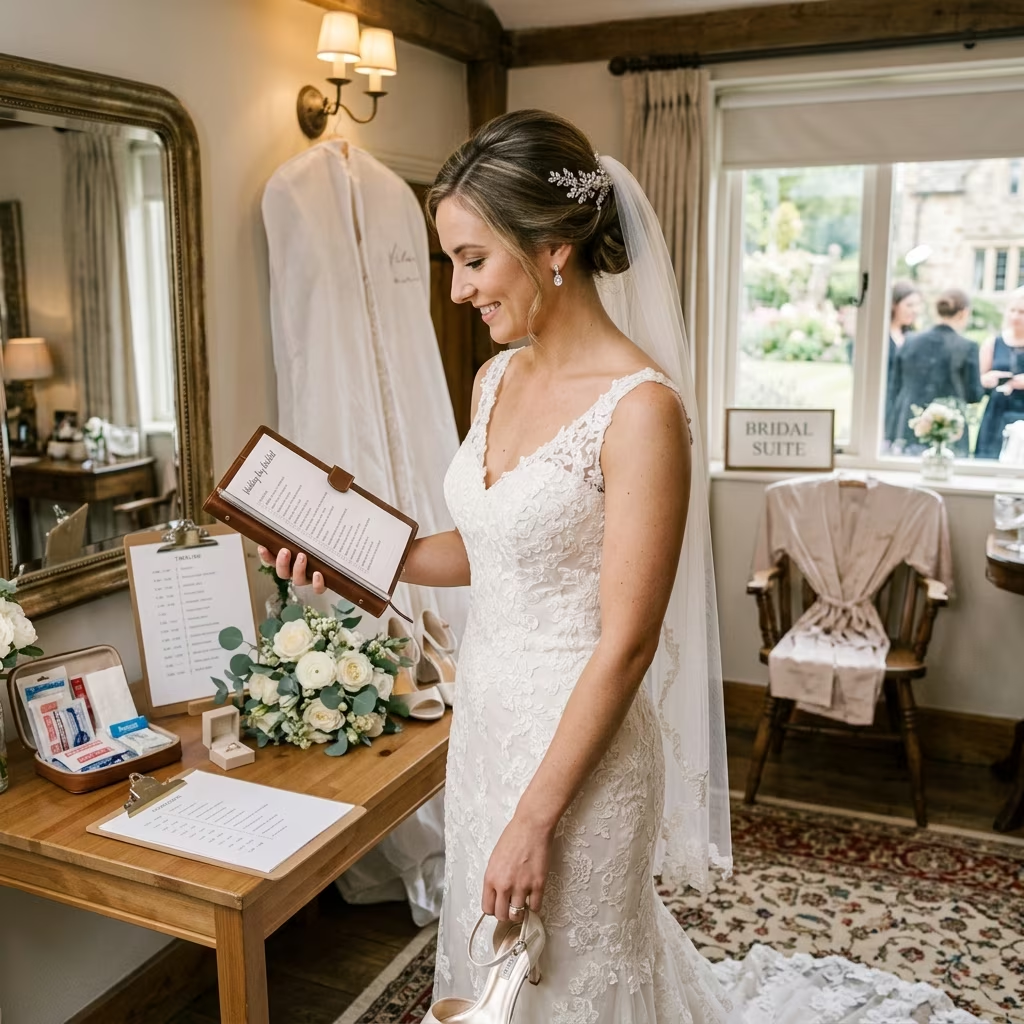
Many planners recommend packing an emergency kit with basic supplies to handle unexpected issues quickly.
- First aid items: bandages, pain relievers, blister pads.
- Wardrobe tools: safety pins, sewing kit, fashion tape, stain remover.
- Practical items: phone chargers, tissues, umbrellas, copies of the timeline and vendor contacts.
Assign a Problem-Solver
Choose one or two people—often the planner, a coordinator, or a calm relative—to be your primary problem-solvers.
- Give them the authority to make small decisions without consulting you.
- Provide all vendor contact information and key documents (contracts, permits, schedules).
- Ask them to keep you informed only when necessary, so you can stay present in the moment.
FAQs: Preventing Wedding Day Problems
How early should we start legal and contract planning?
It is wise to address legal tasks—such as marriage licenses, prenuptial agreements, and major vendor contracts—several months before the wedding. This allows time for negotiation, review, and compliance with local waiting periods.
Do we really need written contracts with every vendor?
Written contracts are highly recommended for all major vendors, including venues, caterers, photographers, planners, and entertainers. They outline services, costs, timelines, and what happens if plans change, reducing the chance of disputes.
What should be included in our venue agreement?
Key elements include reserved spaces, capacity, setup and cleanup responsibilities, backup plans for weather, payment schedules, cancellation policies, and any rules related to noise, curfews, and permits.
How can we avoid timing problems on the wedding day?
Create a detailed timeline with buffer periods, share it widely, and use a rehearsal to clarify roles. Consider hiring a planner or day-of coordinator to manage the schedule and vendor arrivals.
What if someone disrupts the ceremony or objects?
In many places, officiants are not legally required to invite objections, and personal objections do not usually have legal power to stop the ceremony. Discuss with your officiant ahead of time how they will handle interruptions and consider assigning a trusted person to manage disruptive guests.
References
- Wedding Day Hacks: 5 Common Problems and How To Prevent Them — Rocket Lawyer. 2023-06-12. https://www.rocketlawyer.com/family-and-personal/family-matters/marriage/legal-guide/how-to-prevent-common-wedding-day-problems
- Legal and Administrative Aspects of Wedding Planning — Commonwealth Commerce. 2023-05-01. https://commonwealthcommerce.com/legal-and-administrative-aspects-of-wedding-planning/
- 15 Common Wedding Planning Problems & How to Avoid Them — Sandon Hall. 2022-09-15. https://sandonhall.co.uk/blog/common-wedding-planning-problems-how-to-avoid/
- Your Wedding Day: Are You Ready For The Legal Changes Marriage Brings? — Weinberger Law Group. 2014-05-01. https://www.weinbergerlawgroup.com/blog/divorce-family-law/your-wedding-day-are-you-ready-for-the-legal-changes-marriage-brings/
- What Happens If Someone Objects at a Wedding? — LegalShield. 2022-08-10. https://www.legalshield.com/blog/what-happens-if-someone-objects-at-a-wedding