
Avoiding Arrest at Game-Day Tailgate Parties
A practical legal and safety guide to enjoying football tailgates without turning a fun parking lot party into criminal charges.
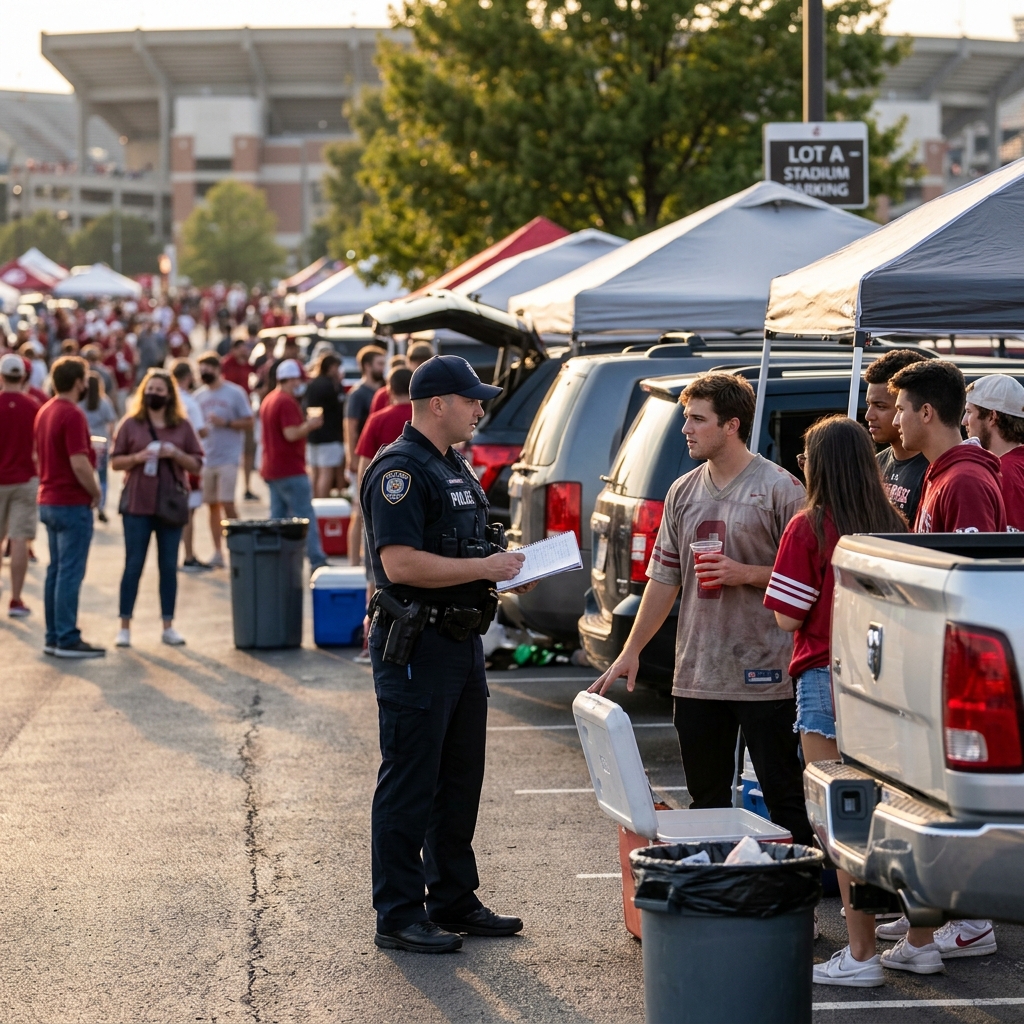
Tailgating has become a central part of American sports culture. Parking lots fill with grills, team jerseys, music, and coolers long before kickoff. Yet the same atmosphere that makes tailgating fun can also create serious legal risks if people are careless about alcohol, behavior, or local rules. Understanding those risks is the best way to keep your pre-game celebration from ending in handcuffs instead of high-fives.
This guide explains the most common ways fans get arrested around stadium parking lots and offers practical strategies to stay on the right side of the law. While specific rules vary by state and stadium, the underlying issues are similar everywhere: alcohol misuse, disruptive conduct, and ignoring venue policies. A little preparation can protect you, your friends, and your wallet.
Why Tailgates Lead to Legal Trouble
Tailgating combines several factors that increase the chance of arrest:
- Large crowds in confined spaces, often with limited law enforcement resources.
- Alcohol consumption, sometimes starting early in the day and continuing for hours.
- Excited emotions linked to rivalry games, close scores, or controversial plays.
- Mixed rules: state law, local ordinances, and stadium policies may all apply simultaneously.
When these elements combine, relatively minor lapses—like ignoring open container rules or overestimating your ability to drive—can quickly turn into criminal charges. Many arrests that occur at or near stadiums involve behaviors that would have been avoidable with simple precautions.
The Five Most Common Arrest Triggers at Tailgates
While there are many possible violations, five categories account for a large share of game-day arrests:
- Driving under the influence (DUI/DWI).
- Public intoxication and open container violations.
- Underage drinking and furnishing alcohol to minors.
- Disorderly conduct and fighting.
- Alcohol-related property and safety offenses.
1. Driving Under the Influence (DUI/DWI)
DUI remains one of the most serious and common offenses tied to tailgating. Alcohol is often central to the party, and fans may drink over many hours before getting behind the wheel. In every U.S. state, it is illegal to operate a vehicle with a blood alcohol concentration (BAC) at or above 0.08% for adults, and lower thresholds apply for commercial drivers and underage drivers.
Key facts about DUI at tailgates:
- Arrests are often planned: police know when major games occur and frequently increase patrols around stadium access roads and highways.
- Field sobriety tests and breath tests may be used if an officer suspects impairment based on driving behavior or appearance.
- Penalties can be severe, including fines, license suspension, probation, mandatory education programs, and possible jail time—especially for repeat offenders.
To avoid DUI at a tailgate:
- Choose a designated driver who agrees to avoid alcohol entirely before and during the event.
- Use public transit, rideshare, or taxis if you plan to drink.
- Plan your transportation before you open your first drink, not after the game ends.
- Intervene if a friend attempts to drive while impaired; calling a ride may prevent a crash and an arrest.
2. Public Intoxication & Open Container Violations
Even when you never drive, you can still face charges related to alcohol. Many states and municipalities prohibit public intoxication and open containers of alcohol in certain public spaces. Stadiums and their surrounding parking areas often fall under these restrictions, and venue policies may be even stricter than local law.
Common issues include:
- Walking around visibly intoxicated in areas where public drunkenness is prohibited.
- Carrying open alcoholic beverages in streets, sidewalks, or transit stations near the stadium.
- Ignoring posted signs about alcohol bans in specific lots or zones.
Consequences can range from citations and fines to arrest, particularly if intoxication is combined with aggressive or disruptive behavior.
Risk-reduction strategies:
- Check stadium rules in advance, especially regarding alcohol in parking lots and walkways.
- Keep drinking within designated tailgating areas where alcohol is explicitly allowed.
- Avoid obvious intoxication: pace yourself, eat regularly, and drink water in between alcoholic beverages.
- Stop serving alcohol to guests who show signs of impairment such as slurred speech, swaying, or confusion.
3. Underage Drinking & Providing Alcohol to Minors
Most states set the legal drinking age at 21, and enforcement is especially strict at large public events. At a crowded tailgate, it is easy for underage guests to access alcohol, whether from friends or strangers. Laws typically prohibit both underage consumption and the act of furnishing alcohol to minors, which can carry significant penalties.
Typical legal risks:
- Minors caught drinking or possessing alcoholic beverages, even in parking lots.
- Adults who buy, serve, or knowingly allow alcohol use by underage guests.
- Fake IDs used to obtain alcohol from vendors or nearby establishments.
In some jurisdictions, adults can face criminal charges and potential civil liability if an underage drinker they supplied becomes involved in an accident or injury.
Practical protections:
- Clearly state that no minors will be served at your tailgate.
- If you are unsure of someone’s age, ask to see ID before offering alcohol.
- Provide non-alcoholic beverages for young guests and those who choose not to drink.
- Monitor large coolers; do not leave alcohol where anyone can access it without oversight.
4. Disorderly Conduct, Fighting & Rivalry-Related Offenses
Football rivalries and alcohol can be a volatile combination. Many arrests at tailgates stem not from drinking alone but from what people do while intoxicated: harassing other fans, starting fights, damaging property, or refusing to follow police instructions.
Disorderly conduct laws vary by state, but they generally target behavior that disrupts public peace or safety, such as:
- Physical fights or threatening behavior.
- Obscene or extremely loud language that disturbs others.
- Refusing lawful orders from officers or security staff.
Even if you believe the other person started it, joining a fight in a crowded lot can lead to your arrest. Security personnel often have limited time to sort out who is responsible.
Behavior guidelines to avoid arrest:
- Keep trash talk and team banter playful, not personal.
- Walk away from escalating disputes, especially if alcohol is involved.
- Follow instructions from stadium staff and law enforcement promptly, even if you disagree. You can contest tickets later—but resisting in the moment leads to charges.
- Discourage friends from confrontations; a calm friend is often the difference between a story and an arrest.
5. Property, Safety & Miscellaneous Offenses
Not all game-day arrests involve alcohol directly. Tailgates can also lead to legal problems through unsafe grilling practices, littering, trespassing, and minor property crimes.
Examples include:
- Improper disposal of hot charcoal or ashes that cause fire hazards.
- Blocking traffic lanes or emergency routes with tents, tables, or vehicles.
- Damaging stadium property, parking lot surfaces, or nearby landscaping.
- Entering restricted areas or ignoring posted boundaries.
While some violations may result in warnings or fines, repeated or serious incidents can escalate into arrests, particularly when safety is at stake.
Safe practices:
- Use grills on stable surfaces and keep them away from vehicles and flammable materials.
- Dispose of hot coals in designated containers or metal buckets—never directly on the ground or in plastic trash cans.
- Keep walkways clear so emergency vehicles can pass if needed.
- Clean up your area thoroughly before you leave; many venues can issue penalties for excessive trash.
Know the Rules: Laws vs. Stadium Policies
Game-day behavior is governed by multiple layers of rules:
| Type of Rule | Who Sets It | Typical Examples | Potential Consequences |
|---|---|---|---|
| State laws | State legislature | DUI limits, underage drinking, public intoxication. | Arrest, fines, probation, license suspension. |
| Local ordinances | City or county | Open container bans, noise limits, public conduct rules. | Tickets, fines, possible arrest for serious violations. |
| Stadium policies | Team or venue management | Tailgating zones, alcohol hours, grill restrictions, parking rules. | Removal from property, revocation of tickets or season passes, referral to police. |
Because these rules interact, a behavior that seems acceptable in one context may violate another. For instance, a stadium might allow alcohol in a specific lot, but local law could still prohibit open containers on nearby public sidewalks.
Before tailgating:
- Visit the official stadium website to review tailgating rules and prohibited items.
- Check whether the venue allows alcohol in parking areas and under what conditions.
- Keep the phone number of local transportation services handy for safe rides home.
Hosting a Tailgate: Your Legal Responsibilities
If you organize a tailgate, you may have added responsibilities. In some states, hosts can face legal or civil consequences if guests become intoxicated, drive drunk, or cause harm after leaving the event. While the exact rules vary, a responsible host should take reasonable steps to reduce risk.
Responsible hosting checklist:
- Stay sober or lightly drinking so you can monitor guests and make clear decisions.
- Offer plenty of food so people are not drinking on an empty stomach.
- Provide a range of non-alcoholic options, including water, for designated drivers and non-drinkers.
- Cut off alcohol service to anyone showing obvious signs of impairment and help them arrange transportation.
- Keep a charged phone available for emergencies and ride requests.
Health and Safety Steps That Also Prevent Arrest
Good health and safety practices do more than protect you physically—they often lower the likelihood of risky behavior that leads to legal trouble.
Key cross-over protections:
- Hydration: Drinking water reduces the intensity of intoxication and helps maintain judgment.
- Sun protection: Sunscreen, shade, and breaks in hot weather lower fatigue and irritability.
- Food safety: Keeping meat below 40°F, avoiding cross-contamination, and discarding food left out too long prevents illness that could require medical intervention.
- Buddy system: Staying with friends if drinking helps you avoid risky decisions like wandering off alone or getting into arguments.
Frequently Asked Questions (FAQs)
Do I have to be driving to be arrested for alcohol at a tailgate?
No. Many arrests involve public intoxication, disorderly conduct, or open container violations even when the person never drives. You can face charges simply for being visibly intoxicated or disruptive in public areas where such behavior is prohibited.
Are stadium parking lots considered public or private property?
Stadium lots are typically private property owned or controlled by the team or venue, but public laws still apply there. Venue policies determine what is allowed on the property, and law enforcement can enforce state and local laws at the same time.
If I’m a designated driver, can I have one drink?
Best practices say no. Safety advocates recommend that designated drivers avoid alcohol entirely, since even small amounts can impair judgment and create legal risk if an accident occurs. Many organizations emphasize that a designated driver should be completely sober throughout the event.
Can I be held responsible if a guest leaves drunk and causes an accident?
In some states, social host liability or similar rules can expose hosts to civil lawsuits or other consequences if they serve alcohol to guests who later injure others, especially minors. Regardless of specific laws, it is wise to discourage impaired driving and help guests find safe transportation.
How can I find out the specific rules for my stadium?
Most venues publish tailgating guidelines on their official websites, including hours, alcohol rules, grilling restrictions, and parking policies. Reviewing these rules before game day is one of the simplest ways to avoid surprises and potential citations.
Quick Game-Day Checklist to Stay Arrest-Free
- Plan transport: arrange a designated driver or rideshare before the event.
- Verify stadium tailgating rules online, including alcohol and grill policies.
- Stock water, food, and non-alcoholic drinks to moderate alcohol use.
- Confirm that all drinkers are 21 or older, and do not serve minors.
- Keep coolers monitored and avoid obviously intoxicated behavior.
- Resolve conflicts calmly and walk away from heated rivalries.
- Dispose of trash and hot coals properly and keep walkways clear.
Tailgating should be memorable for the game-day excitement, not for a night in a holding cell. By understanding common legal pitfalls and taking simple preventive steps, you can enjoy the parking lot party while keeping yourself and others safe—and free.
References
- Tailgating Laws: Top Risks to Avoid — ARAG Legal. 2021-06-01. https://www.araglegal.com/learning-center/using-your-legal-plan/legal-trouble/tailgaiting-laws-risks
- How to Enjoy Football Tailgating Parties Safely — We Save Lives. 2020-09-10. https://wesavelives.org/how-to-enjoy-football-tailgating-parties-safely/
- 7 Safety Tips for a Terrific Tailgating Experience — SafeWise. 2019-09-05. https://www.safewise.com/blog/7-safety-tips-for-a-terrific-tailgating-experience/
- Tailgating 101: What You Need to Know Before Game Day — Truth BBQ. 2022-08-15. https://truthbbq.com/blogs/news/tailgating-101-what-you-need-to-know-before-game-day
- OSU Tailgating: How to Stay Legal and Out of Trouble — The Koffel Law Firm. 2016-09-01. https://www.koffellaw.com/faqs/osu-tailgating-how-to-stay-legal-and-out-of-trouble/
Similar Articles








Read full bio of medha deb




