
Arrests and U.S. Immigration Status: Risks, Rights, and Next Steps
Understand how an arrest can affect visas, green cards, and removability, and what practical steps to take to protect your immigration future.
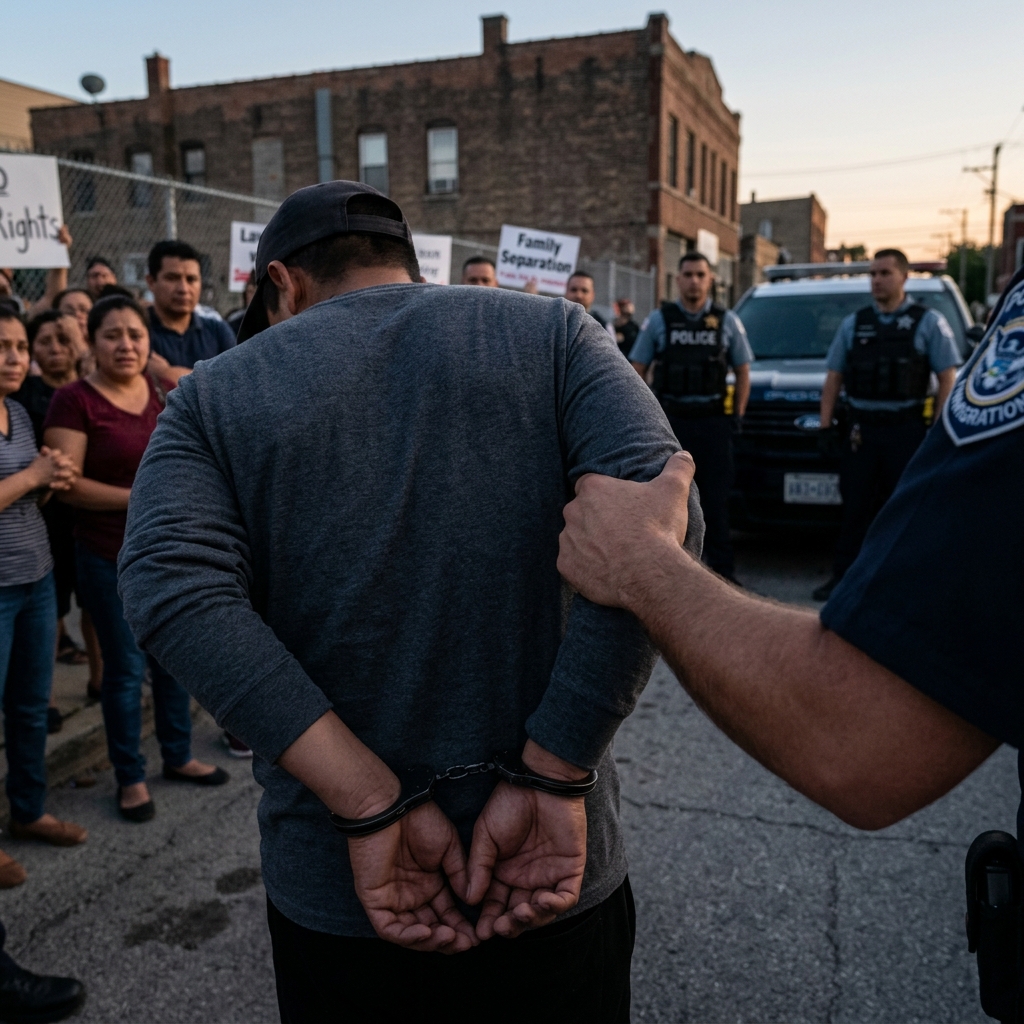
An arrest in the United States can create serious immigration consequences, even when the criminal case is minor or ultimately dismissed. For noncitizens, a single encounter with law enforcement can affect visa validity, eligibility for future immigration benefits, and exposure to removal (deportation). Understanding the legal landscape helps you respond quickly and reduce long‑term damage to your status.
Why Arrests Matter in Immigration Cases
U.S. immigration law treats criminal conduct as a key factor in deciding whether someone may enter, remain in, or become a permanent resident or citizen of the United States. Even when a case does not lead to jail time, immigration agencies can review arrest records and court outcomes to decide:
- Whether you remain admissible to the United States
- Whether you are deportable after admission
- Whether you meet standards like good moral character for naturalization or other benefits
- Whether your existing visa or status should be cancelled or questioned
Criminal issues intersect with immigration in several ways: records are shared across federal systems, consular officers and border officials regularly review them, and immigration statutes list specific offenses that trigger ineligibility or deportability.
Arrests Versus Convictions: What Immigration Law Sees
Immigration law draws an important distinction between an arrest and a conviction, but both may have consequences.
What Counts as a Conviction for Immigration Purposes
Under U.S. Citizenship and Immigration Services (USCIS) guidance, a conviction exists when there is a formal judgment of guilt entered by a court, or when a judge or jury finds a person guilty, or the person admits guilt, and some form of punishment, penalty, or restraint is imposed. This can include:
- A guilty plea with a fine or probation
- A finding of guilt followed by a suspended sentence
- Certain deferred adjudication arrangements where guilt is acknowledged and a penalty is imposed
Expunged or sealed records usually do not erase a conviction for immigration purposes. USCIS specifically notes that many expunged convictions remain relevant when assessing immigration eligibility, including controlled substances and crimes involving moral turpitude.
How Arrests Without Convictions Still Matter
An arrest alone does not automatically make someone deportable. Removal typically depends on statutory grounds that are based on convictions or specific conduct. However, an arrest can still affect immigration in several ways:
- Government databases: Arrests are entered into federal systems that consular officers and border officials can access when you apply for a visa or seek admission.
- Visa interviews and forms: Most U.S. immigration and visa forms ask whether you have ever been arrested; you must answer truthfully, and officers can consider the circumstances even if the case was dismissed.
- Perceived public safety risk: Immigration authorities may treat certain arrests, such as for driving under the influence (DUI), as indicators of public safety concerns and may cancel a visa or scrutinize future applications more closely.
- Status compliance: In some situations, an arrest may signal that you have violated conditions of your nonimmigrant status, especially if it involves serious criminal charges that conflict with status obligations.
Because of these indirect effects, it is important not to dismiss an arrest as harmless simply because the criminal court case ended favorably.
Immediate Consequences: Contact with ICE After an Arrest
When local or state law enforcement agencies arrest a noncitizen, they may share information with federal immigration authorities. This can result in Immigration and Customs Enforcement (ICE) involvement before the criminal case is fully resolved.
Transfer to Immigration Custody
In some cases, once criminal charges are filed, ICE may issue a detainer asking the local jail to hold the person for transfer to immigration custody. If that happens, several outcomes are possible:
- Reinstatement of a prior removal order: If the person previously received a final order of deportation, that order can be reinstated, allowing removal without a new hearing unless the person expresses fear of return and seeks protection.
- Initiation of new removal proceedings: If there is no prior order, ICE may file a charging document (Notice to Appear) and begin removal proceedings before an immigration judge.
- Detention in an immigration facility: The person may be transferred to an immigration detention center while proceedings continue.
In many circumstances, the person can request release on bond or on other terms, but eligibility depends partly on criminal history and the type of charges involved.
Proving Time in the U.S. and Fear of Return
Noncitizens who lack current immigration documents but have lived in the United States for more than two years may have additional protections. Advocates recommend carrying proof of residence, such as leases, school records, or dated mail, to show continuous presence. If someone cannot demonstrate two years in the country, certain fast‑track removal procedures can be used that do not involve a full hearing.
People who fear persecution or serious harm in their home country should clearly tell each officer they encounter that they are afraid to return. Voicing this fear can trigger a screening process for asylum or other protection, which may avert rapid removal.
Different Statuses, Different Risks
The consequences of an arrest vary depending on the person’s immigration status. Two people facing identical criminal charges may experience very different legal outcomes.
| Immigration Category | Potential Impact of Arrest |
|---|---|
| Nonimmigrant visa holders (F‑1, H‑1B, etc.) | Possible visa cancellation, difficulty renewing or obtaining future visas, increased scrutiny at consulates and ports of entry. |
| Lawful permanent residents (green card holders) | Arrest leading to certain convictions may make them deportable and can block naturalization by undermining good moral character. |
| Undocumented individuals | Greater risk of being placed directly into removal proceedings; prior removal orders may be reinstated more quickly. |
| Applicants for immigration benefits | Applications for adjustment of status, visas, or other benefits may be denied if arrests lead to inadmissibility or raise serious character issues. |
Nonimmigrant Visa Holders
Students, exchange visitors, and workers in temporary status face specific issues. Universities and international offices warn that being arrested while holding a nonimmigrant visa can affect the ability to stay in or re‑enter the country. Even if academic and immigration status technically remain valid, consulates abroad can cancel a visa stamp based on arrest information, especially for DUI‑related incidents, which may prevent future travel and visa issuance.
Lawful Permanent Residents
Green card holders generally have stronger protection, but they are not immune. Convictions for certain offenses—such as aggravated felonies, controlled substance violations, or crimes involving moral turpitude—can make them deportable or ineligible for naturalization because they cannot demonstrate good moral character. An arrest that leads to such a conviction may also limit relief options in removal proceedings.
Undocumented or Out‑of‑Status Individuals
People without current legal status face heightened risk. An arrest often exposes their lack of status, which can trigger placement into removal proceedings or reinstatement of older removal orders. For these individuals, contact with a criminal defense attorney who understands immigration consequences, and with an immigration lawyer, is especially urgent.
Long‑Term Effects on Immigration Applications
Criminal issues can surface years later when you apply for a new immigration benefit, travel abroad, or seek citizenship. In most cases, you must disclose prior arrests and convictions on immigration forms.
Admissibility and Future Visas
For foreign nationals seeking to enter or re‑enter the United States, consular officers and border officials assess admissibility. Certain criminal convictions, and in some cases the underlying conduct, can make a person inadmissible, preventing issuance of a visa or entry into the country. Even where a waiver is available, the process can be lengthy and uncertain.
Naturalization and Good Moral Character
When someone applies for U.S. citizenship, USCIS evaluates whether they have demonstrated good moral character during a statutory period, usually five years. The USCIS Policy Manual states that many disqualifying criminal offenses require a conviction or arrest. Even conduct that does not fit a specific statutory bar can still be considered negatively in the overall moral character analysis.
Records That Do Not Disappear
Many people assume that sealing or expunging a record in state court will solve immigration problems. USCIS guidance makes clear that a record of conviction may continue to count for immigration purposes even after expungement, especially for controlled substance offenses or crimes involving moral turpitude. Universities likewise warn that expungement does not erase a criminal conviction for visa and immigration evaluations.
Practical Steps to Protect Your Immigration Interests
If you are a noncitizen and you are arrested or have past criminal issues, taking organized steps can significantly improve your chances of preserving status.
1. Seek Qualified Legal Help
- Criminal defense counsel: Work with a lawyer who understands both criminal law and immigration consequences, or whose firm coordinates closely with an immigration practitioner.
- Immigration attorney: Ask specifically how different pleas, diversion programs, or sentencing options may affect deportability or admissibility.
- Early consultation: Do not wait until your immigration case is filed; the structure of your criminal plea may determine whether immigration relief remains possible.
2. Gather Documentation
- Obtain certified records of all arrests and dispositions, including final court judgments, as immigration agencies may request them.
- Collect proof of your lawful status (I‑94 records, visa documents, green card) and evidence of long‑term residence, such as leases and work records.
- Maintain updated contact information for your attorneys and any sponsors or family members involved in your case.
3. Know Your Rights in Detention
Advocacy organizations emphasize that all immigrants—regardless of status—have basic legal rights during encounters with immigration or police:
- The right to remain silent about nationality or immigration status in many situations, especially when not formally arrested
- The right to speak with a lawyer and, in removal proceedings, to hire one at your own expense
- The right to request information about charges and to receive copies of key documents
- The right, in many cases, to ask an immigration judge to review detention and set a bond
Exercising these rights can help you avoid making statements or decisions that increase your legal risk.
4. Answer Immigration Forms Truthfully
Visa and immigration applications typically ask if you have ever been arrested, charged, or convicted of an offense. U.S. consulates and USCIS have extensive access to criminal databases, so giving a false answer can itself become a serious legal problem. Truthful disclosure allows your attorney to frame the issue, present supporting evidence, and, where possible, seek waivers or explain mitigating circumstances.
Frequently Asked Questions
Does a dismissed case still affect immigration status?
A dismissed case generally does not create a conviction, but the underlying arrest will still appear in government databases and on your record. Immigration officials may review the circumstances and may ask about them during interviews. The practical impact depends on the nature of the allegation and whether other concerns are present. Legal advice is essential.
Can a DUI arrest lead to visa cancellation?
Universities and international offices report that a DUI or DWI arrest or conviction can lead a U.S. consulate to cancel a nonimmigrant visa stamp and scrutinize future applications more carefully. Even if your status inside the United States remains valid, travel abroad and re‑entry may become more difficult.
Will expunging my record solve my immigration issues?
Not necessarily. USCIS guidance states that many expunged convictions still count for immigration purposes, especially controlled substance violations and crimes involving moral turpitude. Educational institutions likewise warn that expungement does not prevent an arrest or conviction from affecting visa applications.
Do lawful permanent residents face deportation after criminal convictions?
Yes, in some circumstances. Certain convictions—such as aggravated felonies or particular crimes involving moral turpitude—can make permanent residents deportable and can bar them from obtaining U.S. citizenship. The exact impact depends on statute, criminal category, and timing. Early coordination between criminal and immigration counsel is crucial.
Is it safe to travel abroad after an arrest?
Travel always carries added risk when an arrest or conviction is on your record. Consular officers and border officials may review your history and decide you are inadmissible or cancel your visa stamp. Before leaving the country, speak with an immigration attorney to assess risks and possible waivers.
References
- Effect of Arrest on Immigration Status — New York University Office of Global Services. 2022-03-01. https://www.nyu.edu/students/student-information-and-resources/student-visa-and-immigration/current-students/visa-and-academic-changes/effect-of-arrest-on-immigration-status.html
- Effects of Arrest on Visa Status — University of Maryland Global. 2021-11-15. https://marylandglobal.umd.edu/global-learning-all/international-students-scholars/life-umd/safety-and-emergency-resources/effects-arrest-visa-status
- Effect of Arrest on Visa Status: F-1 Students — Indiana University Office of International Services. 2020-09-10. https://international.indianapolis.iu.edu/visas/f1-students/arrest.html
- Chapter 2 – Adjudicative Factors — U.S. Citizenship and Immigration Services Policy Manual, Volume 12 Part F. 2023-06-15. https://www.uscis.gov/policy-manual/volume-12-part-f-chapter-2
- Immigration and Criminal Law — Texas Law Help. 2022-05-20. https://texaslawhelp.org/article/immigration-and-criminal-law
- What to Do if You Are Arrested or Detained by Immigration — National Immigration Law Center. 2019-08-01. https://www.nilc.org/resources/know-your-rights-what-to-do-if-arrested-detained-immigration/
- Know Your Rights: What to Do if You Are Arrested or Detained by Immigration — Houston Immigration Legal Services Collaborative. 2020-04-10. https://houstonimmigration.org/resource/know-your-rights-what-to-do-if-you-are-arrested-or-detained-by-immigration/
Similar Articles








Read full bio of medha deb




