
Arkansas Home Funeral Guide: Legal Steps And Practical Tips
Comprehensive guide to conducting home funerals legally in Arkansas, covering permits, body care, burial, and cremation options.
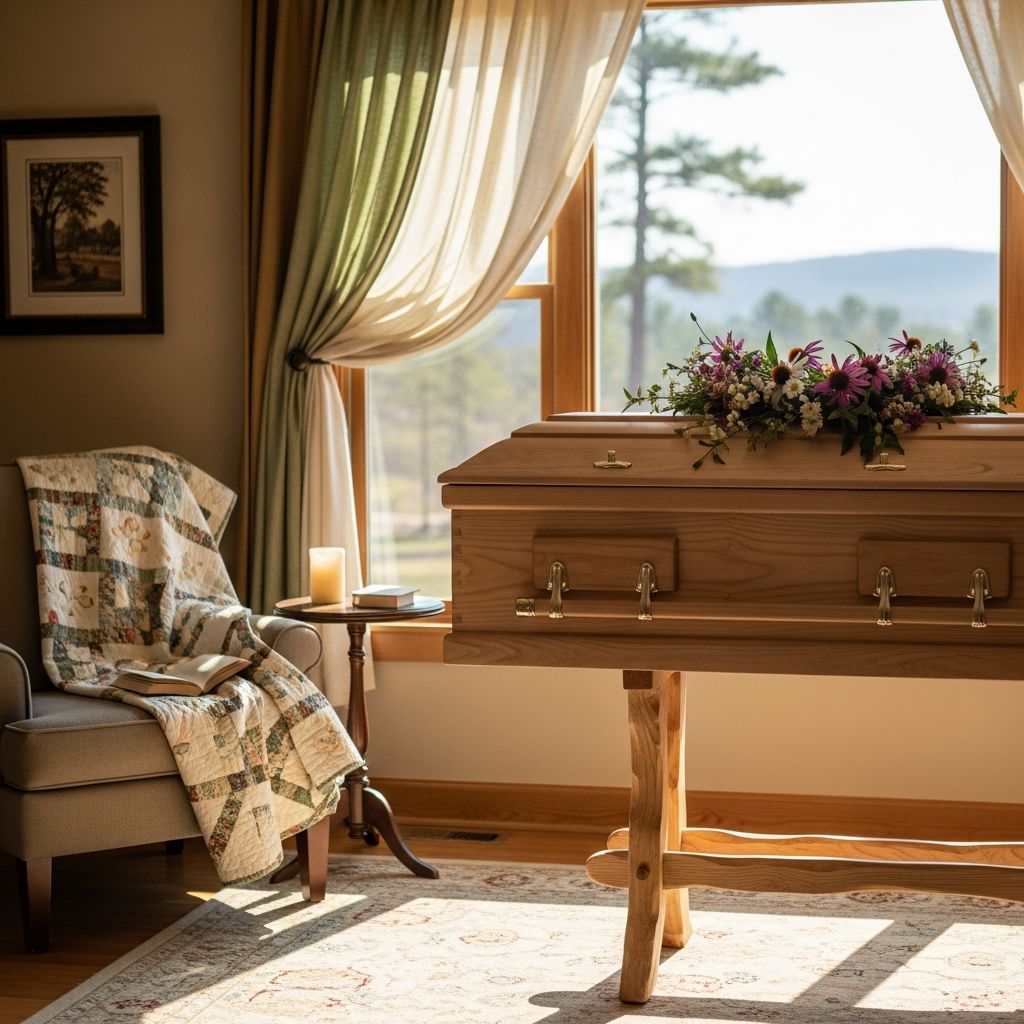
Conducting a home funeral in Arkansas empowers families to manage the care and disposition of their loved ones personally, without mandatory involvement from licensed funeral professionals. State laws support this practice as long as health regulations and permits are followed diligently.
Understanding Home Funerals in Arkansas
A home funeral involves family members or close loved ones taking responsibility for the deceased’s body from the moment of death through final disposition. This includes washing and dressing the body, holding viewings at home, transporting it if needed, and arranging burial or cremation. Arkansas statutes explicitly allow individuals to act in place of a funeral director, provided they comply with vital records and public health rules.
Historically, home-based after-death care was the norm before commercial funeral services became widespread. Today, reviving this tradition offers emotional healing, cost savings—often thousands of dollars—and customization aligned with cultural or religious preferences. Key benefits include intimate gatherings in familiar surroundings and avoiding rushed decisions under grief.
Legal Foundation for Family-Led Arrangements
Arkansas Code § 20-18-601(b) states that the person who first assumes custody of the body—whether a licensed funeral director or a family member—must handle death certificate filing, gather personal data from next of kin, secure medical certification, and ensure the document identifies the decedent accurately. This provision opens the door for non-professionals to lead the process.
While Arkansas State Board rules require licensed supervision for commercial funerals, these do not extend to private citizens caring for their own deceased relatives. The Board’s authority is limited to funeral-related businesses, affirming families’ rights to independent action. No state law mandates hiring a funeral home, making home funerals fully permissible statewide.
Step-by-Step Process for a Home Funeral
Organize your home funeral systematically to meet all requirements:
- Immediate Post-Death Actions: Notify the attending physician, hospice nurse, or coroner if required. Do not move the body until medical certification is obtained.
- Obtain Death Certificate: The family member assuming custody files this with the Arkansas Department of Health. Include medical certification from the physician or coroner.
- Body Preparation: Families may bathe, dress, and place the body on dry ice or in refrigeration. Vigil periods can last up to 72 hours with proper preservation.
- Transportation: Use a van or hearse alternative for moving the body to a cemetery or crematory. A transit permit may be needed from local authorities.
- Final Disposition: Secure burial or cremation permits before proceeding.
This process typically spans 3-7 days, allowing time for family arrivals and ceremonies.
Preservation Requirements: Embalming and Refrigeration
Embalming is not required for most home funerals in Arkansas. However, if burial does not occur within 24-48 hours or cremation within 48 hours, the body must be embalmed or refrigerated to prevent decomposition. Regulation 8.1 specifies preservation methods, permitting dry ice or units maintaining temperatures below 45°F for up to 72 hours.
Exceptions mandating embalming include communicable diseases, interstate transport, or coroner orders. Families should consult the physician early to confirm any disease-related restrictions. Refrigeration units are available for rent from funeral homes or home funeral guides, offering a chemical-free alternative.
| Time Frame | Burial | Cremation | Required Action if Delayed |
|---|---|---|---|
| Within 24 hours | Allowed without preservation | N/A | None |
| 24-48 hours | Refrigerate or embalm | Allowed within 48 hours | Preservation mandatory |
| Over 48-72 hours | Embalm or refrigerate | Permit required post-investigation | Strict compliance |
This table summarizes timelines based on state health codes. Always verify with local health departments for updates.
Handling Cremation from Home
Cremation requires a specific authorization form submitted by the person controlling disposition—often the next of kin or pre-designated individual. If a coroner investigated the death, their approval is essential before cremation proceeds.
Advance planning allows completion of a Final Disposition Rights Form, legally binding your cremation wishes and bypassing family disputes later. Submit this to the crematory alongside the death certificate. No funeral director is needed; families can deliver the body directly. Costs average lower without service packages, focusing only on cremation fees.
Options for Home Burial on Private Property
While Arkansas prefers burials in established cemeteries, private family plots are permitted under specific conditions outlined in A.C.A. § 5-39-212. Exemptions apply to plots with fewer than six commercial markers, unused for 25 years, and without road access for 30 years—though it’s unclear if all criteria must align.
New family graveyards require registration with the county clerk prior to use. No statewide rules dictate depth or distance from water sources, but best practices recommend at least 150 feet from wells and three feet of soil cover to protect groundwater. Local zoning or health ordinances may impose additional restrictions; contact your county assessor early.
Act 753 of 1991 protects all human remains from desecration, applying equally to private and public lands, ensuring dignity in family plots.
Transportation and Permit Essentials
Families can transport the deceased in personal vehicles if properly prepared and permitted. Obtain a transit permit from the state registrar or local health office, especially for county lines or out-of-state moves. For disinterment, formal authorization is mandatory.
Proof of legal custody via the death certificate is crucial. Some crematories or cemeteries accept home transports directly, streamlining the process.
Costs and Practical Considerations
Home funerals slash expenses by eliminating funeral home markups on caskets, services, and facilities. Basic costs include:
- Death certificate filing: $25-$50
- Dry ice/refrigeration rental: $100-$300
- Cremation: $800-$1,500
- Burial plot (private): Variable, often free on family land
- Permits: $20-$100
Total under $2,000 versus $7,000+ for traditional services. Source simple caskets online or build your own for further savings.
Potential Challenges and Resolutions
Common hurdles include navigating paperwork, sourcing ice, and emotional strain. Partner with home funeral networks for guidance without service fees. Coroner cases delay processes; cooperate fully for quicker release. Hospitals may release bodies directly to families—request this in writing.
Communicable disease protocols add steps, like physician consultation before handling.
Frequently Asked Questions
Can I legally conduct a home funeral without a funeral director in Arkansas?
Yes, state law permits families to manage all aspects as long as permits and health rules are followed.
Is embalming mandatory for home funerals?
No, unless the body isn’t buried or cremated within specified timelines; refrigeration suffices.
Are private home burials allowed?
Yes, for qualifying family plots registered with the county, subject to local rules.
Who files the death certificate?
The person assuming body custody, such as a family member.
Can I pre-plan cremation authorization?
Absolutely, via a Final Disposition Rights Form.
Resources for Support
Connect with the National Home Funeral Alliance or local health departments for forms and advice. Pre-planning documents ensure your wishes are honored.
References
- Your Rights – Arkansas Home Funerals — Arkansas Home Funerals. Accessed 2026. https://www.arkansashomefunerals.com/your-rights.html
- Arkansas – National Home Funeral Alliance — National Home Funeral Alliance. Accessed 2026. https://www.homefuneralalliance.org/arkansas.html
- Arkansas Code § 17-29-304 – Funeral Establishment — Justia Law. 2024. https://law.justia.com/codes/arkansas/title-17/subtitle-2/chapter-29/subchapter-3/section-17-29-304/
- Rule 1 Arkansas State Board of Embalmers, Funeral Directors — Arkansas State Board. Accessed 2026. https://arkleg.state.ar.us/Home/FTPDocument?path=%2FAssembly%2FMeeting+Attachments%2F040%2F4862%2FD.5.a+DOC+St.+Bd.+of+Embalmers%2C+Funeral+Directors%2C+Funeral+Establishment+and+Burial+Services+Rule+1.pdf
- Arkansas Burial Law — Arkansas Historic Preservation. Accessed 2026. https://www.arkansasheritage.com/arkansas-preservation/programs/review-compliance-program/arkansas-burial-law
Similar Articles








Read full bio of Sneha Tete


