
Arizona Probate Alternatives: Key Options To Avoid Probate
Discover efficient ways to bypass traditional probate in Arizona, saving time, money, and family stress with proven legal strategies.
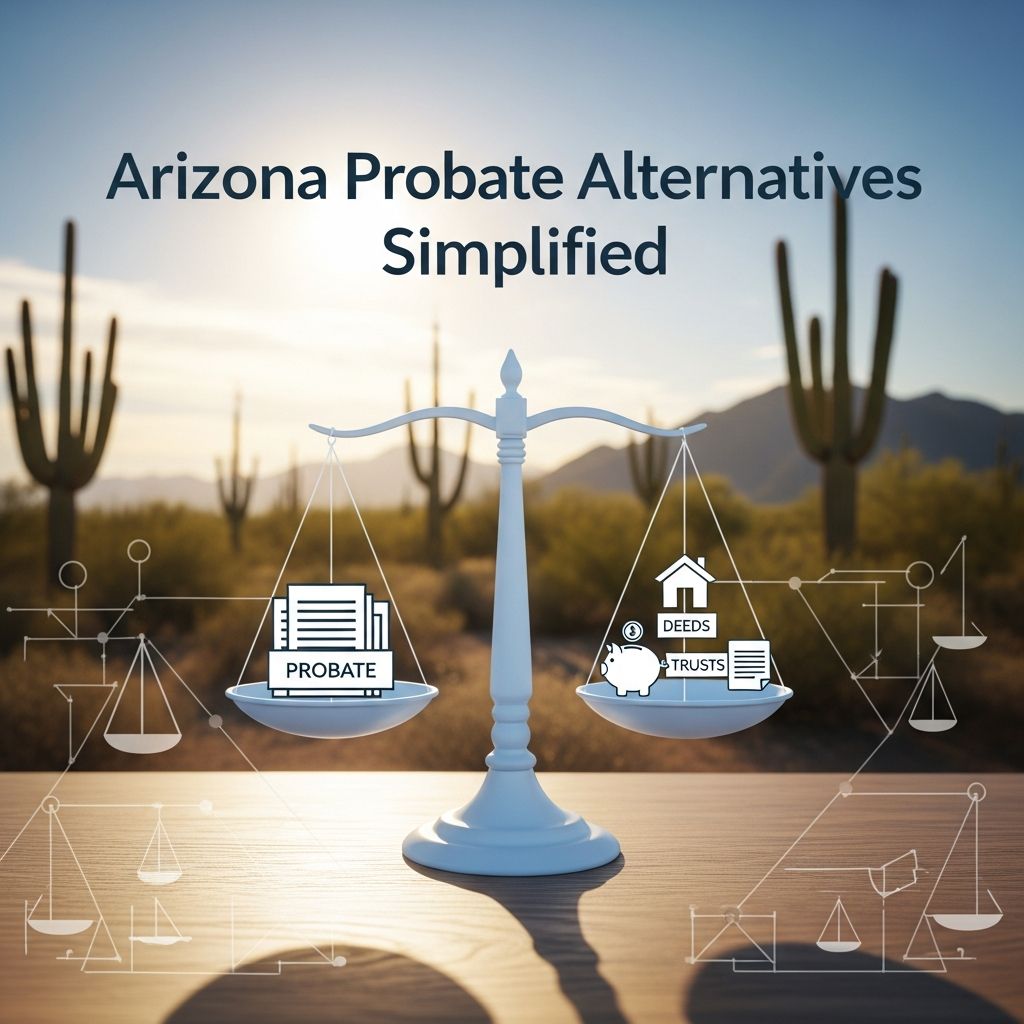
Navigating the aftermath of a loved one’s passing in Arizona often involves managing their estate through probate, but several streamlined options exist to avoid the full court’s intensive oversight. These alternatives prioritize speed, reduced costs, and minimal family disputes, making estate settlement more accessible for most situations.
Understanding Arizona’s Probate Landscape
Arizona law provides flexible pathways for estate administration, distinguishing between full court-supervised proceedings and quicker methods suitable for simpler cases. The state’s approach balances legal validation of wills with practical efficiency, allowing many estates to resolve without prolonged judicial involvement. Core to this is recognizing when traditional probate can be sidestepped entirely or simplified significantly.
Probate fundamentally serves to authenticate a decedent’s will, inventory assets, pay debts, and distribute remaining property to heirs. However, Arizona Revised Statutes outline exceptions that apply to smaller estates or those with non-probate assets, preventing unnecessary court filings. This framework encourages proactive estate planning to leverage these benefits.
Key Pathways to Skip Full Probate
Several mechanisms enable Arizona residents to transfer property post-death without entering formal probate. These include automatic transfers via beneficiary designations and affidavits for modest holdings, which courts recognize as valid without extensive review.
- Joint Ownership with Right of Survivorship: Property held in joint tenancy automatically passes to surviving co-owners, bypassing probate entirely. Common for real estate and bank accounts, this setup requires clear titling at acquisition.
- Beneficiary-Designated Accounts: Retirement plans like IRAs, life insurance policies, and payable-on-death (POD) bank accounts transfer directly to named beneficiaries upon death, independent of the will or probate court.
- Transfer-on-Death (TOD) Deeds: Arizona permits TOD designations for real property, allowing owners to name successors who inherit without probate. Filed with the county recorder, these become effective only at death.
- Revocable Living Trusts: Assets placed in a trust during life avoid probate as the successor trustee distributes them per trust terms, offering privacy and control.
These non-probate transfers are pivotal for efficiency, as they operate outside court jurisdiction, often finalizing within weeks rather than months or years.
Streamlined Procedures for Smaller Estates
For estates not qualifying for full avoidance, Arizona offers simplified court processes tailored to lower-value or uncontested scenarios, minimizing paperwork and fees.
Affidavit for Small Estates
Arizona’s small estate affidavit allows heirs to claim personal property up to $75,000 without probate if 30 days have passed since death and no formal proceedings are pending. Heirs or the personal representative swear to the document’s accuracy, detailing assets and distribution, then present it to banks or title companies for transfer. This self-help tool suits cash, vehicles, and household items but excludes real estate.
| Asset Type | Eligible Value Limit | Waiting Period |
|---|---|---|
| Personal Property (e.g., bank accounts, vehicles) | $75,000 | 30 days |
| Real Property (via affidavit) | Not eligible | N/A |
| With Will or Intestacy | Applies regardless | 30 days |
Inheritance Without Full Probate for Real Estate
Separate from personal property affidavits, Arizona provides an affidavit process for real estate valued under $100,000. Surviving spouses or heirs file an affidavit with the county recorder after six months, confirming entitlement and clearing title for sale or transfer. This avoids appointing an executor or court oversight. Requirements include no will contests and debt resolution.
Types of Probate Proceedings in Arizona
When shortcuts aren’t viable, Arizona categorizes probate into three levels based on complexity and disputes. Selection depends on estate size, will validity, and heir consensus.
| Probate Type | Court Involvement | Best For | Typical Duration |
|---|---|---|---|
| Informal | Minimal | Uncontested, valid will | 4-6 months |
| Formal | Moderate | Disputes or will challenges | 6-12 months |
| Supervised | Extensive | Complex assets or protection needs | 1+ years |
Informal Probate: Ideal for straightforward estates, this process appoints a personal representative without hearings if all parties agree. The representative inventories assets, notifies creditors, pays debts, and distributes property, filing a closing statement after four months. No judge approval is needed for routine actions.
Formal Probate: Triggered by will contests or unclear heirship, it involves court petitions, hearings, and oversight to resolve issues. Suitable for larger estates with potential conflicts.
Supervised Probate: Rare and intensive, required when creditors or heirs need protection. Every step—from asset sales to distributions—requires court orders.
Step-by-Step Guide to Arizona Probate Processes
Even in simplified probate, following statutory steps ensures compliance and avoids delays. Here’s the sequence for informal proceedings, the most common path.
- File the Will and Petition: Within 30 days of death, submit the original will and application for personal representative appointment to the superior court in the decedent’s county.
- Court Appointment: If unopposed, the court issues letters testamentary or of administration, granting authority.
- Notify Interested Parties: Send notice to heirs, devisees, and known creditors within 60 days.
- Inventory Assets: Compile a detailed list of property, values, and debts within 90 days.
- Manage Claims and Expenses: Pay valid creditor claims after the four-month period; file taxes.
- Distribute Assets: Transfer property per the will or intestacy laws once debts are cleared.
- Close the Estate: File a closing statement or petition, discharging the representative.
Intestacy applies sans will, prioritizing spouse, children, parents, and siblings per Arizona law.
Costs and Timelines Associated with Probate
Arizona probate fees include court filing (around $300-$400), publication notices, appraisals, and attorney rates (typically 2-4% of estate value). Informal processes keep costs under $5,000 for modest estates, versus $10,000+ for supervised ones. Timelines start at four months minimum for creditor claims, extending with disputes. Planning ahead via trusts or designations slashes these burdens.
Proactive Strategies to Minimize Probate Involvement
Estate planning attorneys recommend combining tools: fund living trusts fully, update beneficiaries annually, and use TOD for vehicles via MVD forms. For businesses, operating agreements can facilitate seamless transfers. Regular reviews post-life events like marriage or birth maintain efficacy.
Without planning, even small estates trigger probate if titled solely in the decedent’s name, underscoring the value of titling reviews.
Frequently Asked Questions (FAQs)
What is the threshold for Arizona’s small estate affidavit?
Affidavits handle personal property up to $75,000 after 30 days, excluding real estate.
Does real property qualify for probate shortcuts?
Yes, affidavits for homesteads under $100,000 allow transfer after six months without full probate.
How long must probate remain open in Arizona?
At least four months to allow creditor claims, though simple cases close sooner.
Can I avoid probate for an IRA in Arizona?
Absolutely, via direct beneficiary designation, transferring outside probate.
What if there’s no will in Arizona?
Intestacy laws govern, with spouse and children first; court appoints a representative.
Choosing the Right Path Forward
Assess estate composition early: non-probate assets first, then affidavits for remainders, reserving formal probate for complexities. Consulting a local attorney ensures tailored compliance with Arizona Revised Statutes, optimizing outcomes.
References
- What Happens During Probate in Arizona? A Breakdown of the Process — DBFWC Legal. 2023. https://www.dbfwclegal.com/what-happens-during-probate-in-arizona-a-breakdown-of-the-process/
- Arizona Probate Process: Requirements & Avoidance — Rilus Law. 2024. https://www.riluslaw.com/blog/arizona-probate-an-overview
- What Are the Steps in the AZ Probate Process? — Berk Law Group. 2024. https://berklawgroup.com/faq/what-are-the-steps-in-the-az-probate-process/
- How Probate Works in Arizona — Phelps LaClair. 2023. https://plestateplanning.com/how-probate-works-in-arizona/
- Arizona Probate: An Overview — Nolo. 2025. https://www.nolo.com/legal-encyclopedia/arizona-probate-an-overview.html
Similar Articles








Read full bio of medha deb


