
Arizona’s Push to Criminalize Online Trolling
Exploring how an Arizona bill to expand harassment laws to digital devices could reshape the boundaries of online speech and trolling.
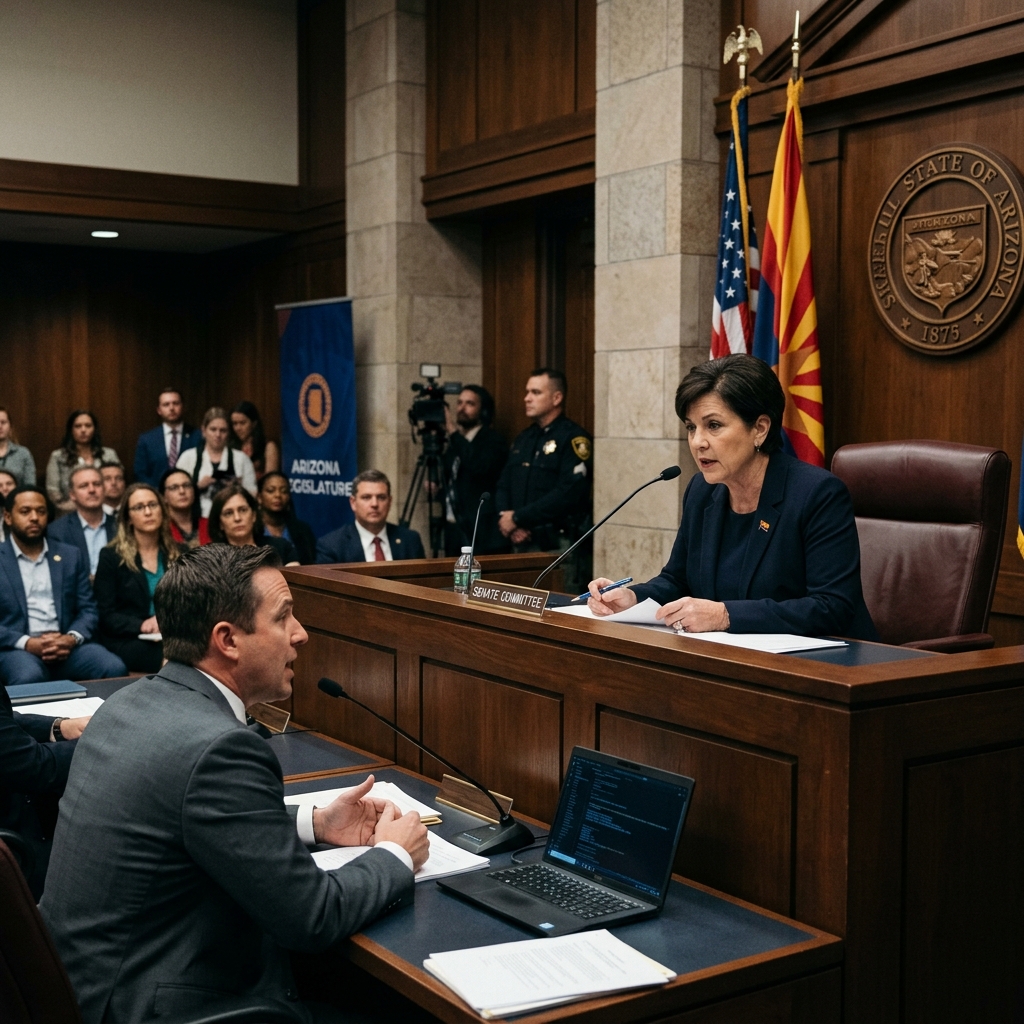
When does being a jerk online stop being obnoxious and start being illegal? Arizona’s effort to expand its harassment laws to cover digital communications forced courts, lawmakers, and citizens to confront this question in a concrete way. The proposal targeted conduct often associated with internet trolling, but it also raised concerns about criminalizing speech that is merely offensive or annoying.
This article explains what the Arizona bill sought to do, how it fits into broader trends around cyberbullying and online abuse, and why it sparked a debate over the limits of free expression on the internet.
From Telephone Harassment to Digital Misconduct
Arizona’s existing law on harassment originated in a world dominated by landline telephones, where harassing calls and threatening voicemails were the primary concern. Over time, communication technologies changed dramatically: text messaging, social media platforms, forums, and instant messaging became central to everyday life. Legislators concluded that a law limited to telephone calls no longer reflected how people harass or intimidate one another.
House Bill 2549 (HB 2549) aimed to update the statute by covering any electronic or digital device, rather than just traditional telephones. According to coverage of the bill, the revised language would make it unlawful for a person, with intent to terrify, intimidate, threaten, harass, annoy, or offend, to use an electronic or digital device to use obscene, lewd, or profane language, suggest a lewd or lascivious act, or threaten physical harm.
- Broader device coverage: Phones, computers, tablets, and other connected devices would be covered by the law, not only voice calls.
- Expanded conduct: The statute reached beyond direct threats to include obscene or profane language used with certain harmful intent.
- Intent requirement: The law focused on the user’s intention to terrify, intimidate, threaten, harass, annoy, or offend.
Supporters described the proposal as a way to modernize harassment law and address deliberate online abuse, especially in the context of cyberbullying and sustained digital harassment.
What Is Internet Trolling, Legally Speaking?
In everyday conversation, internet trolling refers to people who deliberately provoke, insult, or disrupt others online, often for amusement or attention. Not all trolling rises to the level of harassment or threats. Much of it is rude commentary, sarcasm, or inflammatory speech that remains protected under the First Amendment, even if many consider it distasteful. HB 2549 raised the question of how far the law can go in regulating such behavior.
Under Arizona’s broader framework for harassment and bullying, the law defines bullying and cyberbullying as harassing, threatening, or intimidating another person. Cyberbullying can be charged as a misdemeanor with penalties including jail time and fines, and repeated or aggravated conduct can escalate to a felony. HB 2549 sought to bring similar principles into the realm of general online communication, not just school-related bullying or narrow harassment statutes.
Trolling vs. Harassment: Key Distinctions
| Conduct | Typical Features | Legal Significance (General) |
|---|---|---|
| Ordinary trolling | Provocative, rude, or offensive comments aimed at stirring reactions or disrupting conversation. | Often protected speech unless it includes targeted threats, persistent harassment, or other unlawful elements. |
| Harassment | Repeated, targeted conduct directed at a specific person, causing substantial emotional distress or fear. | May be criminal when statutes define and prohibit harassing communications or stalking behavior. |
| Threats | Statements expressing an intention to cause physical harm or damage to property. | True threats can be prosecuted under criminal threat or intimidation laws and are not protected speech. |
| Cyberbullying | Harassing, threatening, or humiliating behavior using electronic devices, often among youth. | Specifically addressed by Arizona statutes, carrying potential jail time and fines. |
HB 2549 sat at the intersection of these categories. Critics argued that including intent to “annoy” or “offend” risked sweeping constitutionally protected trolling or abrasive commentary into criminal territory. Supporters emphasized the intent requirement and the focus on harmful, obscene, or threatening content.
How Arizona’s Proposal Would Have Worked
The bill treated violations as a Class 1 misdemeanor, which can carry up to six months in jail and fines under Arizona law. Similar penalties already apply to certain harassment and cyberbullying offenses. The idea was to give law enforcement a tool to address serious online abuse that falls short of physical violence but still causes significant harm.
Because HB 2549 was drafted as an update to telecommunications law, it was not limited to private, person-to-person messages. Commentators pointed out that, on its face, the language could reach any open communication using an electronic device, including public comments on social media or in forums, if prosecutors argued that they were intended to harass or offend.
Potential Applications
- Harassing text campaigns: Repeated obscene or threatening text messages directed at a single person.
- Targeted social media abuse: Posts or messages aimed at intimidating or terrifying a specific individual, including doxxing or direct threats.
- Obscene emails: Lewd messages sent with intent to harass or offend, especially in workplace or school contexts.
- Cross-platform harassment: Conduct that moves across apps and devices, from direct messages to public posts, maintaining a pattern of abuse.
In practice, effective enforcement would require careful attention to context: distinguishing between heated debate, offensive jokes, persistent harassment, and genuine threats.
Free Speech Concerns and Constitutional Limits
The broad wording of HB 2549 triggered significant criticism from free speech advocates, legal commentators, and technology observers. Including “annoy” and “offend” among the prohibited intents suggested that speech could be criminalized merely because it upset someone, regardless of whether it posed a serious risk of harm.
According to coverage by major outlets, critics argued that the bill risked violating principles protecting offensive or controversial speech, which the U.S. Supreme Court has repeatedly held to be part of the core of the First Amendment. Lawmakers and the bill’s sponsors responded that their goal was to target true harassment and cyberbullying, not ordinary internet debate or satire.
Key Constitutional Tensions
- Vagueness: Terms like “annoy” and “offend” can be subjective; a statute that punishes them may be challenged for being too vague.
- Overbreadth: If a law punishes a wide range of speech, including protected expression, it may be considered overbroad.
- True threats vs. offensive speech: True threats are not protected, but satire, parody, and crude jokes often are.
- Chilling effect: Broad laws may discourage people from speaking out online for fear of prosecution, even when their speech is lawful.
These concerns drove much of the debate over Arizona’s attempt to regulate trolling and led to calls for narrower, more precise language focused on clearly unprotected conduct like threats, serious harassment, and stalking.
Cyberbullying and the Case for Stronger Protections
Supporters of measures like HB 2549 often point to the real harms caused by cyberbullying, harassment, and intimidation online, especially among minors. Arizona resources for youth note that cyberbullying can result in criminal charges, with penalties including jail time, fines, and even prison for repeat or severe offenses. Law enforcement and prosecutors emphasize that digital harassment can be as harmful as face-to-face bullying, contributing to anxiety, depression, and, in extreme cases, self-harm.
Local authorities recommend a combination of legal responses and practical strategies to address cyberbullying:
- Reporting abuse: Youth are encouraged to tell trusted adults and, when safety is at risk, contact emergency services.
- Documenting evidence: Keeping screenshots, chat logs, and records of dates and times helps law enforcement build cases.
- Blocking and privacy tools: Using platform settings to block bullies and limit who can contact or view profiles.
- Involving schools and platforms: Reporting violations to school administrators and to social media companies through “report abuse” mechanisms.
- Mental health support: Seeking help from counselors and crisis hotlines when harassment leads to emotional distress.
HB 2549, viewed in this context, was part of a broader move to give authorities stronger tools to respond to serious online misconduct while technology platforms develop their own enforcement systems.
International and Comparative Perspectives on Trolling Laws
Arizona’s debate did not occur in isolation. Other jurisdictions have considered or adopted harsher penalties for online trolling and abusive communications. For example, proposals in the United Kingdom have contemplated increasing maximum sentences for individuals convicted of severe online abuse, including threats and sustained harassment. These discussions often revolve around balancing protection from harm with core speech rights and ensuring laws are narrowly tailored.
Comparative examples highlight several different approaches:
- Specific offenses for online communications: Some countries create distinct crimes for grossly offensive or menacing online posts.
- Updates to traditional harassment laws: Like Arizona’s HB 2549, some jurisdictions simply extend older laws to cover modern technology.
- Platform-driven enforcement: Governments may encourage or require social media companies to remove abusive content quickly and cooperate with investigations.
These varied approaches show that there is no single model for regulating trolling; each legal system navigates its own balance between safety and freedom online.
Practical Guidance: Staying Within the Law Online
Whether or not HB 2549 ultimately became law in its proposed form, it underscores general principles that internet users should keep in mind. Conduct that crosses the line into targeted harassment, threats, or persistent intimidation can be subject to criminal penalties, particularly when directed at minors or vulnerable individuals.
For Everyday Users
- Avoid directing obscene or threatening messages at specific individuals, especially repeatedly.
- Disagree respectfully; heated debate is allowed, but personal attacks and intimidation may create legal risk.
- Think carefully before sharing or amplifying abusive content aimed at someone else.
- Use platform tools to block, mute, or report users who cross the line into harassment.
For Parents and Guardians
- Discuss privacy and safety with children, including what information and images should never be shared online.
- Talk through scenarios—such as cyberbullying or unwanted contact—and rehearse how to respond.
- Document harmful content and contact local law enforcement or dedicated reporting lines if serious abuse occurs.
- Seek guidance counselors or mental health professionals when online harassment affects a child’s wellbeing.
FAQs: Arizona, Online Trolling, and the Law
Does Arizona consider cyberbullying a crime?
Yes. Arizona law treats certain forms of cyberbullying as criminal harassment, typically a misdemeanor with possible jail time and fines, and more severe penalties for repeat or aggravated offenses.
Would ordinary rude comments online be illegal under HB 2549?
The bill raised concerns because its wording included intent to “annoy” or “offend,” which could potentially reach rude or provocative comments. However, enforcement would likely focus on more serious harassment and threatening behavior, and any application would have to meet constitutional standards.
Why did free speech advocates criticize the bill?
Critics argued that the law was too broad and vague, risking criminalization of protected expression that is merely offensive or controversial. They worried about a chilling effect on online speech and called for narrower language focusing on threats and harassment.
How can victims of online harassment in Arizona seek help?
Victims can document the abuse, block the harasser, report violations to platforms, involve school officials when appropriate, and contact local law enforcement. Guidance from Arizona resources emphasizes keeping records and seeking support from trusted adults and mental health professionals.
Are other places also increasing penalties for online trolling?
Yes. Some jurisdictions, including proposals in the United Kingdom, have considered tougher penalties for severe online abuse, such as longer prison terms for individuals convicted of serious trolling or threats.
References
- Internet Trolling (Or Being a Jerk Online) May Soon Be Illegal in AZ — FindLaw. 2012-04-02. https://www.findlaw.com/legalblogs/technologist/internet-trolling-or-being-a-jerk-online-may-soon-be-illegal-in-az/
- Cyberbullying — LawForKids.org / Arizona Foundation for Legal Services & Education. 2021-08-01 (approx.). https://lawforkids.org/know-your-rights/laws/bullying/cyberbullying
- Internet Safety — Maricopa County Attorney’s Office. 2023-05-10 (approx.). https://maricopacountyattorney.org/393/Internet-Safety
- Arizona Outlawing Trolls… on the Internet — Fordham Intellectual Property, Media & Entertainment Law Journal Blog. 2012-04-05. https://fordhamiplj.org/2012/04/05/arizona-outlawing-trolls-on-the-internet/
- Arizona Looks to Outlaw Internet Trolling — TIME. 2012-04-04. https://time.com/archive/7236117/arizona-looks-to-outlaw-internet-trolling/
- Sponsor: Arizona bill isn’t aimed at Internet trolls — CNN. 2012-04-04. https://www.cnn.com/2012/04/04/tech/web/internet-trolls-arizona-law
- The U.K. Considers Harsher Penalties for Online Trolling — North Carolina Journal of Law & Technology Blog. 2014-10-23. https://journals.law.unc.edu/ncjolt/blogs/trololololegislation-the-u-k-considers-harsher-penalties-for-online-trolling/
Similar Articles








Read full bio of medha deb


