
Arbitration Clauses in Contracts Explained
Discover how arbitration clauses shape dispute resolution in contracts, their benefits, risks, and drafting essentials for businesses and individuals.
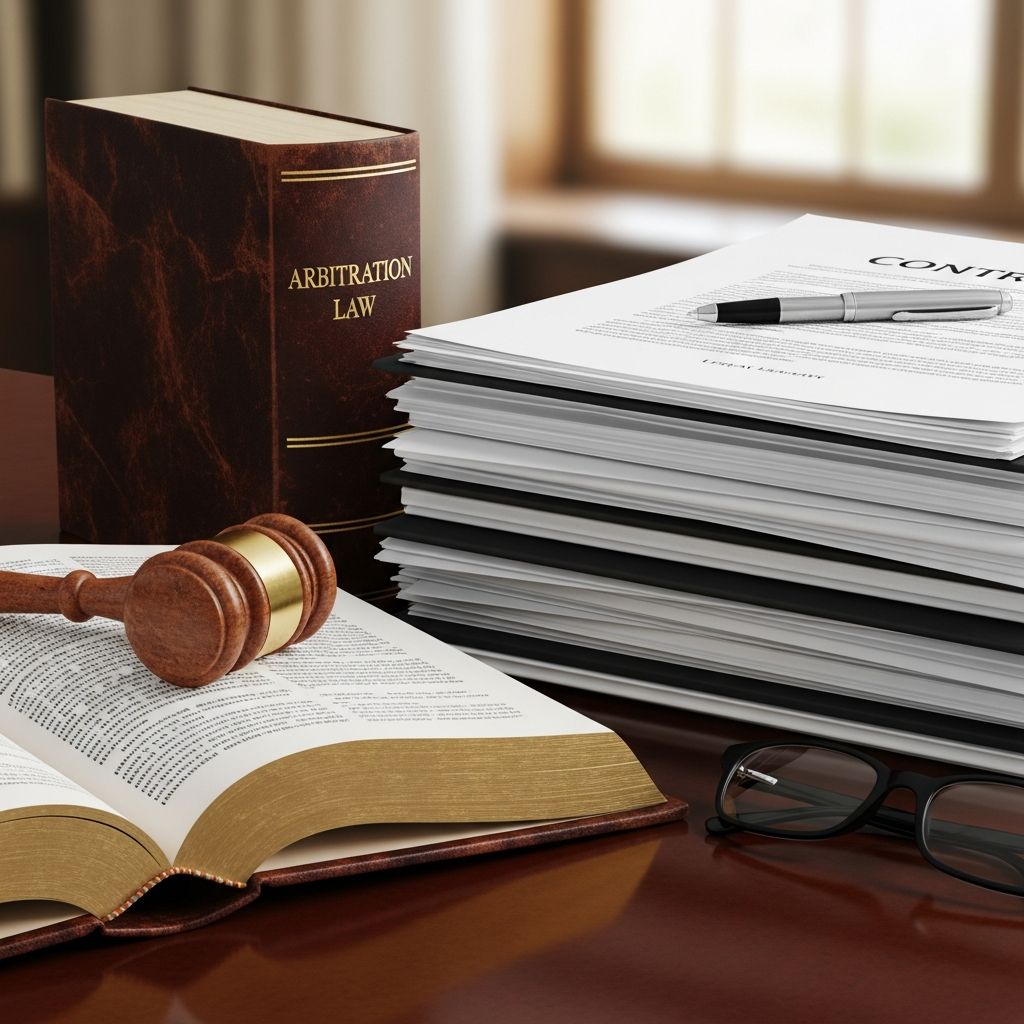
Arbitration clauses serve as predefined mechanisms in contracts to handle potential conflicts outside traditional court systems, offering a streamlined path to resolution.
Defining Arbitration and Its Role in Agreements
At its core, an arbitration clause mandates that parties resolve disputes through arbitration—a private, neutral process where an impartial third party reviews evidence and issues a decision. Unlike court litigation, which is public and follows strict procedural rules, arbitration emphasizes efficiency and confidentiality. These clauses are embedded in contracts to preemptively agree on this method, ensuring disputes “arising from or related to” the agreement bypass lawsuits.
Parties can opt for binding arbitration, where the arbitrator’s ruling is final and enforceable by courts, or non-binding, allowing either side to pursue litigation afterward. Binding versions dominate commercial and consumer contracts due to their finality.
Key Advantages of Including Arbitration Provisions
Businesses and individuals favor arbitration clauses for several compelling reasons. First, proceedings typically conclude faster than court cases, often within months rather than years, reducing delays in business operations. Costs are generally lower, as there’s no need for extensive discovery or jury trials, though arbitrator fees can add up in complex matters.
Confidentiality protects sensitive information, preventing public disclosure that could harm reputations or reveal trade secrets—crucial in industries like technology or finance. Parties also gain control: they select arbitrators with relevant expertise, choose venues, and tailor rules to fit the contract’s needs.
- Speed: Resolutions in 6-12 months versus 2+ years in court.
- Cost Savings: Avoids high litigation expenses like depositions.
- Expertise: Arbitrators can be industry specialists, e.g., patent lawyers for IP disputes.
- Flexibility: Customizable schedules and procedures.
Potential Drawbacks and Criticisms
Despite benefits, arbitration clauses face scrutiny, particularly in consumer and employment contexts. Critics argue they favor powerful entities, as “take-it-or-leave-it” contracts limit individual bargaining power, waiving rights to jury trials and class actions. Appeals are rare, overturned only for fraud, corruption, or arbitrator bias—not legal errors.
Awards don’t create precedents, limiting broader legal impact, and proceedings may lack transparency, raising fairness concerns. In employment, clauses once covered sexual harassment but are now unenforceable for such claims under federal law.
| Aspect | Arbitration | Litigation |
|---|---|---|
| Speed | Faster | Slower |
| Cost | Lower upfront | Higher |
| Confidentiality | High | Low (public record) |
| Appeal Rights | Limited | Broad |
| Class Actions | Often Prohibited | Allowed |
How to Draft an Effective Arbitration Clause
Crafting a robust clause requires precision to ensure enforceability and alignment with parties’ intentions. Start with broad language covering disputes “arising out of or relating to this agreement,” but specify exclusions if needed, like statutory claims.
Designate an administering body like the American Arbitration Association (AAA) or JAMS, which provide standardized rules. Outline arbitrator qualifications—e.g., “a retired judge or attorney with 10+ years in construction law”—and panel size (single or three-arbitrator).
Include provisions for mediation as a precursor: “Parties agree to mediate under AAA rules before arbitration.” Address costs, location, and award details, such as written explanations and fee allocations.
Sample Basic Clause:
Any dispute arising from this contract shall be resolved by binding arbitration under AAA Commercial Rules in [City, State]. The arbitrator shall have expertise in [industry]. The prevailing party shall recover reasonable attorneys’ fees.
Enforceability Challenges and Legal Limits
Courts generally uphold well-drafted clauses, but violations of public policy or unconscionability can render them invalid. For instance, clauses conflicting with consumer protection laws or imposing excessive fees may be struck down. Post-dispute agreements require mutual consent, differing from preemptive clauses.
Federal laws like the Federal Arbitration Act promote enforceability, but exceptions exist for employment sexual assault claims. Parties naming biased arbitrators risk challenges, so neutrality is key.
Arbitration in Specific Contract Types
Commercial Agreements
In B2B contracts, clauses often include mediation-arbitration hybrids for efficiency. Construction deals specify industry rules to leverage expert arbitrators.
Consumer and Employment Contracts
Prevalent in terms of service, these clauses bind consumers but sometimes allow companies court access, creating imbalance. Awareness is vital before signing.
Intellectual Property Matters
Clauses can cover IP disputes, but patents may require specific wording or fall under statutory exceptions.
Strategic Considerations for Businesses
Companies should weigh arbitration’s speed against limited appeals and assess industry norms. Tailor clauses to high-value deals and train teams on implications. For consumers, scrutinize fine print and seek modifications if possible.
Frequently Asked Questions
What if one party refuses arbitration?
The refusing party breaches the contract, allowing the other to seek court enforcement of the clause.
Can clauses be added after a dispute?
Yes, via post-dispute agreement, but both must consent voluntarily.
Are arbitration outcomes public?
No, they remain confidential unless parties agree otherwise.
Who pays arbitration costs?
Clauses often specify sharing or award to the prevailing party; AAA rules provide defaults.
Does arbitration apply to all claims?
No, exclusions for certain statutory rights or public policy violations may apply.
Best Practices for Negotiating Clauses
Always review clauses thoroughly. Negotiate symmetry (both parties bound equally), reasonable costs, and opt-out windows. Consult attorneys for complex deals to avoid pitfalls.
In summary, arbitration clauses offer efficient dispute resolution but demand careful drafting to balance efficiency with fairness. Well-implemented, they foster stable contractual relationships.
References
- What is an Arbitration Clause? — Sirion. 2024. https://www.sirion.ai/library/contract-clauses/arbitration-clause/?src=careers
- What is an Arbitration Clause? — DocuSign Blog. 2023-10-12. https://www.docusign.com/blog/arbitration-clause
- Arbitration Clauses in Contracts — Nolo. 2024. https://www.nolo.com/legal-encyclopedia/arbitration-clauses-contracts-32644.html
- Arbitration Clauses in Everyday Contracts — CLA Legal. 2023. https://clalegal.com/arbitration-clauses-in-everyday-contracts-what-they-are-and-why-theyre-everywhere/
- Arbitration & Mediation Clauses — American Arbitration Association. 2024. https://www.adr.org/clause-drafting/
- Understanding Arbitration Clauses: Key Facts for Businesses — JR Gattorneys. 2024-10. https://www.jrgattorneys.com/blog/2024/october/understanding-arbitration-clauses-key-facts-for-/
- ADR Clause Workbook — JAMS. 2024. https://www.jamsadr.com/clauses
Similar Articles








Read full bio of Sneha Tete


