
Animals as Crime Victims, Not Mere Property
Exploring how modern law is beginning to recognize abused animals as true crime victims rather than just damaged property.
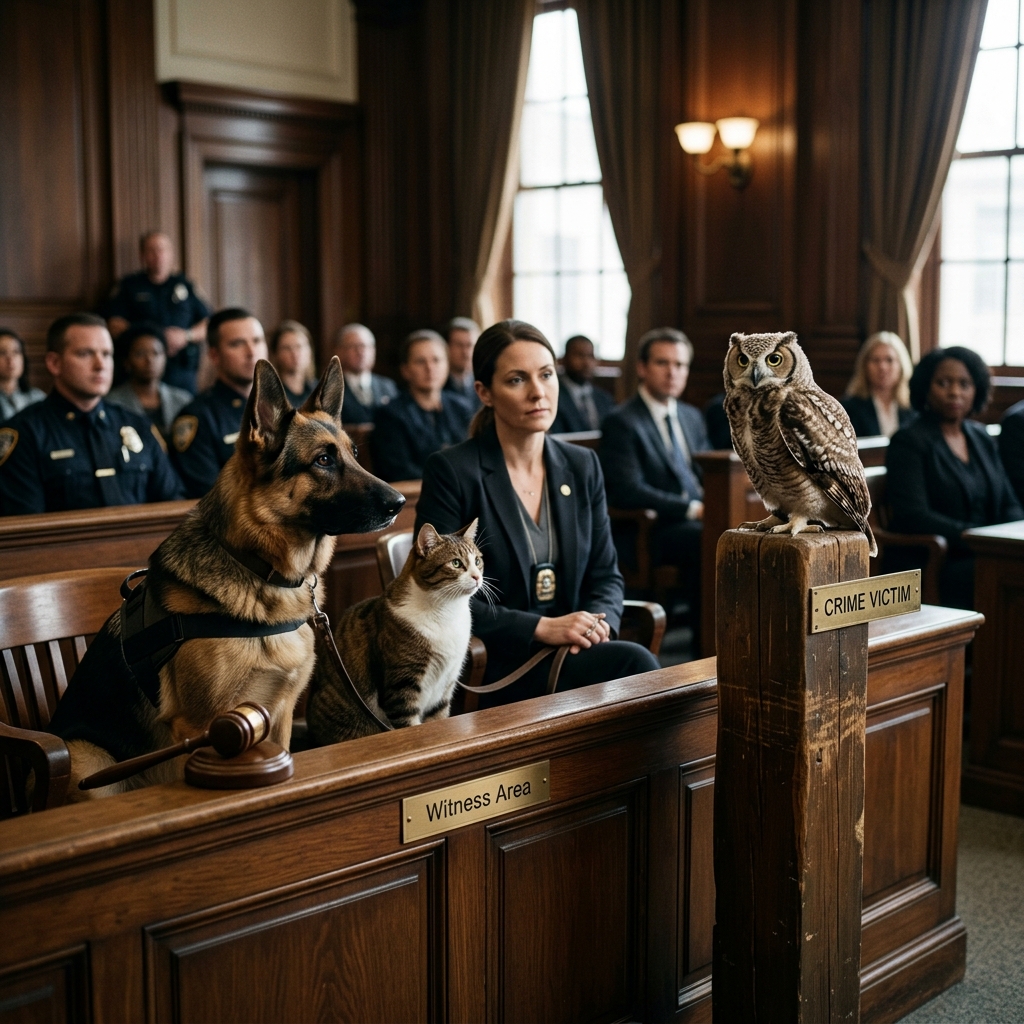
For centuries, legal systems have largely treated animals as possessions, similar to furniture or cars. Yet growing evidence of animal sentience, emotional complexity and capacity for suffering has driven a powerful question: should abused animals be recognized as crime victims in their own right, rather than simply damaged property? Recognizing animals as victims would fundamentally change how courts, police and communities respond to cruelty cases, and could unlock new protections for millions of animals worldwide.
From Property to Victimhood: Why Legal Status Matters
In almost all jurisdictions in the United States, animals are still formally categorized as property under the law. This means that, at a basic level, harm to an animal is often treated as harm to the owner’s asset rather than injury to a sentient being with independent interests. Anti-cruelty statutes do exist, and they prohibit inflicting unjustified pain, suffering, or death on animals and require owners to provide adequate care. However, property status still shapes how cases are investigated, prosecuted and sentenced.
Legal scholars and advocates argue that animals subjected to cruelty or neglect should instead be treated as crime victims, similar to human victims. This change is more than symbolic. In many systems, the category of “crime victim” triggers specific rights and protections—such as being recognized in court, having their interests considered at sentencing, and allowing advocates to speak on their behalf.
Victims of Crime vs. Crime Victims
A crucial distinction has emerged in legal analysis. Many animals are clearly victims of crime in an everyday sense: they suffer because someone violates criminal law. But not all of these animals are legally recognized as crime victims, a term that often carries formal consequences under statutes or constitutions.
- Victims of crime: any beings harmed when a person commits a criminal act, such as animal cruelty or neglect.
- Crime victims (legal category): those specifically acknowledged in law as victims and granted defined rights, input, or protections in the criminal justice process.
For animals, moving from the first to the second category is at the core of current reform debates.
Animal Sentience and the Ethical Foundation for Reform
Developments in science and ethics underpin calls to recognize animals as crime victims. Modern research has documented that many species experience pain, stress, fear, and complex emotional states. This has led legislators and bar associations to propose legal recognition of animal sentience and corresponding protections.
For example, a New York proposal supported by the New York City Bar Association would explicitly state that animals are sentient beings able to feel pain, stress and fear and that they must be treated humanely. The proposal goes further by specifying that animals should be considered the victims of animal cruelty crimes and treated accordingly in court. Such measures seek to align law more closely with scientific understanding and public moral concern.
Key Ethical Arguments
- Capacity to suffer: Because animals can experience pain and distress, harms inflicted through cruelty or neglect are morally significant and should be recognized legally.
- Individual interests: Each animal has its own welfare interests that can diverge from those of human owners or the state, warranting distinct legal recognition.
- Visibility of harm: Treating animals solely as property risks making their suffering legally and socially invisible, especially in cases involving large numbers of animals.
These arguments support the shift from seeing cruelty as damage to property toward seeing it as violence against a vulnerable victim.
How Current Law Handles Animal Cruelty Cases
Even while animals are classified as property, most jurisdictions have anti-cruelty laws and specific procedures for handling cases involving animal victims. These frameworks offer important protections, but they also reveal the limits of property-based thinking.
Seizure and Care of Abused Animals
When authorities suspect cruelty or severe neglect, they can often remove animals from dangerous situations using search warrants or under emergency circumstances to provide urgent aid. Once seized, animals are typically housed and treated by law enforcement agencies or partner organizations, such as humane societies and shelters.
However, because animals are considered property, whether they will be removed at all can depend on how the law balances the owner’s rights with the animal’s welfare. In practice, this can mean that some abused animals remain with their alleged abusers, at least temporarily, if the legal threshold for seizure is not met.
Animals as Living Evidence
Animal cruelty prosecutions have a unique feature: the victim is also physical evidence of the crime. For human victims, medical records, testimony and forensic documentation usually stand in as evidence, while the person is treated foremost as an individual needing care. With animals, courts must juggle both roles.
The evidentiary value of animal victims is often transient. Conditions such as injuries, malnutrition or behavioral signs may change quickly once treatment begins. Therefore, the crucial evidence must be documented as soon as possible after seizure through veterinary examinations, photographs and other records.
Costs, Restitution and Forfeiture
Caring for seized animals during a criminal case can be expensive. Many jurisdictions have mechanisms to:
- Seek funds to cover the cost of housing and treatment for animals while the case proceeds.
- Require owners to pay these costs or face forfeiture of the animals.
- Order restitution for outstanding costs after conviction or successful prosecution.
These provisions help ensure that the financial burden of protecting animals does not fall solely on shelters or taxpayer-funded agencies.
Why Formal Crime Victim Status Matters
Legal scholars argue that formally recognizing animals as crime victims can make their interests more visible and provide substantive rights within the justice system. This shift would change who is considered a party in criminal cases and how decisions are made.
| Aspect | Animals as Property | Animals as Crime Victims |
|---|---|---|
| Primary legal focus | Owner’s rights and asset damage | Animal’s suffering and welfare |
| Recognition in court | Rarely recognized as a party; treated as evidence | Recognized as victims whose interests must be considered |
| Rights and protections | Limited to general cruelty prohibitions | Potential for specific victim rights and safeguards |
| Advocacy role | Focus on prosecution and property remedies | Inclusion of guardians or advocates for the animal |
Some legal analyses envision criminal cases as involving three parties: the state, the defendant, and the animal victim, each with their own interests. This model parallels the evolution of human victims’ rights law and emphasizes that animals are more than mere evidence or property; they are individuals whose welfare needs must be addressed.
Emerging Legal Recognition and Reform Efforts
Although no federal law in the United States currently recognizes animals as crime victims, important developments have occurred at the state level and in policy debates.
Oregon’s Landmark Decisions
Oregon has been widely cited as a leading jurisdiction in recognizing animals as crime victims. In cases such as State v. Nix, the state’s supreme court affirmed that animals can be treated as victims under certain statutes, allowing multiple counts of cruelty where multiple animals are harmed. This approach acknowledges each animal as an individual victim rather than collapsing their suffering into a single offense.
Legal commentators note that this recognition enables law enforcement and prosecutors to better reflect the scope of harm in large-scale cruelty cases, such as neglect of many animals or abuse on industrial farms.
Proposed Statutory Recognition of Sentience and Victim Status
The New York bill supported by the New York City Bar Association exemplifies legislative efforts to codify animal sentience and victim status. It would state that animals:
- Are capable of experiencing pain, stress and fear.
- Must be treated humanely to protect them from these experiences at human hands.
- Shall be considered victims of animal cruelty crimes and treated as such in courts of law.
If enacted, New York would become the first U.S. state to statutorily recognize animals as crime victims, going beyond case law and setting a broader precedent.
Advocacy and Policy Development
Legal advocacy organizations have produced extensive resources examining how crime victims’ rights concepts can apply to animals. These works explore constitutional and statutory frameworks, practical implications for policing and prosecution, and the potential for court-appointed advocates. They emphasize that shifting legal categories is only effective if backed by training, resources and institutional commitment.
Practical Implications for Courts and Enforcement
Recognizing animals as crime victims has practical consequences across the criminal justice system, affecting how cases are investigated, litigated and resolved.
Transparency and Counting Victims
Studies of animal cruelty cases have found that legal systems often fail to count animals as individual victims, especially when many animals are harmed in a single case. For example, dozens of animals may be neglected or abused, but the charges may be consolidated into a small number of counts, obscuring the scale of harm.
Advocates suggest that formally treating animals as victims would encourage better data collection, including:
- Recording each animal as a separate victim in case files.
- Publishing more detailed prosecution statistics on animal cruelty.
- Making patterns of abuse more visible to policymakers and the public.
Balancing Owner Rights and Animal Safety
Property status can result in courts giving significant weight to an owner’s right to retain animals, sometimes even when neglect has been proven. Recognizing animals as crime victims would shift focus toward their safety and wellbeing, potentially making removal or forfeiture more straightforward when necessary to protect the animals.
Sentencing and Proportionality
When animals are not treated as independent victims, sentencing may not fully reflect the seriousness of the harm. Comparative cases indicate that lethal violence against animals is not always punished more harshly than non-lethal harm, despite the gravity of killing a sentient being. Treating animals as victims allows courts to consider:
- The number of animals harmed.
- The severity and duration of suffering.
- The vulnerability and dependency of the animals.
This can support sentences that better match the nature and impact of the crime.
Potential Rights and Protections for Animal Crime Victims
Legal scholars and advocates have proposed various rights and safeguards that could follow from recognizing animals as crime victims. While frameworks differ, common themes include dignity, representation and protection from ongoing harm.
- Right to humane treatment and dignity: Ensuring that animals rescued in cruelty cases are housed, treated and handled in ways that respect their welfare.
- Right to legal representation or guardianship: Allowing trained advocates or guardians to appear in court and articulate the animal’s interests, similar to guardians ad litem in human cases.
- Right to protection from alleged abusers: Facilitating removal, no-contact orders or permanent rehoming when returning animals would place them back in danger.
- Right to recognition in sentencing: Requiring courts to explicitly consider the animals’ suffering, number and vulnerability when determining penalties.
These rights would not necessarily make animals “persons” in the full legal sense, but they would provide targeted protections appropriate to their situation as sentient, dependent beings.
Challenges and Critiques of Reclassification
Transforming animals from property to crime victims raises complex legal and practical questions. Critics and cautious supporters point to several challenges:
- Doctrinal fit: Existing criminal statutes and constitutional provisions were drafted with human victims in mind. Extending them to animals may require careful reinterpretation or new legislation.
- Scope of species: Determining which animals qualify as victims—companion animals, farmed animals, wildlife—raises contentious ethical and political debates.
- Resource constraints: Providing advocates, specialized veterinary evidence and long-term care for animal victims can be costly, demanding sustainable funding mechanisms.
- Interaction with property law: Many human interests, including livelihoods in farming or research, are structured around animals as property. Reform must navigate these realities without creating unintended legal conflicts.
Despite these challenges, proponents argue that incremental measures—such as court-appointed animal advocates and improved data collection—can help systems adapt while broader reforms are debated.
Looking Ahead: Integrating Animal Victims’ Rights into Justice Systems
The movement to recognize animals as crime victims reflects a wider trend: the law is gradually acknowledging the moral significance of animal suffering and the need to protect vulnerable beings. Emerging models from places like Oregon and proposed statutes in New York demonstrate that criminal law can evolve to incorporate animal sentience and victimhood.
Future development is likely to focus on:
- Refining statutory definitions of crime victims to include animals explicitly.
- Expanding court-appointed animal advocate programs to give animals a voice in proceedings.
- Strengthening cross-disciplinary collaboration among law enforcement, veterinarians, mental health professionals and animal protection organizations to address cruelty as a serious form of violence.
- Improving public awareness that animal cruelty is not a minor property offense but a serious crime with broader implications for community safety.
As these efforts progress, legal systems may come to recognize three distinct parties in animal cruelty cases: the state, the defendant and the animal victim. This perspective promises a more complete account of harm and a more humane response to it.
Frequently Asked Questions (FAQs)
Are animals legally considered crime victims today?
In most jurisdictions, animals are still legally classified as property, not as crime victims, although they benefit from anti-cruelty laws. Oregon has recognized animals as victims under certain statutes, and proposals like the New York bill aim to codify victim status more broadly.
What is the difference between owning an animal and recognizing it as a victim?
Ownership reflects property rights, such as control and responsibility. Recognizing an animal as a victim focuses on its capacity to suffer and its independent welfare interests when harmed. Victim recognition does not automatically remove ownership but can limit an owner’s rights when those rights conflict with the animal’s safety.
Would treating animals as crime victims change how cases are prosecuted?
Yes. Prosecutors could file charges that better reflect the number and severity of harms, courts could consider animal suffering more systematically at sentencing, and advocates might participate to represent the animals’ interests. This would move cruelty cases closer to models used in human victim law.
Does recognizing animals as victims mean they become legal persons?
Not necessarily. Many reform proposals focus on granting specific rights and protections to animals as victims without fully classifying them as persons. The goal is to acknowledge their sentience and vulnerability, not to equate them entirely with humans in all areas of law.
How can communities support stronger protections for animal victims?
Communities can support legislative reforms recognizing animal sentience and victim status, encourage transparent reporting of cruelty cases, back court-appointed advocate programs, and ensure local shelters and law enforcement have the resources needed to investigate and respond to cruelty effectively.
References
- Recognizing Animals As Individual Victims Of Crime — Faunalytics. 2022-03-01. https://faunalytics.org/recognizing-animals-as-individual-victims-of-crime/
- Defining Animals as Crime Victims — Animal Legal & Historical Center, Michigan State University College of Law. 2011-01-01. https://www.animallaw.info/article/defining-animals-crime-victims
- Position Statement on Protection of Animal Cruelty Victims — ASPCA. 2016-05-01. https://www.aspca.org/about-us/aspca-policy-and-position-statements/position-statement-protection-animal-cruelty-victims
- Support for the Recognition of Animal Sentience — New York City Bar Association. 2021-06-01. https://www.nycbar.org/reports/support-for-the-recognition-of-animal-sentience/
- Animals as Crime Victims — UOW Open Access Journals (Australian Society for Victimology Journal). 2022-01-01. https://www.uowoajournals.org/asj/article/1547/galley/1487/download/
- Crime Victims’ Rights: Critical Concepts for Animal Rights — Animal Law Review, Lewis & Clark Law School. 2001-01-01. https://lawcommons.lclark.edu/alr/vol7/iss1/5/
- Animals as Crime Victims — Edward Elgar Publishing. 2023-01-01. https://www.e-elgar.com/shop/gbp/animals-as-crime-victims-9781802209877.html
Similar Articles








Read full bio of medha deb


