
Can Airlines Remove You For Body Odor? What To Know
Discover if airlines can legally remove passengers for strong odors, recent policy shifts, and your passenger rights during conflicts.
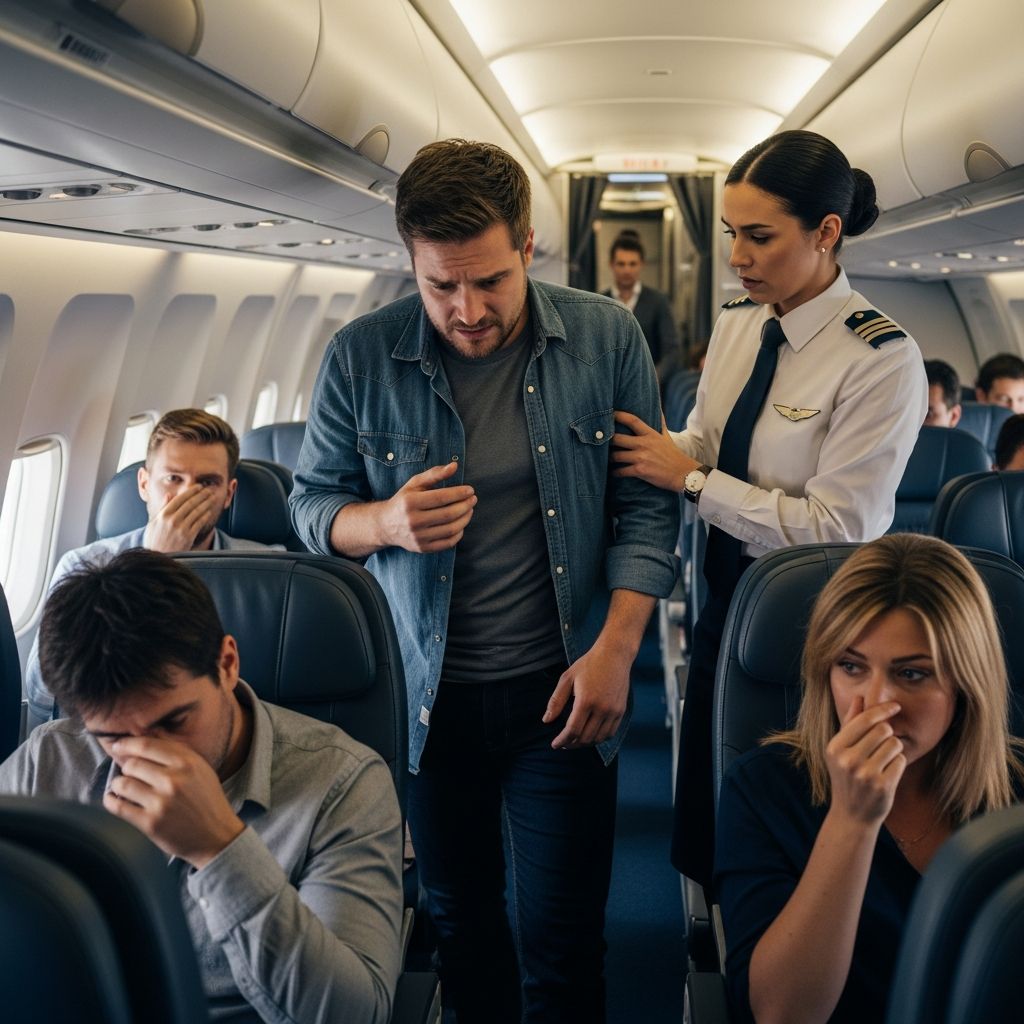
Airlines hold the authority to remove passengers from flights if they emit an offensive odor that disrupts the travel experience, as outlined in their conditions of carriage. These legal agreements, accepted upon ticket purchase, prioritize the comfort and safety of all onboard individuals. However, recent policy adjustments at major carriers like American Airlines have introduced stricter protocols, requiring multiple crew confirmations and customer complaints before action, largely in response to high-profile discrimination allegations.
Understanding Airline Contracts of Carriage
The foundation of an airline’s ability to deny boarding or remove passengers rests in the conditions of carriage, a binding contract detailed on every ticketed itinerary. This document explicitly permits refusal of service for passengers whose hygiene compromises others’ well-being. For instance, American Airlines’ policy states the carrier reserves the right to remove individuals with offensive odors not linked to disabilities or illnesses, grouping this alongside prohibitions on intoxication or disruptive behavior.
Similar provisions appear across competitors: Delta, United, Southwest, and JetBlue all include clauses allowing ejection for smells severe enough to affect health or safety. These rules align with Federal Aviation Administration (FAA) guidelines, which empower crews to act if odors threaten passenger welfare. The rationale is clear—confined cabin spaces amplify scents, potentially causing nausea or conflicts mid-flight.
- Key elements in conditions of carriage: Offensive odor clauses often exclude medical causes protected under the Americans with Disabilities Act (ADA).
- Enforcement triggers: Crew discretion historically applied, but now layered with oversight.
- Legal backing: Courts uphold these contracts as passengers consent by flying.
High-Profile Incidents Sparking Policy Overhauls
A pivotal event in January 2024 involved eight Black men removed from an American Airlines flight from Phoenix to New York due to a flight attendant’s body odor complaint. The passengers, unacquainted and scattered throughout the cabin, faced deplaning, delaying the flight by an hour. They were later reboarded, but the incident led to crew suspensions, an NAACP discrimination charge, and a lawsuit by three affected individuals alleging racial bias.
American Airlines CEO Robert Isom addressed staff, expressing disappointment over procedural failures. This case highlighted risks of subjective judgments, prompting a manual revision. No evidence linked the odor to the group, fueling claims of profiling. Such episodes underscore tensions between hygiene enforcement and equity, pushing airlines toward standardized responses.
| Incident Details | Outcome | Policy Impact |
|---|---|---|
| 8 Black men removed in Phoenix | Lawsuit filed; crew on leave | Revised crew manual with checks |
| Subjective odor complaints | Public backlash, NAACP involvement | Shift to customer-initiated reports |
Recent Changes in American Airlines Procedures
Following scrutiny, American Airlines updated its in-flight manual, restricting removals to safety or security threats only. Crew-initiated actions for body odor or attire are now prohibited unless prompted by customer complaints. At least two flight attendants must engage the complaining passenger and attempt resolution before escalating to the captain, who consults airline officials. Post-incident, crews file detailed reports within 24 hours.
The manual stresses handling issues with “respect, discretion, care, and empathy,” explicitly banning discrimination based on race, gender, or origin. While conditions of carriage retain odor clauses, enforcement hurdles have risen, making unilateral crew decisions rare. An airline spokesperson confirmed policies evolve to foster welcoming environments, though specifics on odors fall under non-safety categories.
Legal Framework and Passenger Protections
FAA regulations permit passenger removal if odors impact health or safety, complementing airline contracts. However, the ADA shields individuals whose scents stem from disabilities, requiring crews to investigate origins before acting. Attorney David Reischer notes flight staff must differentiate medical from hygiene issues, balancing rights.
Discrimination claims arise when removals appear biased, as in the American incident. Lawsuits invoke civil rights violations, potentially yielding settlements. Passengers can challenge ejections via complaints to the Department of Transportation (DOT), which probes unfair practices. Success hinges on evidence of prejudice or procedural lapses.
- FAA role: Authorizes health/safety-based removals.
- ADA safeguards: Protects disability-related odors.
- DOT oversight: Handles discrimination filings.
Perspectives from Crew and Passengers
Flight attendants face unenviable choices in odor scenarios, especially on long hauls where smells intensify. Crews report nausea from persistent odors, justifying thresholds for intervention. Passengers echo this, advocating respect for shared spaces—airport stress induces sweat, but extreme cases warrant action.
Conversely, affected travelers argue for empathy, citing travel rigors like layovers or medical conditions. The consensus: Policies must prevent abuse while allowing reasonable enforcement. American’s model—multi-crew validation and documentation—aims for fairness.
Practical Advice for Odor-Averse Flyers
To mitigate smells without confrontation:
- Pack body wipes, TSA-approved deodorant, or mints for discreet refresh.
- Request seat changes politely via crew or app.
- Use amenity kits in premium cabins for hygiene boosts.
- Document complaints calmly for potential escalation.
For those concerned about their own scent: Pre-board hygiene routines, loose clothing, and awareness of diets help. Long-haul flyers benefit from change-of-clothes kits.
Industry-Wide Trends and Future Outlook
Other airlines monitor American’s approach amid rising complaints. While contracts persist, procedural rigor may standardize globally, reducing litigation. Technology like air purifiers or seat dividers could emerge, but policy remains key. Travelers should review carrier rules pre-flight for informed expectations.
Balancing hygiene, rights, and operations defines air travel’s evolution. Incidents like Phoenix catalyze progress, ensuring inclusivity without compromising comfort.
Frequently Asked Questions
Can any airline remove me for smelling bad?
Yes, most include odor clauses in conditions of carriage, excluding disability-related cases protected by ADA.
What changed at American Airlines?
Crews now require customer complaints and dual confirmation for non-safety removals, post-2024 incident.
Is body odor a safety issue?
FAA views severe odors impacting health as such, allowing intervention.
What if it’s a medical condition?
ADA protections apply; crews must verify before removal.
How to complain about a smelly seatmate?
Alert crew discreetly; they follow protocols for resolution.
References
- Federal Aviation Administration Operating Procedures — FAA. 2024. https://www.faa.gov/regulations_policies/handbooks_manuals/aviation/phak
- American Airlines Conditions of Carriage — American Airlines. 2025-01-15. https://www.aa.com/i18n/customer-service/support/conditions-of-carriage.jsp
- Americans with Disabilities Act Guidelines for Air Carriers — U.S. Department of Justice. 2023-06-01. https://www.ada.gov/resources/air-carrier-access/
- American Airlines Flight Incident Review — U.S. Department of Transportation. 2024-08-20. https://www.transportation.gov/airconsumer/file-consumer-complaint
- Airline Passenger Protections — Reuters. 2024-11-10. https://www.reuters.com/business/aerospace-defense/american-airlines-updates-policy-after-odor-incident-2024-11-08/
Similar Articles








Read full bio of Sneha Tete


