
After You File Your Taxes: What Really Happens Next
Understand IRS processing, refunds, notices, and amendments so you know exactly what to expect after submitting your tax return.
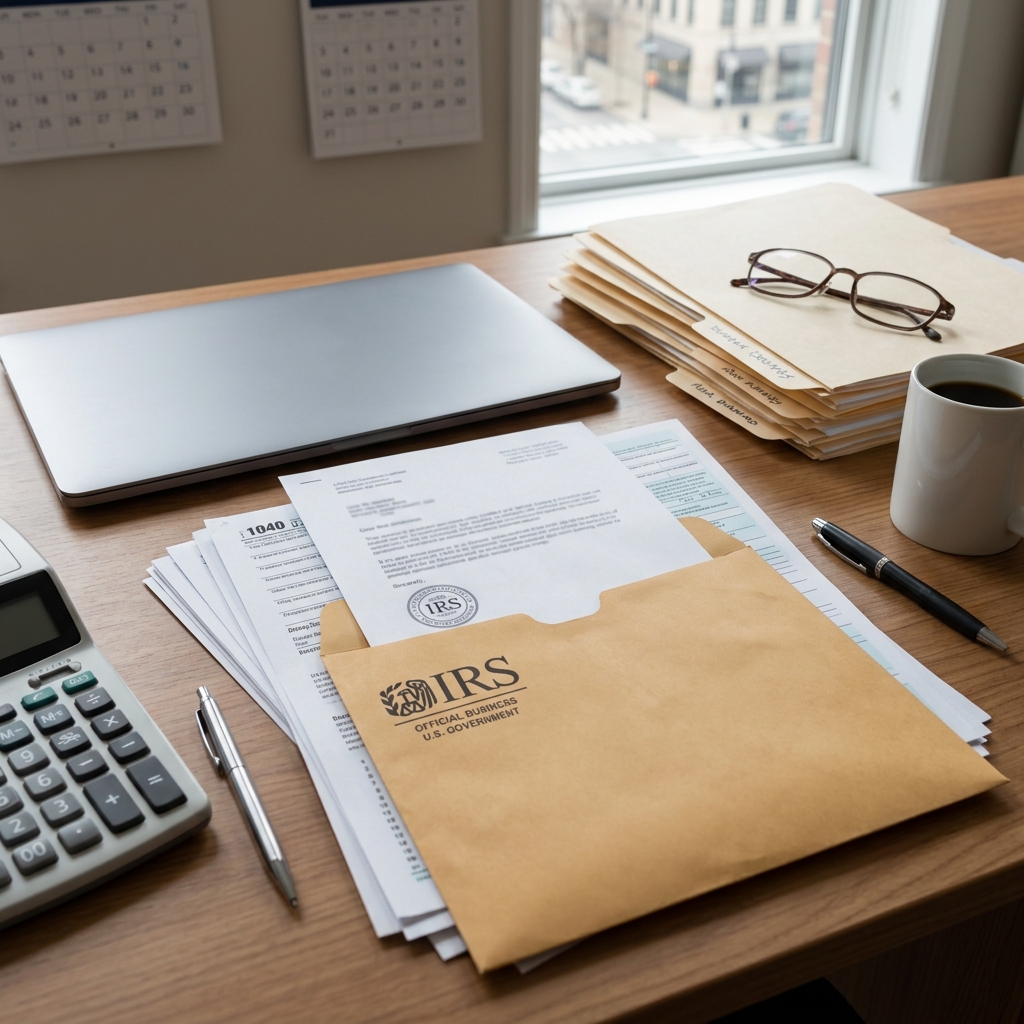
Submitting your tax return can feel like the end of the process, but for the Internal Revenue Service (IRS), it is only the beginning. Once your return is filed, it moves through a series of checks, verifications, and potential follow-up actions that determine whether you receive a refund, owe more tax, or need to correct errors. Understanding these steps helps you avoid surprises, respond quickly if the IRS contacts you, and keep your tax records in order.
1. From Filing to Acceptance: How Your Return Enters the System
The first major step after filing is the IRS’s acknowledgement that it has received your return. This happens differently depending on whether you file electronically or by mail.
1.1 Electronic filing vs. paper filing
When you e-file, your return is transmitted directly to the IRS’s systems and generally enters the processing queue quickly. The IRS notes that electronically filed Form 1040 returns are typically processed within about 21 days in normal conditions. If you file a paper return, the envelope must be delivered, opened, and manually converted into an electronic record before any processing begins, which takes significantly longer.
- E-filed returns: Usually move into active processing within 24–72 hours.
- Paper returns: Can take four weeks or more just to be processed into the IRS system.
Regardless of the method, once the IRS receives your return, it records the filing and begins automated checks to ensure basic accuracy.
1.2 What “accepted” really means
The term accepted is commonly used by tax software and preparers to indicate that the IRS has successfully received your return and that it passed initial validation checks. At this stage:
- Your Social Security numbers and identifying information match IRS records.
- The return format is valid (no missing required data fields).
- The return is ready to move on to more detailed review.
Acceptance does not mean your refund is approved or that the IRS agrees with every figure on the return. It simply confirms that the IRS has your return and has started the processing phase.
2. Inside IRS Processing: Matching, Verifying, and Calculating
After acceptance, your return goes through a series of automated and sometimes manual steps. The IRS uses sophisticated systems to verify income, check for common errors, and determine your final balance due or refund amount.
2.1 Matching your income and data
Employers, banks, brokers, and other payers file informational forms directly with the IRS (such as Forms W-2 and 1099). These forms report income and withholding associated with your Social Security number or taxpayer identification number. The IRS compares these records to the income reported on your return.
- If the income reported on your return matches IRS records, your return typically continues without issue.
- If income appears missing or significantly different, the return may be flagged for follow-up or an adjustment.
This matching process helps the IRS identify underreported income and ensure that credits or deductions correspond to eligible taxpayers.
2.2 Arithmetic and rule-based error checking
Next, the IRS runs automated checks to verify that the tax calculations, credits, and deductions conform to law and to the instructions for your tax forms.
- Basic math checks (for example, whether line totals add up correctly).
- Verification that required schedules and forms are present for claimed credits or deductions.
- Review of filing status, dependents, and key eligibility criteria.
Many errors are corrected automatically. If the IRS can adjust your return with clear rules (such as fixing a simple arithmetic mistake), it may do so and then notify you of the change instead of asking for a completely new return.
2.3 Determining whether you owe or get a refund
Once income, withholding, and credits are verified, the IRS determines whether you have a balance due or an overpayment.
| Outcome | What It Means | Common Next Steps |
|---|---|---|
| Refund | You paid more than your final tax liability. | IRS schedules payment via direct deposit or check. |
| Balance due | Your final tax liability is higher than what was paid or withheld. | IRS sends a bill detailing the amount due and payment options. |
| No change | Your payments exactly match your liability. | No refund or bill; you simply remain compliant for the tax year. |
If you are due a refund, the timing largely depends on how you filed and how you chose to receive payment.
3. Refund Timelines and How to Track Your Money
Refunds are one of the most closely watched milestones of tax season. The IRS indicates that most electronically filed individual returns are processed and refunded within about three weeks under normal conditions.
3.1 Typical refund timing
- Electronic filing with direct deposit: Most refunds are issued in less than 21 days.
- Electronic filing with paper check: Allow additional time for printing and mailing.
- Paper filing: It can take four weeks or more for the IRS just to process the return, and six to eight weeks or longer to receive a refund.
The Consumer Financial Protection Bureau notes that electronic filing combined with direct deposit is the fastest way to get your refund, and that the IRS issues more than nine out of ten refunds in under 21 days in typical seasons.
3.2 Using IRS tools to check your refund status
After your return is accepted, you can track your refund using official IRS tools.
- “Where’s My Refund?” online tool: Available on the IRS website, updated no more than once per day.
- IRS2Go mobile app: Offers similar refund status information in a mobile format.
- IRS Refund Hotline: Automated phone system for current-year refund status.
To use these tools you typically need:
- Your Social Security number or individual taxpayer identification number (ITIN).
- Your filing status (such as single, married filing jointly, head of household).
- The exact refund amount shown on your tax return.
If you chose direct deposit, banks often make funds available within a few days after they receive the payment from the IRS, though this can vary by institution.
4. If You Owe More Tax: Notices and Payment Options
Sometimes IRS processing reveals that you underpaid your tax or overlooked income or withholding. In that case, the IRS sends you a notice explaining the difference and stating the additional amount due.
4.1 Understanding IRS balance-due notices
Balance-due notices typically include:
- The tax year involved.
- Your originally reported figures.
- The IRS’s corrected figures and explanation of changes.
- The total amount due including tax, penalties, and interest as applicable.
Read these notices carefully. Some are informational and do not require a response, while others have deadlines for payment or for contesting the changes.
4.2 Paying what you owe
If you agree that you owe additional tax, you can pay using various methods, including electronic payments, by check, or through approved payment plans. While this article does not cover payment logistics in detail, paying promptly can reduce additional interest and penalties.
5. Common Problems Detected After Filing
Not every return flows smoothly through the IRS system. Many issues are relatively minor and can be fixed with a simple adjustment or an amended return.
5.1 Minor discrepancies and IRS corrections
When the IRS identifies small mistakes—like arithmetic errors or minor omissions—it may correct the return administratively instead of requiring you to file an amended return.
- The IRS adjusts the affected line items.
- Your refund or balance due is recalculated.
- You receive a notice explaining the correction.
If you disagree with an IRS correction, the notice usually explains how to contact the agency or respond by mail.
5.2 Missing forms or unreported income
More serious issues arise if required forms are missing or if third-party records show that you have unreported income. Examples include:
- W-2s or 1099s not included in your original filing.
- Income reported to the IRS that does not appear on your return.
- Claims for credits or deductions that lack supporting documentation.
In these cases, the IRS may send a notice proposing changes to your tax or requesting additional information. You might need to file an amended return or provide supporting documents.
6. Fixing Mistakes: Amended Returns and When to Use Them
Realizing you made an error after filing—such as leaving out a form or misreporting income—does not necessarily mean you are in trouble. The IRS provides a formal way to correct your own return through an amended filing.
6.1 When you should consider amending
You generally use Form 1040-X to correct:
- Income amounts that were incorrect or incomplete.
- Filing status or dependents that were misreported.
- Credits or deductions you failed to claim or claimed incorrectly.
Tax preparation sources often recommend waiting until your original refund is processed before filing an amended return, because the IRS may correct some simple errors without additional paperwork.
6.2 Key steps for amending a return
- Obtain a copy of your original return so you can clearly see which figures need to change.
- Prepare Form 1040-X with corrected amounts and clear explanations.
- Check whether your state return also needs amendment if the changes affect state taxable income.
Amended returns can take longer to process than original returns. You should keep documentation supporting any changes in case the IRS requests more information.
7. Keeping Records and Updating Your Information
Good record-keeping and up-to-date contact information make post-filing issues easier to manage. The IRS and other tax authorities rely on the information you provide to send refunds, notices, and other important communications.
7.1 How long to keep your tax records
Tax guidance from reputable sources suggests keeping copies of filed returns and supporting documents for at least three years from the date you filed. Many taxpayers choose to keep them longer, especially if they claim complex deductions, have business income, or anticipate potential audits.
- Store digital or paper copies in a secure location.
- Keep year-by-year folders that include your return, W-2s, 1099s, and major receipts.
7.2 Changing your address after filing
If you move after filing, you should update your address with the IRS so that any checks or notices reach you. The IRS provides a specific form for this purpose.
- Submit the applicable change-of-address form to the IRS.
- Update your address with the U.S. Postal Service so mail can be forwarded.
Keeping contact information current helps avoid delayed refunds and ensures you receive time-sensitive notices.
8. Frequently Asked Questions About Life After Filing
8.1 How long should I wait before worrying about my refund?
If you filed electronically and chose direct deposit, it is generally reasonable to wait at least 21 days before becoming concerned, as most refunds are issued within that period. For paper returns, it may take at least four weeks before your return is processed and significantly longer for refunds.
8.2 What if the IRS tool says my refund is still being processed?
The IRS “Where’s My Refund?” tool updates once per day and may show your refund as still being processed even if you are within the normal timeframe. If the tool continues to show no progress after the typical processing window, you may consider contacting the IRS or reviewing your return for possible issues.
8.3 Should I amend my return if I spot a small error?
For simple arithmetic errors, the IRS often makes corrections automatically. If the error involves omitted income, incorrect filing status, or substantial changes in credits or deductions, filing Form 1040-X to amend your return is usually appropriate.
8.4 Can the IRS change my refund amount without my permission?
Yes. If the IRS identifies errors or mismatches and corrects them under its authority, it may adjust your refund or balance due and send you a notice explaining the change. You have the right to review the notice and dispute the adjustment if you believe it is incorrect.
8.5 What happens if I ignore an IRS notice?
Ignoring an IRS notice can lead to escalating consequences, such as additional penalties, interest, or enforced collection for unpaid tax. Notices often contain deadlines for responding, paying, or providing information, so reading and acting on them promptly is important.
9. Practical Tips to Make Post-Filing Smoother
Although you cannot completely control what happens at the IRS after filing, you can reduce the likelihood of problems and delays.
- File electronically if possible, to speed up acceptance and processing.
- Choose direct deposit for faster and more secure refunds.
- Review your return carefully for completeness and accuracy before submitting.
- Retain copies of all documents used to prepare your return.
- Check your refund status using official IRS tools rather than informal estimates.
By understanding the IRS’s post-filing process and taking a few preventive steps, you can navigate tax season with greater confidence and fewer surprises.
References
- Processing status for tax forms — Internal Revenue Service. 2024-01-29. https://www.irs.gov/help/processing-status-for-tax-forms
- How to file your federal income tax return — USAGov. 2024-02-15. https://www.usa.gov/file-taxes
- Guide to filing your taxes — Consumer Financial Protection Bureau. 2024-02-01. https://www.consumerfinance.gov/consumer-tools/guide-to-filing-your-taxes/
- After Filing a Tax Return – Next Steps — TaxAct. 2023-01-10. https://www.taxact.com/support/946/after-filing-a-tax-return-next-steps
- Here’s What Happens at the IRS After You File Your Taxes — U.S. News & World Report. 2023-03-15. https://money.usnews.com/money/personal-finance/taxes/articles/what-happens-at-the-irs-after-filing-taxes
Similar Articles








Read full bio of medha deb




