Adverse Possession Claims in Maryland: Eligibility Rules
Unlocking property ownership through adverse possession in Maryland: detailed eligibility, requirements, and legal pathways explained.
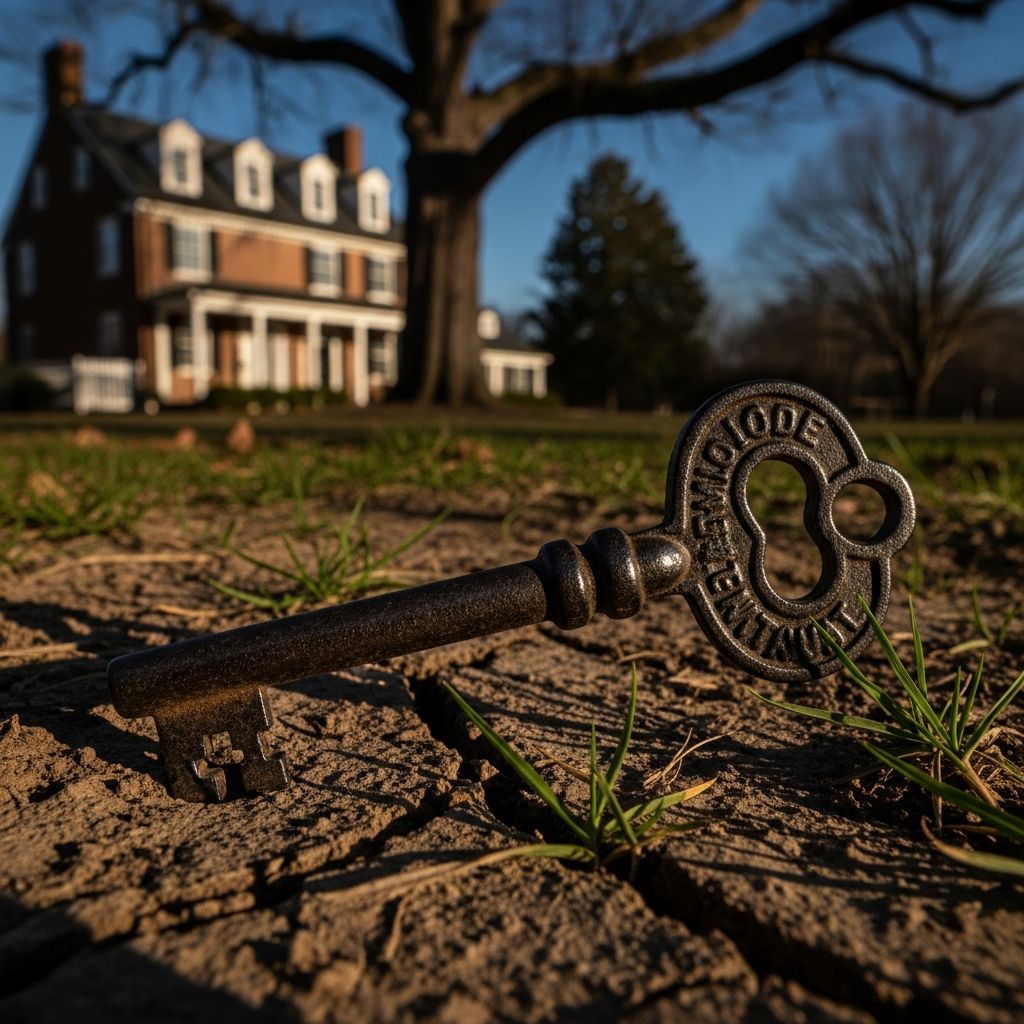
Adverse possession enables individuals to gain legal title to land by occupying it under specific conditions for a defined period, primarily governed by Maryland Courts and Judicial Proceedings Code Section 5-103, which sets a 20-year timeline.
Core Principles of Property Acquisition via Occupation
The doctrine of adverse possession balances property rights by rewarding diligent, long-term use while protecting absentee owners from indefinite claims. In Maryland, claimants must demonstrate possession that is actual, visible to others, excluding the true owner, without permission, and unbroken for two decades. This framework discourages neglectful landholding and resolves boundary ambiguities.
Unlike permissive arrangements such as leases, adverse claims thrive on non-consensual entry, often arising from neighbor disputes over fences, driveways, or overgrown lots. Courts evaluate evidence like maintenance records, witness testimonies, and aerial photos to affirm these elements.
Who Qualifies as a Potential Claimant?
Nearly anyone physically capable of occupying land can pursue an adverse possession claim in Maryland, including neighbors, former tenants, or even strangers, provided they meet the rigorous standards. No formal deed or title is prerequisite; even mistaken boundary beliefs suffice if possession aligns with requirements.
- Neighbors in Boundary Conflicts: Common scenarios involve encroachments like sheds or gardens extending onto adjacent parcels.
- Sequential Occupiers: Through ‘tacking,’ successive possessors can combine periods if privity exists, such as via sale or inheritance.
- Good-Faith vs. Intentional Trespassers: Maryland law imposes no ‘knowing’ trespass mandate; innocent errors qualify equally.
Government entities rarely succeed as claimants due to sovereign immunity, but private individuals face no such bar. Corporations or trusts may claim if structured to show personal possession.
Detailed Breakdown of Required Possession Elements
Success hinges on proving five interconnected criteria throughout the 20-year span. Failure in any dooms the claim.
Actual Possession: Tangible Use of the Land
Claimants must physically utilize the property as an owner would, through activities like farming, building, or landscaping, tailored to the land’s nature. Urban lots demand fencing or paving; rural areas suffice with grazing or logging.
In Bay City Property Owners v. County Commissioners of Queen Anne’s County (2024), fence construction and boat ramp repairs evidenced actual control.
Open and Notorious: Visibility to Put Owners on Notice
Occupation must be conspicuous, alerting the record owner via obvious alterations. Hidden or subtle use fails this test. Courts in Carpenter v. Jenkins stressed conspicuous acts providing constructive notice.
Exclusive Possession: Sole Dominion Without Sharing
The claimant treats the land as their own, barring public access or owner interference. Occasional owner visits do not necessarily interrupt if possession remains dominant.
Hostile Possession: Non-Permissive Entry
‘Hostile’ denotes use adverse to owner rights, sans permission. No malice required; Blickenstaff v. Bromley (1966) clarified this as non-consensual occupation. Verbal permission or licenses nullify hostility.
Continuous Possession: Uninterrupted for 20 Years
Use must persist without significant breaks, matching seasonal norms. Brief absences for repairs are tolerable, but abandonment resets the clock. Tacking permits prior possessors’ time under chain-of-title continuity.
Statutory Period and Exceptions
Maryland’s baseline is 20 years, but color of title—possession under a defective deed—paired with tax payments can shorten it to 10 years per Md. Code Ann., Cts. & Jud. Proc. § 5-103.
| Scenario | Duration | Additional Requirements |
|---|---|---|
| Standard Claim | 20 Years | All five elements |
| With Color of Title | 10 Years | Tax payments |
| Post-Tax Sale | 7 Years | Adverse holding after ratification |
These variations incentivize tax compliance and formal title attempts.
Burden of Proof and Courtroom Strategies
The claimant bears the proof burden, typically by clear and convincing evidence in quiet title actions. Strategies include affidavits, photos, surveys, and expert witnesses on land use.
Defendants counter with permission proofs or interruptions. Recent rulings like Riley v. Venice Beach Citizens Association (2024) affirm landscaping as open/notorious.
Practical Implications for Property Owners
Owners should monitor boundaries via surveys, fences, and periodic inspections. Leases or notices preserve rights against unwitting claims. Upon discovering occupation, prompt eviction via unlawful detainer halts the clock.
Recent Judicial Insights Shaping Claims
Maryland courts refine elements through precedent:
- Bay City (2024): Uniform treatment of disputed and owned land bolsters actual possession.
- Riley (2024): Maintenance over 20 years satisfies openness.
- Blickenstaff (1966): Enduring hostility definition.
These emphasize fact-specific inquiries over rigid formulas.
Frequently Asked Questions
Can short-term renters claim adverse possession?
No, permissive tenancy precludes hostility; clock starts post-expiration without permission.
Does paying taxes alone grant title?
No, taxes aid color-of-title claims but all elements remain mandatory.
What if the owner dies during the period?
Inheritance does not interrupt; heirs inherit the defense.
Can adverse possession apply to apartments?
Rarely, as units lack exclusive land control; focuses on real property parcels.
How to quiet title after possession?
File suit proving elements; court decree vests marketable title.
Navigating Claims: Professional Guidance Essential
Given factual intricacies, claimants and defenders benefit from real estate attorneys. Early surveys prevent disputes; litigation resolves entrenched conflicts. Maryland’s evolving case law demands current expertise.
References
- Adverse Possession Attorney — Penn Law Firm LLC. 2024. https://pennlawfirmllc.com/realestatelaw/adverse-possession-attorney/
- Understanding Maryland’s Adverse Possession Requirements — LVG Law Firm. 2024. https://www.lvglawfirm.com/understanding-marylands-adverse-possession-requirements/
- Maryland Squatters’ Rights & Adverse Possession Laws – 2025 — Hemlane. 2025. https://www.hemlane.com/resources/maryland-squatters-rights/
- Adverse Possession in Maryland | Carpenter v. Jenkins — Maryland Lawyer Blog. 2024. https://www.marylandlawyerblog.com/adverse-possession-maryland/
- Who Can Claim Property Based on Adverse Possession in Maryland? — Nolo. 2024. https://www.nolo.com/legal-encyclopedia/who-can-claim-property-based-adverse-possession-maryland.html
- Adverse Possession Laws: 50-State Survey — Justia. 2024. https://www.justia.com/real-estate/home-ownership/owning-a-home/adverse-possession-laws-50-state-survey/
Similar Articles








Read full bio of medha deb