
2026 World Cup Ticket Scams: A Practical Legal and Safety Guide
Learn how to safely buy 2026 World Cup tickets, avoid common scams, and understand your legal options if you’ve already paid a fraudulent seller.
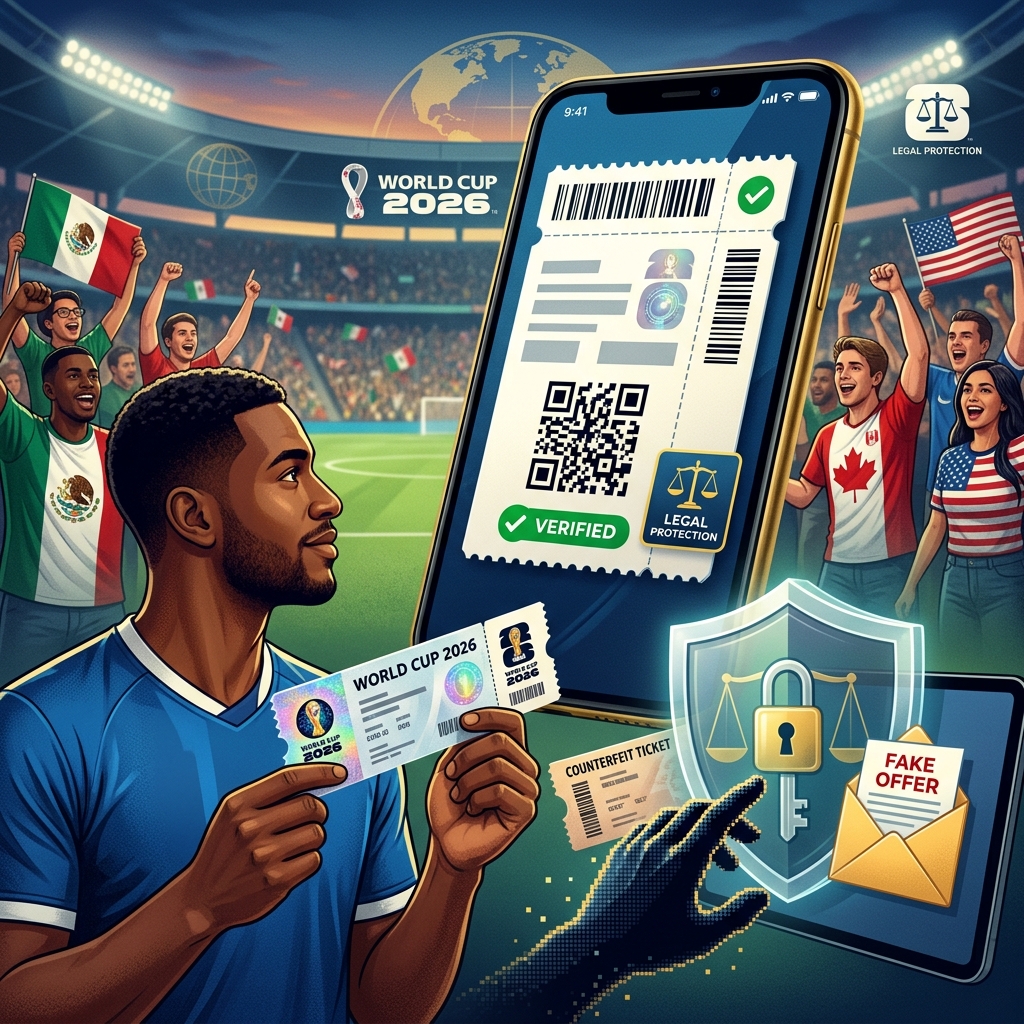
The 2026 FIFA World Cup is expected to be one of the biggest sporting events ever held in North America, and that level of excitement makes fans an attractive target for scammers. Criminals know that many people are desperate for tickets, accommodation, and streaming access, and they use this urgency to push fake offers, imitation websites, and high‑pressure sales tactics.
This guide explains how 2026 World Cup ticket scams work, where the biggest risks lie, how to buy tickets safely, and what you can do legally and practically if you have already paid a fraudster. It is inspired by legal consumer‑protection analysis but written in plain language for everyday fans.
Understanding the 2026 Ticket Landscape
Before looking at scams, it helps to understand how legitimate tickets for the 2026 tournament are supposed to work. FIFA manages official ticketing through its own digital systems, and tickets are generally delivered electronically, not as paper passes. This structure influences both how legitimate sales occur and how scams are designed to mimic them.
| Aspect | Legitimate Process | Typical Scam Variation |
|---|---|---|
| Primary ticket sales | Through FIFA website or official FIFA app with digital tickets. | Fake websites using similar branding or URLs to FIFA.com. |
| Resale or exchange | Official resale channels or reputable platforms with clear guarantees. | Social media offers, messaging apps, or new platforms with no track record. |
| Ticket format | Digital‑only, typically accessed through the FIFA app. | Paper tickets, PDFs, screenshots, QR codes sent via email or messaging. |
Recognizing the normal process is the first step in spotting when something looks out of place.
Common 2026 World Cup Ticket Scam Tactics
Scammers tend to reuse patterns that have worked in past global events. For the 2026 World Cup, law‑enforcement and consumer‑protection agencies already warn about several recurring approaches.
1. Copycat Websites and Fake Ticket Portals
One of the most dangerous scams involves websites designed to closely resemble official FIFA or partner pages. These sites often use:
- Branding, logos, and layouts that look almost identical to official pages.
- Website addresses that differ by a single letter or include extra words, like “fifaworldcup‑tickets.com.”
- Sponsored search ads or social media promotions to appear at the top of search results.
Once a fan lands on the page, scammers may capture payment details, personal data, or both. Some fake portals sell counterfeit tickets, while others never deliver anything at all.
2. Social Media and Messaging App Offers
Social platforms and messaging apps are heavily used to promote unofficial ticket offers. Federal consumer agencies report that fraudsters leverage social posts and ads to push people toward scam sites or direct sales.
- Posts promising “last‑minute tickets” at discount prices for high‑demand matches.
- Messages claiming tickets are held for a short time and will be released if you don’t pay immediately.
- Group chats and fan forums where one user suddenly appears with a large number of tickets supposedly obtained through connections.
Many of these scams rely on urgency and fear of missing out to override normal caution.
3. Fraudulent Resale and Duplicate Seat Sales
Even when a platform appears legitimate, some sellers exploit it to sell invalid or duplicate tickets. Authorities warn that scammers may sell the same seat to multiple buyers or list tickets they do not actually own.
Red flags include:
- No clear policy on refunds, buyer protection, or what happens if tickets are rejected at the gate.
- Sellers insisting on payment methods that are hard to reverse, such as wire transfers or gift cards.
- Offers that do not match FIFA’s digital‑only ticket format.
4. Fake Customer Support and Payment Problems
Some scams revolve around impersonating official ticket customer support. Criminals may call, email, or text fans claiming there is a problem with a ticket payment and urging them to resolve it via a link or phone number.
- Messages stating that your ticket request will be cancelled unless you “confirm payment” within hours.
- Links leading to login pages that mimic FIFA’s site but steal your credentials.
- Requests for additional fees or “verification payments” supposedly required to finalize your order.
Official ticketing authorities emphasize that legitimate notices come through established channels, such as account dashboards and verified emails, not random texts or calls.
Key Warning Signs: How to Recognize a Scam
Many scams rely on the same psychological triggers: urgency, scarcity, and trust in authority. Consumer‑protection organizations highlight several warning signs that should immediately prompt caution.
- Too‑good‑to‑be‑true pricing: Tickets for high‑profile matches offered at deep discounts or below face value.
- Pressure to act fast: Phrases like “lots of interest,” “must sell now,” or “offer expires in minutes” designed to limit your time to think.
- Unusual payment methods: Demands for wire transfers, cryptocurrency, prepaid cards, or transfers through unfamiliar apps rather than standard card payments.
- Paper tickets, PDFs, or screenshots: Since official tickets are digital‑only, any claim involving printed passes or simple image files is suspicious.
- Unsolicited contact: Messages, calls, or emails about ticket offers or payment issues that you did not initiate.
- Vague business details: No physical address, no corporate registration information, and unclear terms and conditions on the seller’s website.
If you encounter several of these signs in one situation, it is safer to walk away than to risk losing money and personal data.
Safe Ways to Buy 2026 World Cup Tickets
Authorities and security experts agree on several practical steps that can dramatically reduce your risk when buying tickets.
Use Official Sources Wherever Possible
The most reliable option is to purchase tickets directly through FIFA’s official channels and its app. When using a browser, enter the official address manually rather than clicking links from search results or ads.
- Type the known FIFA ticket URL into your browser instead of relying on sponsored search results.
- Check that the site uses secure HTTPS and that the domain name is spelled correctly.
- Access your tickets only through the official app or account dashboard.
Evaluate Third‑Party Resellers Carefully
In some cases, fans may turn to reputable resale platforms. Government consumer guidance recommends assessing such services based on their transparency and buyer protections.
Before buying:
- Review the platform’s policies on refunds and what happens if tickets are invalid.
- Confirm how tickets will be delivered and when you should expect them.
- Look for longstanding companies with a history of handling major events, rather than newly created sites.
Prefer Secure, Traceable Payment Methods
Security experts and law‑enforcement agencies recommend using payment options that provide some level of dispute protection.
- Credit cards often offer chargeback rights if goods are not delivered or are fraudulent.
- Bank cards with strong authentication, including SMS codes or banking apps, make unauthorized transactions harder.
- Avoid sending money through wire transfers, gift cards, or cryptocurrency since these are much harder to reverse.
If You’ve Already Paid a Scammer: Immediate Steps
Many fans do not realize they have been scammed until tickets fail to appear or do not work at the stadium. Even if the money has been sent, there are still actions you can take to limit damage and possibly recover funds, depending on the circumstances.
1. Act Quickly With Your Bank or Card Issuer
If you paid with a card or through your bank, contact them immediately. Consumer‑protection guidance emphasizes that speed is critical when trying to reverse transactions or block further unauthorized use.
- Explain that you suspect fraud and provide details of the transaction.
- Ask about dispute or chargeback procedures, especially if no valid ticket has been delivered.
- Request monitoring or a temporary freeze if you shared extensive financial details.
Banks and card networks have their own rules on when a charge can be reversed; the earlier you report, the better your chances.
2. Report the Scam to Consumer Authorities
Reporting helps authorities track patterns of fraud and can support enforcement measures. U.S. guidance for the World Cup encourages fans to submit complaints through official reporting portals.
- In the United States, file a report with the federal consumer‑protection agency responsible for fraud alerts.
- If scams involve Canada or Mexico, relevant agencies such as the Canadian competition authority or Mexico’s consumer‑protection body can receive complaints.
- Provide copies of emails, screenshots of websites, and any transaction receipts to aid investigations.
Report even if the loss is small; multiple complaints about the same operation can help shut it down.
3. Secure Your Digital Accounts and Personal Data
Ticket scams often involve more than money. Fake login pages or phishing links may capture passwords and other sensitive information.
- Change passwords on any accounts used during the transaction, starting with email and financial services.
- Enable multi‑factor authentication where available to add an extra layer of protection.
- Monitor financial statements and consider a fraud alert if identity‑theft risk is high.
4. Consider Legal Advice for Significant Losses
If you have suffered a large financial loss or if the scam involves a complex cross‑border situation, it may be worth seeking legal assistance. Consumer‑protection attorneys can evaluate whether civil claims are viable against particular parties, especially organized resellers or platforms that failed to exercise reasonable care.
While not every scam lends itself to a successful lawsuit, professional advice can clarify your options, potential recovery avenues, and the evidence you should preserve.
Protecting Friends and Family: Spread the Word
Major events create shared risk: if scammers target one fan group, others are likely to see similar tactics. Consumer‑education organizations stress the value of discussing warning signs within your circle.
- Talk with relatives and friends about how legitimate tickets work and why paper passes are suspect.
- Share examples of scam messages or sites (without clicking links) so others know what to watch for.
- Encourage those less familiar with online purchases to ask for help before sending money.
Collective awareness can significantly reduce the reach of fraudulent operations.
World Cup‑Related Travel and Streaming Scams
Ticket fraud is only one part of the picture. International travel and digital streaming create additional opportunities for criminals, particularly when fans are planning complex trips or seeking free ways to watch matches.
Travel Documents and Visa Assistance Scams
Government agencies warn that scammers create websites mimicking official immigration or consular services, promising help with visas, passports, or other documentation for World Cup travel.
- Some charge high fees for services that are otherwise low‑cost or free.
- Others collect personal data without providing any real assistance.
To avoid these pitfalls, always consult official government websites for visa requirements and application procedures. Enter addresses directly, and be skeptical of intermediaries that guarantee special access or faster processing in exchange for large payments.
Unreliable Streaming and Piracy‑Linked Sites
Not all matches will be freely broadcast, encouraging some fans to search for unofficial streaming options. Major news organizations and digital‑safety experts caution that shady streaming sites can host malware, phishing pages, or subscription traps.
- Pop‑up ads leading to fake player downloads or browser extensions.
- Demands for payment information to watch “free” streams.
- Misleading trial offers that automatically convert into expensive subscriptions.
Use recognized broadcasters and official streaming partners to watch matches, even if that means paying a legitimate fee.
Frequently Asked Questions (FAQ)
How can I verify that a World Cup ticket website is legitimate?
Use known official addresses and navigate to them manually, rather than following links from emails, ads, or social posts. Check that the domain exactly matches the expected name, uses secure HTTPS, and appears on official lists of FIFA or partner sites. If in doubt, contact customer service through independently verified contact information.
Are paper tickets or PDFs ever valid for the 2026 World Cup?
Official guidance indicates that 2026 World Cup tickets are digital‑only, managed through FIFA’s ticketing channels and app. Any offer involving paper tickets, simple image files, or generic PDFs should be treated with caution, as these formats are widely associated with scams.
What should I do if I clicked a suspicious link in a ticket offer?
Immediately change passwords for any accounts that might be affected, especially email and financial services, and enable multi‑factor authentication. Monitor your bank and card statements for unauthorized transactions, and consider reporting the incident to relevant consumer‑protection authorities if you believe fraud has occurred.
Can I get my money back if I bought fake tickets through a resale site?
Recovery depends on the platform’s policies and your payment method. Some reputable resellers offer guarantees or refunds when tickets are invalid, and credit card chargeback rights may apply if the seller fails to deliver what was promised. Check the platform’s terms and contact your card issuer as soon as you suspect fraud.
Is it safe to buy tickets from individuals on social media?
Social media is frequently used by scammers to advertise fake tickets or link to fraudulent websites. While not every individual offer is deceptive, the risk is high, especially for high‑demand matches. Buying through official channels or trusted platforms with clear protections is significantly safer.
References
- World Cup 2026: how to avoid ticket scams and fake sites — Proton AG. 2024-06-12. https://proton.me/blog/world-cup-2026-scams-phishing
- GASA Mexico Shares Scam Prevention Tips During the 2026 FIFA World Cup — Global Anti-Scam Alliance. 2024-05-16. https://gasa.org/knowledge-base/blog/gasa-mexico-shares-scam-prevention-tips-during-the-2026-fifa-world-cup
- How to make your World Cup experience scam free — U.S. Federal Trade Commission. 2026-03-19. https://consumer.ftc.gov/consumer-alerts/2026/03/how-make-your-world-cup-experience-scam-free
- How to Avoid FIFA Ticket Scams Ahead of the 2026 Tournament — Transaction Network Services. 2024-07-01. https://tnsi.com/resource/com/world-cup-scams-how-to-avoid-fifa-ticket-scams-ahead-of-the-2026-tournament-blog/
- One Tech Tip: Watch out for scams when buying World Cup tickets — Associated Press. 2026-06-24. https://apnews.com/article/one-tech-tip-world-cup-ticket-scams-a967760ff3e9472845f3e639c56f85ec
Similar Articles








Read full bio of medha deb


