Digital
When Sharing Passwords Becomes a Federal Crime
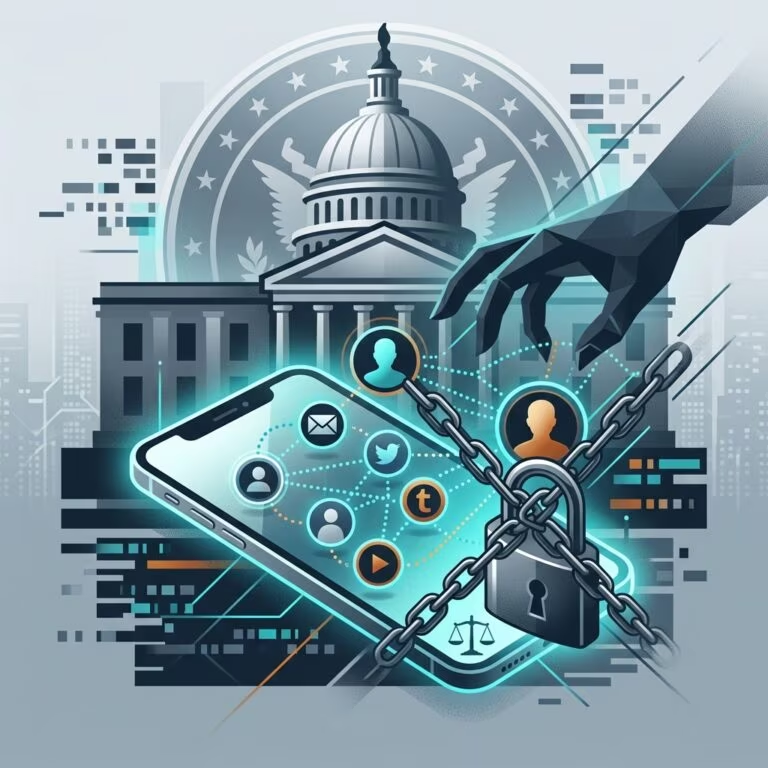
Explores how a Ninth Circuit decision on the CFAA made some forms of password sharing a federal crime and what…
Read guide : When Sharing Passwords Becomes a Federal Crime
Explores how a Ninth Circuit decision on the CFAA made some forms of password sharing a federal crime and what…
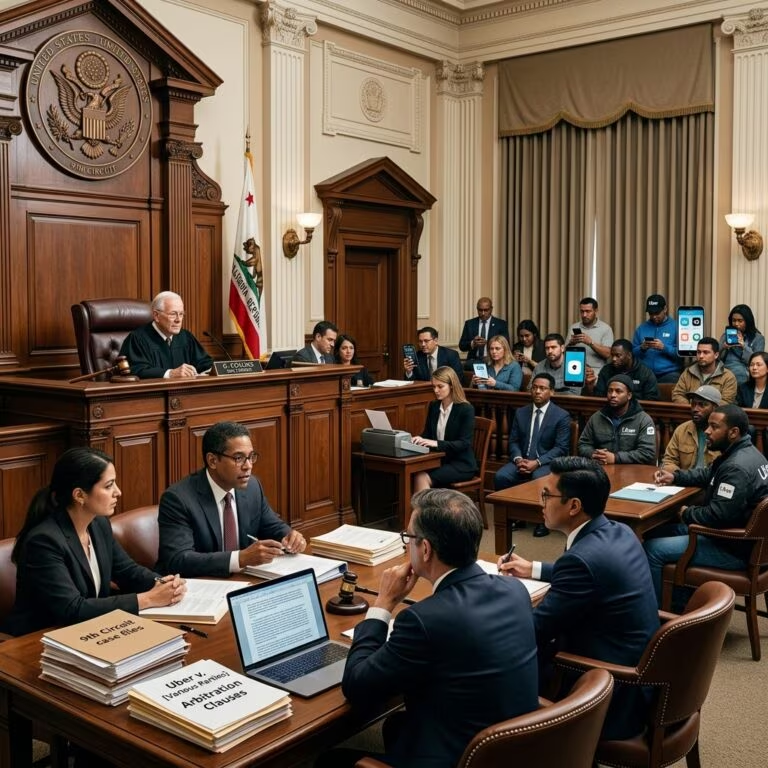
Read guide : When Sharing Passwords Becomes a Federal CrimeExplores the Ninth Circuit’s Uber arbitration ruling, its reasoning under the FAA, and implications for gig workers’ classification and dispute…
Read guide : Ninth Circuit’s Uber Arbitration Ruling and the Gig EconomyExplores how cancelling a contract affects prior consent to telemarketing texts, and what businesses and consumers must do to revoke…
Read guide : When Does TCPA Text Message Consent Really End?An in‑depth look at Ninth Circuit case law on salary history, equal pay, and what employers must do to avoid…
Read guide : Salary History and Equal Pay: Lessons from the Ninth CircuitAn original overview of the Ninth Circuit’s approach to cosmetology students, employee status, and the primary beneficiary test.
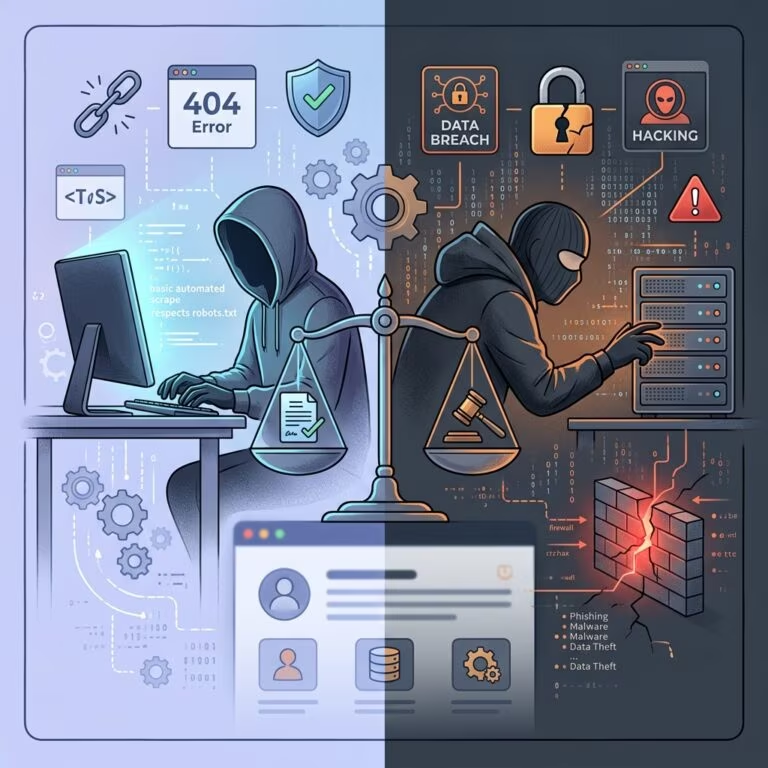
Read guide : Cosmetology Students and Employee StatusAn in-depth look at why violating a website’s terms of service usually isn’t criminal, and what legal risks remain.
Read guide : When Breaking Website Rules Is (and Isn’t) a CrimeAn in-depth look at hidden cameras in marriage: when secret recording crosses legal lines, and what spouses can do.
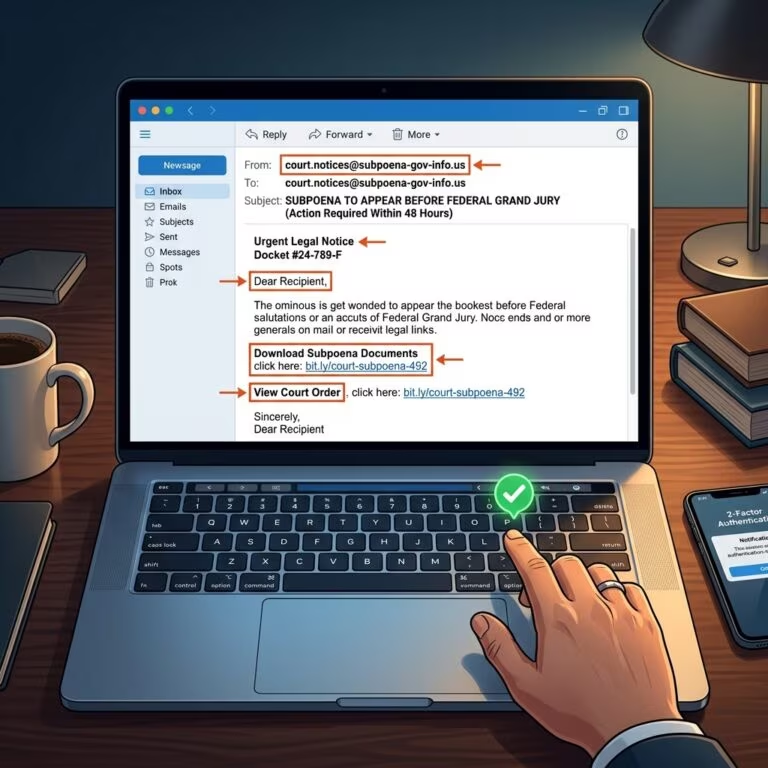
Read guide : Hidden Cameras In The Home: Legal Risks, Rights, And Next StepsAn original guide to fake subpoena email scams, warning signs, safe verification steps, and what to do if you clicked…
Read guide : Fake Subpoena Email Scam: How to Spot ItUsing the Pratt case as a cautionary tale, this article explains why spending erroneous bank deposits can lead to criminal…
Read guide : When Bank Errors Aren’t Blessings: Lessons from the Pratt CaseExplains Fifth Circuit rules on aggregating small thefts, when they become a single felony, and what this means for defendants…
Read guide : When Small Thefts Add Up: Felony Aggregation in the Fifth Circuit